
Beijing is one of those cities that immediately earns its reputation. From the moment you stand in the vast, wind-swept expanse of Tiananmen Square and look north through the Gate of Heavenly Peace, you feel the weight of 3,000 years of history. Yet turn around and you will find contemporary China in full swing: Michelin-starred restaurants, cutting-edge contemporary art galleries, and a nightlife scene that runs until 4am.
Most first-time visitors discover that three days barely scratches the surface. Five to seven days is a more realistic minimum.
Table of contents
Open Table of contents
Top Things to See and Do
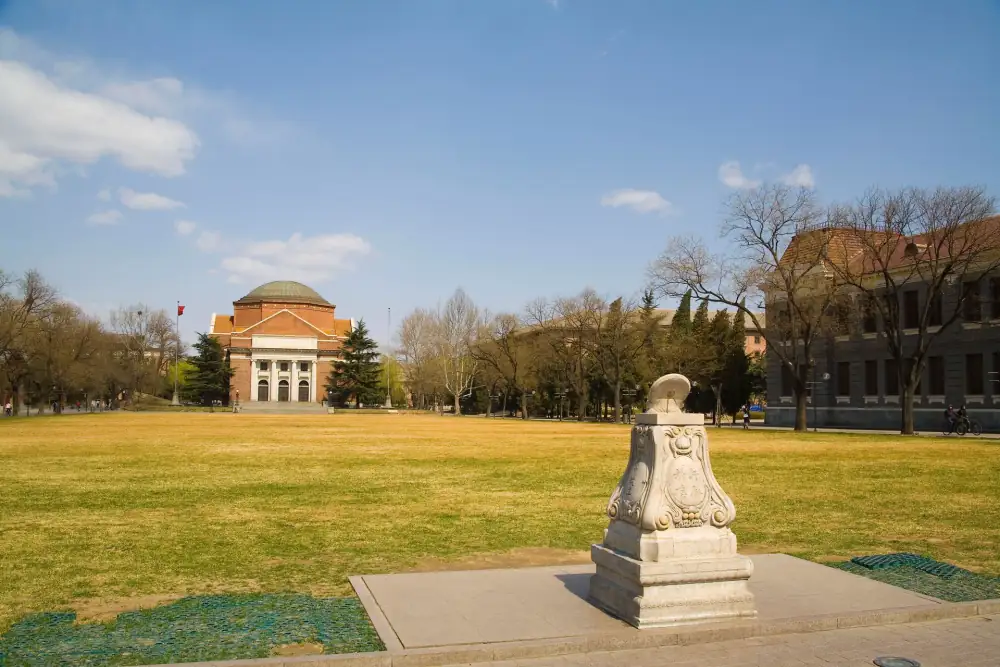
The Forbidden City (故宫)
The imperial palace complex at the heart of Beijing is one of the most astonishing buildings on earth. Home to 24 emperors over nearly 600 years, the Forbidden City contains over 9,000 rooms across a 72-hectare walled compound.
- Hours: 8:30am–5:00pm (last entry 4:00pm); closed Mondays
- Tickets: ¥60 in peak season, ¥40 in off-peak; book in advance online at dpm.org.cn — paper tickets are no longer sold at the gate
- Tip: arrive at 8:30am when it opens to beat the worst of the crowds; explore the less-visited western and eastern wings where most tourists don’t venture
- Allow: 3–4 hours minimum
The Great Wall
No trip to Beijing is complete without a day on the Wall. The question is: which section?
| Section | Distance from Beijing | Crowd Level | Condition |
|---|---|---|---|
| Mutianyu | ~90 min | Moderate | Restored; good for families |
| Jinshanling | ~2.5 hrs | Low | Partially restored; excellent hiking |
| Badaling | ~75 min | Very high | Fully restored; most accessible |
| Jiankou | ~90 min | Low | Unreconstructed; steep & wild |
Our recommendation for first-timers: Mutianyu. It has a cable car option for those who don’t want the steep climb, a long driveable section for hiking, and toboggan rides on the way down. Less crowded than Badaling.
Getting there: Book a tour from your hotel, or take a public bus from Dongzhimen Transport Hub (line H6 for Mutianyu, line 880 for Badaling).
The Temple of Heaven (天坛)
Built in the 15th century as a site for emperors to pray for good harvests, the Temple of Heaven complex is as much a living park as a historical monument. Arrive early morning to see Beijingers doing tai chi, flying kites, playing cards, and singing opera under ancient cypress trees.
- Hours: 6:00am–10:00pm (park); 8:00am–5:30pm (temple buildings)
- Tickets: ¥10 (park only) or ¥30–¥35 (park + all buildings)
- Allow: 2–3 hours
The Summer Palace (颐和园)
A sprawling imperial garden on the northwestern edge of the city, centred on Kunming Lake and Longevity Hill. Wander the Long Corridor, hire a rowing boat, or climb to the Temple of Buddhist Virtue for city views.
- Hours: 6:30am–8:00pm (park); buildings close earlier
- Tickets: ¥30–¥60 depending on season
- How to get there: Metro Line 4 to Xiyuan or Beigongmen
Beijing’s Hutong Neighbourhoods
The grey-tiled alley networks that once covered the whole city are now concentrated in pockets near the Drum Tower, Nanluoguxiang, and the Shichahai lakes. These hutongs contain courtyard homes (四合院), hole-in-the-wall restaurants, independent coffee shops, and a pace of life entirely different from the boulevards.
- Nanluoguxiang is touristy but lively; visit in the morning before the crowds.
- Wudaoying Hutong (near the Lama Temple) has excellent independent cafés and boutiques.
- Rickshaw tours are available from many hutong guesthouses if you want a guided introduction.
Where to Eat
Beijing’s food scene goes far beyond Peking Duck (though you must eat it at least once).
Peking Duck (北京烤鸭)
The canonical dish, dating back to imperial kitchens. Thin slices of roasted duck skin, carved tableside, wrapped in thin pancakes with spring onion and hoisin sauce.
- Quanjude (全聚德): The most famous name, with multiple branches. Touristy but reliable. Expect to pay ¥200–¥300/person.
- Dadong (大董): Leaner duck, less fat under the skin, more refined presentation. Book ahead.
- Duck de Chine (全鸭季): Modern setting near Sanlitun; popular with expats.
Local Breakfast
- Jianbing (煎饼): A folded savoury crêpe stuffed with egg, crispy wonton skin, spring onion, and chilli. Found at street carts every morning (¥8–¥15).
- Doujiang (豆浆): Warm soy milk, paired with fried dough sticks (油条).
Lamb Hotpot
Beijing’s distinctive hotpot style uses a distinctive copper charcoal pot. Thin slices of lamb are swirled through a light broth and dipped in sesame paste. Donglaishun (东来顺) is the heritage restaurant for this dish.
Getting Around Beijing
Beijing’s metro (地铁) is fast, cheap, and covers virtually every tourist site. Fares start at ¥3. Download the Amap app for real-time metro directions.
For surface-level sightseeing, DiDi (ride-hailing) is excellent. Taxis are also plentiful and use meters.
Cycling is a great way to explore the hutongs — dockless bikes from Meituan Bike and Hello Bike are parked everywhere; unlock with Alipay or WeChat Pay.
Practical Information
| Detail | Info |
|---|---|
| Best time to visit | Spring (Apr–May) or Autumn (Sep–Oct) |
| Weather | Hot, humid summers; very cold, dry winters; heavy smog possible Nov–Feb |
| Getting there | Beijing Capital Airport (PEK) or Daxing Airport (PKX); both connected to metro |
| Currency | Chinese yuan (RMB / ¥) |
| Language | Mandarin Chinese; English signage in tourist areas |
Last updated: May 2026