
There is a rhythm to Dali that is hard to explain until you have been there. The ancient walled town sits at 2,000 metres altitude on the shores of Erhai Lake, with the snow-capped Cangshan range rising to 4,000 metres immediately to the west. The sky is an implausible blue. The afternoon winds roll in off the lake with a smell of wild herbs and distant meadows. The streets of the old town are wide enough for two people to walk comfortably arm in arm, lined with Bai minority architecture — white-washed walls trimmed in grey and accented with painted courtyards.
Dali has been a favourite with Chinese bohemians, backpackers, and long-term travellers since the 1980s. It has grown but has not been ruined.
Table of contents
Open Table of contents
Dali Old Town (大理古城)
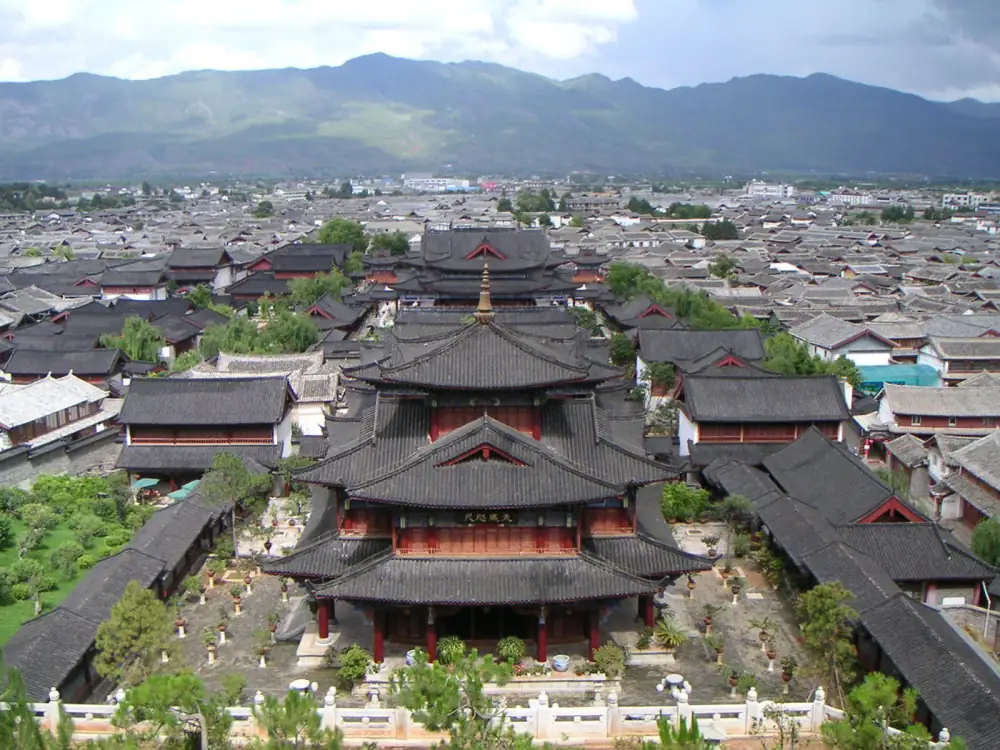
The old town is a compact grid of Ming and Qing dynasty streets enclosed by original city walls and four gate towers. It is almost entirely pedestrianised and fully walkable. The main tourist artery, Foreigners’ Street (洋人街), is lined with cafés, bars, and guesthouses — many run by expats who came for a week and never left.
What to do
- Wander aimlessly: The best approach. Duck into the side streets off the main drag and you will find marble carving workshops, Bai traditional medicine shops, and courtyard homes that haven’t changed in 200 years.
- Three Pagodas (崇圣寺三塔): The emblematic image of Dali — three Tang-dynasty pagodas standing before the Cangshan mountains, reflected in a pool. The park (¥75) is worth visiting at sunrise when the crowds haven’t arrived.
- San Ta Si Night Market: Behind the Three Pagodas, a local night market with excellent grilled meats, fresh tofu, and Yunnan crossing-the-bridge noodles.
- Tie-dye and marble: Dali is famous for two crafts — indigo tie-dye (扎染, zhā rǎn) produced in the Bai villages around town, and polished Dali marble with its distinctive cloudlike patterns. Both make excellent gifts.
Erhai Lake (洱海)

The 250km² freshwater lake east of the old town is perhaps Dali’s greatest asset. Crystal clear water (one of China’s cleanest large lakes), fringed by 16 traditional Bai villages and distant peaks.
How to explore it
- Circumnavigation by bicycle or scooter: The 120km lake circuit road can be done in a full day by e-scooter (rent near the old town for ~¥80/day) or two days by bicycle. Absolutely recommended.
- Boat tours: Wooden boats and traditional cruise ships operate from Caicun Dock (4km east of old town). A half-day circuit takes in Nanzhao Island and the Butterfly Spring. Tickets ¥90–¥180.
- Shuanglang Village (双廊): The most atmospheric village on the lake’s eastern shore — whitewashed Bai courtyard guesthouses lining a narrow peninsula, excellent sunrise light. An hour by DiDi from old town.
Cangshan Mountain (苍山)
The 4,122m peak directly west of Dali is accessible by cable car, providing stunning views of Erhai Lake and, on clear days, the entire valley.
- Zhonghe Cable Car: Departs from north of the old town. Takes you to ~2,600m altitude for forest walks along a ridge path (¥80 up, ¥60 down).
- Hiking: Well-marked trails link the cable car stations. The traverse from Zhonghe to Gangtong takes 3–4 hours through bamboo forest, with intermittent cloud views.
Bai Minority Culture
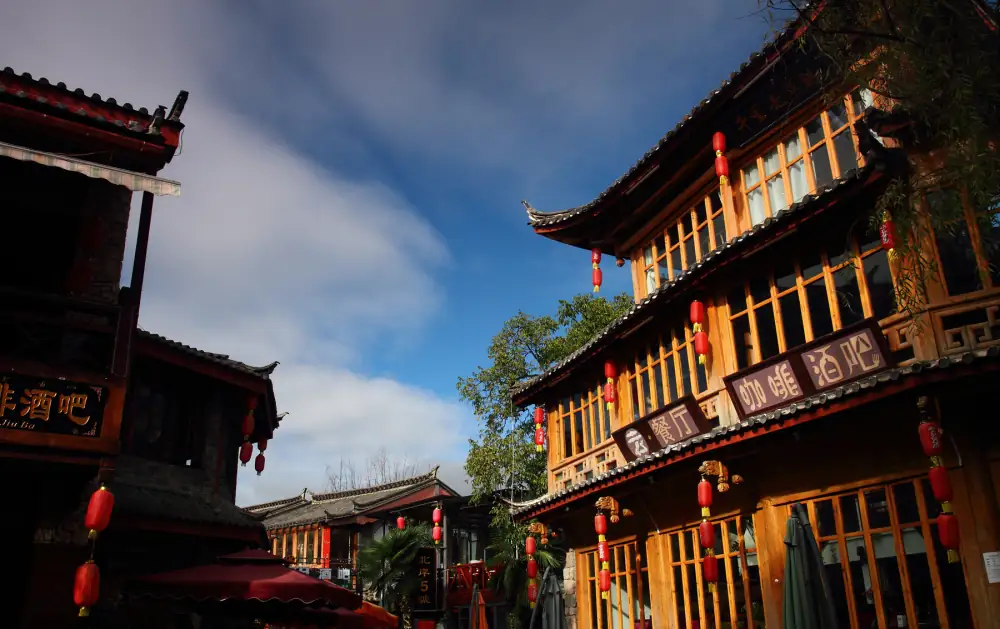
Dali is the heartland of the Bai (白族) people — one of China’s 56 recognised ethnic groups — who have inhabited the Erhai basin for over 3,000 years. Their distinctive architecture, clothing, language, and customs remain very much alive.
- San Bai (三白): A traditional Bai welcome — three cups of tea with progressively different flavours representing the three stages of life (bitter, sweet, and aftertaste).
- Bai embroidery: Intricate floral needlework on clothing and home textiles, sold in village markets.
- Xizhou Ancient Town (喜洲古镇): 18km north; the best-preserved Bai village, with grand compound houses and a weekly market. Often quieter than Dali Old Town.
Practical Information
| Detail | Info |
|---|---|
| Best time to visit | March–May and September–November; summers bring afternoon rain but remain pleasant |
| Getting to Dali | Fly to Dali Airport (DLU) — 13km from town; or high-speed rail to Dali Station (~30 min from old town by DiDi) |
| From Kunming | High-speed train: ~2.5 hrs; overnight sleeper train also available (~9 hrs) |
| From Lijiang | High-speed train: ~1.5 hrs (recommended to combine both in one trip) |
| How long to stay | 3–4 days minimum; many travellers stay weeks |
Where to stay
- Dali Old Town: the most atmospheric choice; dozens of courtyard guesthouses (¥150–¥500/night) and several boutique hotels.
- Shuanglang Village: for lake sunrises and a quieter vibe; you’ll need a DiDi to reach the old town.
Last updated: May 2026