
Standing on the Great Wall as the morning light creeps over the ridgeline and mist fills the valleys below, it becomes immediately clear why this is one of the world’s defining travel experiences. This is not merely a tourist attraction — it is an encounter with 2,000 years of human ambition, engineering, and history.
The wall stretches over 21,000 kilometres across northern China. For visitors based in Beijing, the closest and most accessible sections are within 75–120 km of the city. Here is everything you need to know to plan a genuinely excellent Great Wall visit.
Table of contents
Open Table of contents
Which Section Should You Visit?
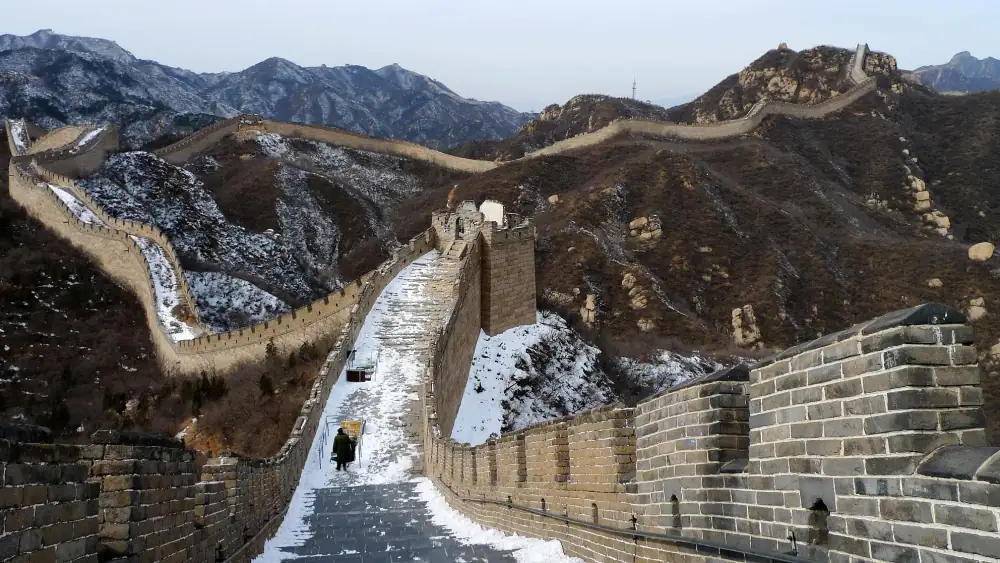
This is the single most important decision for your Great Wall day trip. Each section has a completely different character.
| Section | Distance from Beijing | Crowd Level | Highlights |
|---|---|---|---|
| Badaling (八达岭) | 75 km, ~1.5 hrs | Very high | Most iconic views; cable car; fully restored |
| Mutianyu (慕田峪) | 90 km, ~1.5 hrs | Moderate | Toboggan ride; forested; family-friendly |
| Jinshanling (金山岭) | 130 km, ~2.5 hrs | Low | Best hiking; wild scenery; photogenic |
| Jiankou (箭扣) | 90 km, ~2 hrs | Low | Unrestored; steep; for adventurers only |
| Simatai (司马台) | 120 km, ~2 hrs | Low-Medium | Night visits available; dramatic towers |
Badaling: The Classic Choice
Badaling is China’s most visited Great Wall section and for good reason. The views are magnificent — sweeping stone pathways climb steep ridgelines with watchtowers framing every horizon. It is the section you recognise from postcards and is genuinely breathtaking.
The northern tower section offers the most dramatic scenery and is somewhat less crowded than the southern route. Cable cars are available for those who prefer not to climb the steep stone steps.
The honest caveat: On summer weekends and national holidays, Badaling can feel overwhelmingly crowded. Arriving before 8:00 AM and visiting on a weekday transforms the experience entirely.
Local insight: The most popular tip circulating among Chinese travelers is to “not go without doing research — there are many pitfalls.” Specifically: book tickets well in advance (they can sell out), take the high-speed train rather than a tour bus, and start at the less-visited northern section.
Mutianyu: The Smart Alternative
Located 90 km from Beijing, Mutianyu has become the preferred choice for many experienced China travelers. The wall here follows a dramatic forested ridgeline with views in every direction, and the crowds are significantly smaller than Badaling.
The section is famous for its toboggan slide — a metal slide that descends the mountain from one of the towers. Children and adults alike love it. Combined with the cable car up, it makes for a comfortable and exhilarating visit.
Jinshanling to Simatai: The Hiker’s Choice
The 10 km hike along the wall between Jinshanling and Simatai is widely regarded as China’s best Great Wall hiking route. Partly restored, partly wild, the wall here snakes across dramatic mountain ridges with jaw-dropping scenery at every turn.
Allow 4–5 hours for the full hike. Simatai also offers the only night visit experience in the area (book in advance), where the illuminated wall reflected in the reservoir below creates an extraordinary atmosphere.
Getting to the Great Wall from Beijing
Option 1: High-Speed Train to Badaling (Recommended)
The Zhangzhajia intercity railway runs from Beijing North Station (北京北站) to Badaling Station in just 25 minutes. Cost: ¥7. Trains run frequently throughout the day.
From Badaling Station, it is a short walk or free shuttle to the ticket gate.
This is by far the fastest, cheapest, and most comfortable option. The train avoids Beijing’s notorious traffic entirely.
Option 2: Bus from Deshengmen
Bus 877 departs from Deshengmen Bus Station (德胜门站, near Andingmen metro) to Badaling. Journey time: approximately 90 minutes. Cost: ¥12 one way.
Buses run from around 7:00 AM and return until late afternoon. Check the last return bus time before you go.
Option 3: Guided Day Tour
Most Beijing hotels offer day tours to the Great Wall. Prices typically range from ¥200–¥350 including round-trip transport and entrance ticket, sometimes including lunch.
The advantage is door-to-door convenience. The disadvantage is fixed schedules and visiting in a group.
Option 4: Private Car / Didi
A private hire car from central Beijing to Badaling costs approximately ¥200–¥300 one way and takes 60–90 minutes depending on traffic. Useful for early morning departures when public transport is limited.
Tickets & Booking
Badaling Tickets
- Peak season (March–November): ¥40 per person
- Off-season (December–February): ¥35 per person
- Cable car (one way): ¥100 (up), ¥80 (down)
Critical: Tickets must be booked online in advance. During Chinese national holidays and popular weekends, Badaling sells out. Book at least a week ahead during peak season.
Book via:
- Official website: badaling.com.cn
- WeChat or Alipay mini-programs
- Major travel platforms (Ctrip, Trip.com, Klook)
Mutianyu Tickets
- Adult ticket: ¥65
- Cable car + toboggan combo: ¥140 (highly recommended)
What to Expect: Practical Tips
What to Wear
The Great Wall involves significant elevation changes on steep stone steps. Wear comfortable shoes with good grip — trainers are fine; dress shoes are not. The steps can be wet and slippery after rain.
Sun protection is essential: sunscreen, a hat, and sunglasses. There is minimal shade on the wall itself, and UV levels are high at altitude.
How Long to Allow
- Badaling: 2–4 hours for a thorough visit
- Mutianyu with cable car and toboggan: 3–4 hours
- Jinshanling to Simatai hike: 5–6 hours including transport stops
Best Time to Visit
Spring (April–May): The most pleasant weather for hiking. Trees are flowering and visibility is usually excellent.
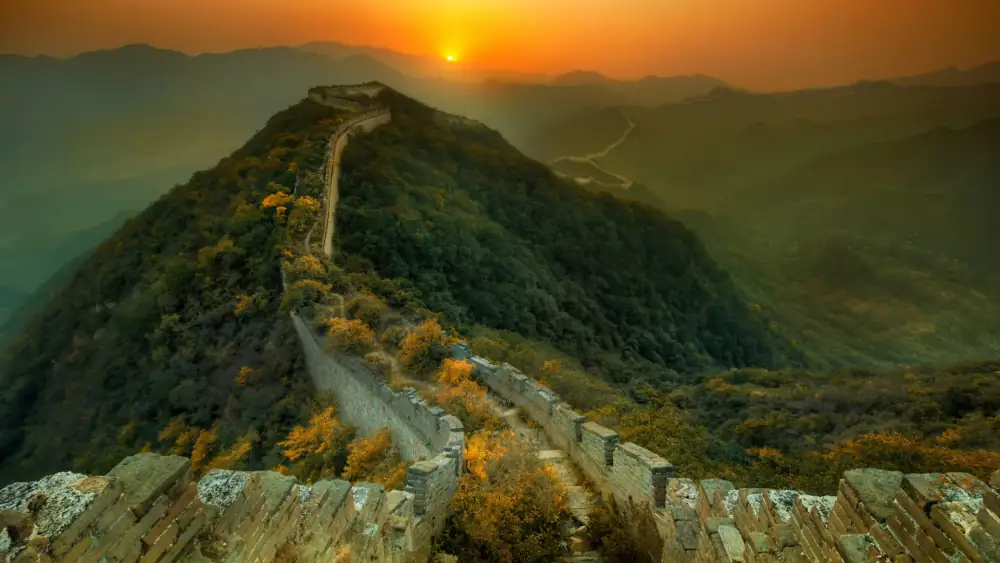
Autumn (October–early November): Clear blue skies and stunning foliage turning gold and red. Photography conditions are exceptional.
Winter: Cold but atmospheric. Snow-covered wall sections are extraordinarily beautiful and there are very few other visitors. Dress extremely warmly.
Avoid: The Golden Week holiday periods — early October (National Day) and late April/early May (Labour Day). Crowds reach extraordinary levels.
The “Good Han” Certificate
At Badaling, reaching Tower 8 on the northern section earns you the right to obtain a certificate declaring you a “好汉” (Good Han) — a Chinese expression meaning a strong, capable person. The tradition comes from the famous saying “不到长城非好汉” (He who has not climbed the Great Wall is not a true man), attributed to Mao Zedong.
The certificate is available at the tower and makes an excellent and culturally meaningful souvenir. Most Chinese visitors make it a point of pride to reach this tower.
Photography Tips
Golden Hour
Sunrise and the hour after is the best time for photography: low angle light illuminates the wall’s texture and towers beautifully, and shadows create depth across the ridgeline. The mist in the valleys below often persists until 9–10 AM in spring and autumn.
The Iconic Shot
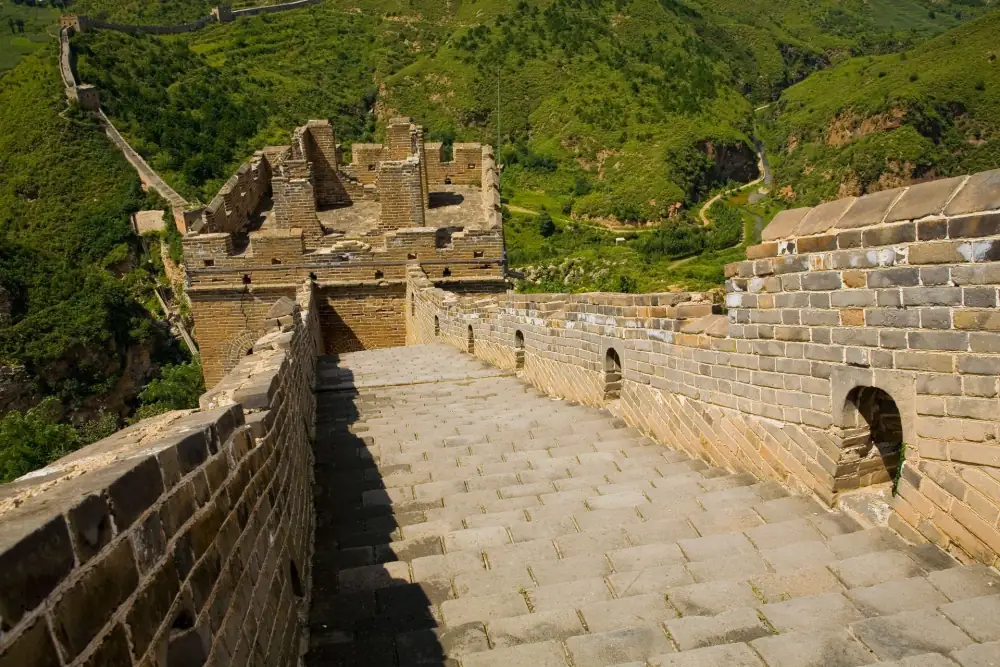
The classic Great Wall photograph — a section of wall curving over a dramatic ridgeline with watchtowers — requires positioning yourself on the wall itself and using the perspective of the stone pathway and crenellations as leading lines. Badaling’s northern section and Mutianyu both offer this composition.
Crowds in Photos
To photograph the wall without people in frame, either arrive at opening time (before 8:30 AM) or visit in winter. A longer exposure during quiet moments can blur moving people effectively.
Combining with Other Attractions
Ming Tombs (明十三陵)
Located between Beijing city and Badaling, the Ming Dynasty royal tombs are often combined into a Great Wall day trip. The Sacred Way — a 7 km approach road lined with enormous stone sculptures of animals and officials — is one of China’s most impressive outdoor sculpture parks. Allow 2 hours.
Huairou District
If visiting Mutianyu or Jinshanling, the Huairou district offers several excellent traditional Chinese guesthouses and restaurants for lunch. Local specialties include wild mushroom dishes, roasted lamb, and fresh mountain vegetables.
Staying Near the Wall
At the Base (Yanqing, for Badaling)
Yanqing town, 15 minutes from Badaling, has numerous hotels ranging from international brands to small guesthouses. Staying here allows you to be at the wall gate at 7:30 AM before day-trippers arrive — a completely different experience.
Gubeikou / Jinshanling Area
Several boutique guesthouses near Jinshanling allow you to watch the sunrise over the wall from your room window. These book up weeks in advance; plan ahead.
The Great Wall of China is, without question, one of the world’s most extraordinary human achievements. Whatever section you choose and however long you spend there, you will leave with images and memories that stay with you for a lifetime.