
Most people associate Hong Kong with skyscrapers, shopping malls, and density. What they don’t expect is that approximately 70% of Hong Kong’s land area is countryside — protected country parks with marked trails, mountains rising to 900m, and coastline that varies between dramatic headlands and sheltered beaches. This isn’t a compromise version of hiking; the trails here are genuinely excellent, and the contrast between a world-class urban environment and proper wilderness, accessible within an hour of your hotel, is hard to find anywhere else.
Table of contents
Open Table of contents
Dragon’s Back Trail (龍脊) — The Best One-Day Hike
Time: 2.5–4 hours | Distance: 8.5km | Difficulty: Moderate
This is the classic Hong Kong hike for a reason. The Dragon’s Back follows a ridge on Hong Kong Island with ocean views on both sides — Shek O bay and the South China Sea to the south, the city skyline to the north. The path rises and falls along the exposed ridge (the “dragon’s back” shape) before descending to Shek O beach through forested valley.
Getting there: Bus 9 from Shau Kei Wan MTR (Exit A3) to the To Tei Wan stop. Takes about 40 minutes.
The route: Follow signs for Big Wave Bay initially, then join the Dragon’s Back ridge trail. The exposed section is about 3km and takes 1–1.5 hours. The final descent to Shek O takes another 1.5 hours.
Getting back: Minibus or bus from Shek O to Shau Kei Wan. Or swim at Shek O beach before heading back.
Tips: Bring water — no shops on the ridge. Start early to avoid afternoon heat (before 9am is ideal in summer). The trail is rocky and exposed; proper footwear makes a difference. The views from the ridge on a clear day extend to Lamma Island and beyond.
Victoria Peak — Skip the Tram Route

Victoria Peak (太平山) is Hong Kong’s most-visited attraction, and the Peak Tram that most tourists use is always crowded with a 45-minute queue. The hiking alternatives are genuinely better:
Pok Fu Lam Country Trail (Morning Trail)
Time: 45–75 minutes up | Difficulty: Moderate
Walk or take a taxi to Harlech Road, then follow the signs up to the Peak along the morning trail through forest. It’s about 3–4km up with 300m elevation gain. Less impressive than Dragon’s Back but perfectly decent, and it means you actually earn the view.
Lugard Road Circuit
Once you’re at the Peak, skip the shopping mall and walk the Lugard Road and Harlech Road circuit — a 3.5km flat loop around the Peak with views north to the harbor and Kowloon in one direction and south to Lamma Island in the other. Free, takes about 1 hour, and the views are unambiguously better than the Peak Tower observation deck.
MacLehose Trail — 100km Across the New Territories
The MacLehose Trail is Hong Kong’s premier long-distance path, running 100km in 10 stages from Pak Tam Chung in Sai Kung to Tuen Mun in the New Territories. Walking the entire trail takes 3–5 days of serious hiking. But individual stages are accessible by public transport and can be done as day hikes.
Best Individual Stages
Stage 2 (High Island Reservoir to Pak Tam Chung): 13.5km along dramatic coastline with views of the hexagonal volcanic rock columns. One of the most visually striking coastal walks in Asia. Access by minibus from Sai Kung town.
Stage 4 (Sai Kung to Tsuen Wan via Needle Hill and Grassy Hill): The high-ridge section crossing Needle Hill (532m) and Grassy Hill (647m). Hard work but exceptional views. Take the MTR to Shatin and a taxi to the start, end at Tsuen Wan MTR.
Stage 8 (Tai Po Kau to Lam Tsuen): Forested valley stage through Tai Po Kau Nature Reserve — old-growth forest by Hong Kong standards, with excellent bird watching and quieter than the ridgeline stages.
Practical notes for MacLehose: Download the trail app or carry a printed stage map — signage is good but not infallible. Water sources are limited; carry 2L minimum. The trail is free with no permits required for individual stages.
Pat Sin Leng Range (八仙嶺) — The Ridge Walk

Time: 5–7 hours | Distance: 12km | Difficulty: Challenging
Pat Sin Leng (Eight Immortals Ridge) in the New Territories is a sustained ridge walk that delivers serious views across Plover Cove Reservoir and toward the Guangdong mainland. The ridge has eight named peaks (hence the name), all between 500m and 639m.
Getting there: Minibus 20C from Tai Po Market MTR to Hok Tau. The trail starts from Hok Tau Reservoir.
The route: Climb to Hok Tau Wai, join the ridge, walk the eight peaks, descend via Bride’s Pool (a beautiful waterfall valley section) to catch a bus back from Plover Cove.
Why it’s worth doing: The scale of the reservoir visible from the ridge is surprising, and the descent through Bride’s Pool waterfall section is one of Hong Kong’s most pleasant walk conclusions. The trail is well maintained but long — physical fitness required.
Lantau Trail and Lantau Peak
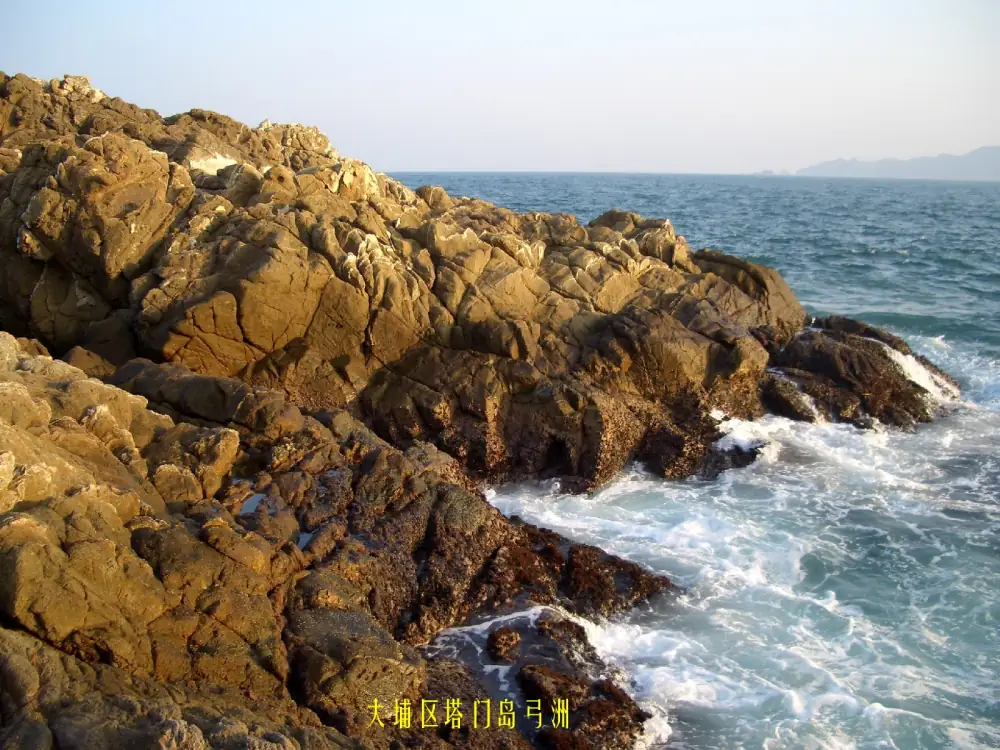
Lantau Island has Hong Kong’s highest peak — Lantau Peak (鳳凰山) at 934m — and the Lantau Trail (70km) circles the island in 12 stages.
Lantau Peak hike: The most popular ascent leaves from Ngong Ping (accessible by cable car from Tung Chung MTR, ¥245 return). From Ngong Ping it’s about 1.5–2 hours up to the summit via a steep but well-maintained path. Views on a clear day extend across the Pearl River Delta. Many hikers do this at night to catch sunrise from the peak — spectacular but requires a head torch and warm layers.
The South Lantau section (Stages 3–5) covers beaches, headlands, and fishing villages largely untouched by tourism development. Very different from the urban parks on Hong Kong Island.
Lamma Island Trail
Time: 2–3 hours | Distance: 6–8km | Difficulty: Easy
Lamma Island is a 25-minute ferry from Central or Aberdeen and has marked trails connecting the two main villages (Yung Shue Wan and Sok Kwu Wan) across the island’s low hills. The walk takes 2–3 hours at leisure, passing through countryside, over headlands with sea views, and past the famously photogenic Hung Shing Ye beach.
Finish at Sok Kwu Wan with lunch or dinner at one of the seafood restaurants along the harbor. Combination of easy hike, beach, and excellent seafood makes this the perfect half-day from the city.
Essential Practical Notes
Weather: Hong Kong’s typhoon season runs June–September. Check HKO (Hong Kong Observatory) app before any hike — trails close automatically in Typhoon Signal 8 or higher. Even T3 (signal 3) makes ridgeline hiking unpleasant and potentially dangerous.
Heat: May–September is genuinely hot and humid. Start hikes before 8am, carry significantly more water than you think you need, and consider coastal or forested routes over exposed ridgelines in peak summer.
Apps: The Hong Kong Map app and Wikiloc have comprehensive trail coverage. AllTrails also has decent Hong Kong content with user reviews.
What to wear: Proper walking shoes are strongly recommended on rocky trails. The standard tourist trainers work for gentle paths but slip badly on wet granite.
Free parks: All country parks are free to enter. No permits needed for any standard trail.
Getting around: The MTR reaches the starts of most major trails (Shau Kei Wan for Dragon’s Back, Tung Chung for Lantau, Shatin for MacLehose Stage 4). Minibuses and taxis cover the rest.
Hong Kong hiking is one of the travel world’s genuine surprises. You can eat Michelin-starred dim sum for lunch, be on a mountain ridge with no other humans in sight by 2pm, and watch the harbor skyline glow at sunset by 7pm. That itinerary is more or less impossible anywhere else.