
Choosing where to stay in Shanghai comes down to what version of the city you want to experience. The French Concession delivers the best independent restaurants, boutique shops, and neighbourhood character. The Bund area is expensive but delivers the skyline view that defines Shanghai internationally. Jing’an is the practical choice — central, good metro, mix of food and shopping options without being either as atmospheric or as premium as the two alternatives. For business travellers, Pudong’s CBD is the rational answer regardless of its character deficit.
Table of contents
Open Table of contents
Neighbourhood Guide
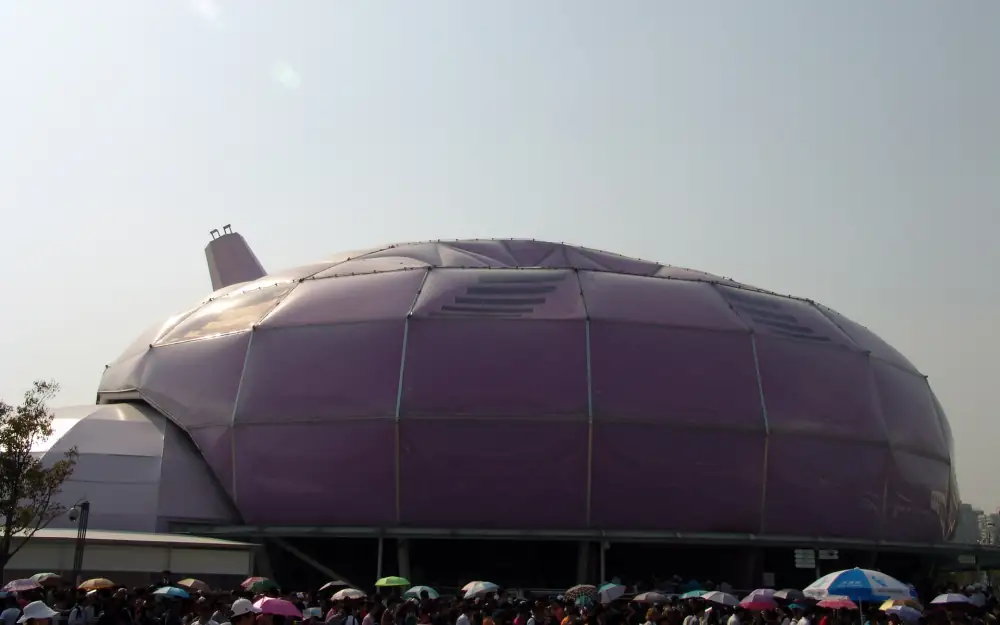
French Concession (法租界): The Best Eating and Independent Scene
The former French Concession (covering parts of Xuhui and Jing’an districts) is Shanghai’s most desirable residential neighbourhood and the best base for first-time visitors who want to explore the city’s independent culture. Tree-lined streets, Art Deco buildings, lane-house cafés, the highest density of good independent restaurants in the city, and the most interesting bar scene.
The downside: Not the cheapest option, and you’re a 15-20 minute metro ride from the Bund and some of the traditional tourist sights. But the metro connections are excellent.
Sub-areas within the French Concession:
- Wukang Road area — the most Instagram-famous section; beautiful buildings, high café and boutique density. Slightly overrun on weekends.
- Julu Road / Xintiandi area — more commercial and less residential, closer to the Huangpu district.
- Huaihai Road west area — more local, excellent food options, slightly less tourist-facing.
Bund Area (外滩): The View, The Premium
Staying in the Bund area (technically Huangpu district, within walking distance of the waterfront) gives you immediate access to the Nanjing Road pedestrian street, the waterfront promenade, and the historic buildings. The night views across the Huangpu to Pudong are genuinely extraordinary.
The cost: everything here is more expensive, and you’re in an area that’s heavily visited during the day. The neighbourhoods between the Bund and Huangpu Old City have some local character, but you’re surrounded by tourist infrastructure.
Best reason to stay here: You want the convenience of walking to the Bund view without organising transport, and you’re planning short but intensive city sightseeing.
Jing’an (静安): Central Balance
Jing’an district, anchored by Jing’an Temple metro station, is roughly equidistant from the Bund, the French Concession, and the main commercial areas. Good range of hotels at mid-range to luxury prices. Less atmospheric than the French Concession but more central for a wider range of activities. The craft beer and bar scene here is good.
The Jing’an argument: If this is your first China trip and Shanghai is one of several cities on your itinerary, Jing’an gives you convenience and easy access to the whole city without committing to either the premium Bund location or the further French Concession.
Pudong: Business Travel Base
Pudong (浦东) is the modern CBD east of the Huangpu River. The skyscraper cluster is the Shanghai skyline from the Bund’s perspective. Staying here makes sense if: you have meetings in Pudong’s business district; you’re arriving/departing from Pudong International Airport; or you specifically want a high floor looking back at the historic Bund.
For leisure travel, Pudong is inconvenient — the metro connections to the rest of Shanghai require river crossing, and the neighbourhood has minimal independent restaurant or bar culture.
Budget Hotels and Hostels (¥250-500/night)
Shanghai is China’s most expensive city for accommodation, which means “budget” here is relative.
Hostel dorm beds: ¥100-150/night in the French Concession or Jing’an. Look for hostels in lane houses (弄堂) for the most interesting environment.
Private hostel rooms: ¥280-450/night for a double with shared bathroom.
Budget hotels (快捷酒店): The ¥250-400 range in Shanghai typically gets you a clean, functional room with private bathroom. Areas away from the French Concession (Hongkou, Putuo, Minhang districts) have cheaper options but require metro transit to reach most sights.
Best budget locations: The Xuhui district southern end of the French Concession has the best concentration of affordable guesthouses and small hotels with character, at lower prices than the core French Concession. Areas around Yongkang Road and Wulumuqi Road are walkable to French Concession food streets.
Mid-Range Hotels (¥700-1,500/night)
Capella Shanghai, Jian Ye Li — converted 1920s stone gate houses, the most architecturally interesting accommodation in Shanghai. Private house-style rooms. ¥3,000-7,000/night (luxury pricing but deserves mention). The smaller original Jian Ye Li properties are at the lower end.
Hotel Indigo Shanghai on the Bund — good Bund location, design-forward, reasonably priced for its position. ¥1,000-1,800/night.
Le Tour Traveler’s Rest (乐途) in the French Concession — boutique hostel that operates upper-market private rooms at ¥600-900/night. Good common areas, knowledgeable staff, excellent neighbourhood location.
The Puli (璞丽) — positioned between boutique and luxury, in Jing’an. Smaller scale than the major chains but with full hotel services. ¥2,000-4,500/night.
Domestic chain mid-range: The Chinese Atour Hotel (亚朵酒店) and Canopy by Hilton properties have good value, modern room design, and reliable foreign-guest registration across multiple Shanghai locations. ¥700-1,200/night.
Luxury Hotels (¥2,000+/night)
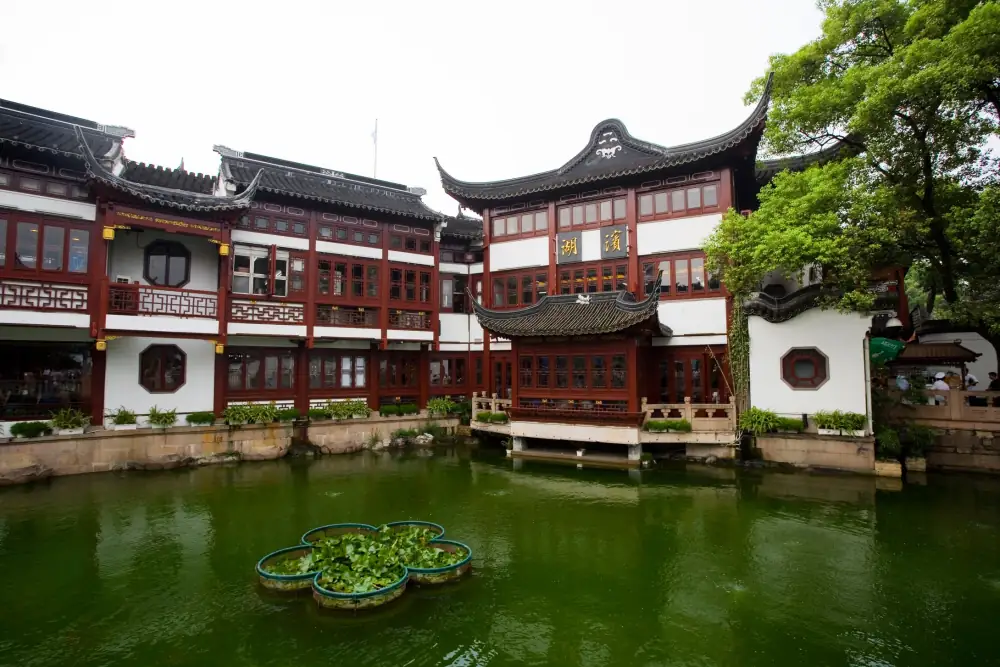
The Peninsula Shanghai (上海半岛酒店) on the Bund — the classic luxury address on the Shanghai waterfront. Art Deco exterior building dating from 1926, completely modernised interior. River-view rooms overlook the Pudong skyline. The afternoon tea is the best accessible luxury experience in Shanghai. ¥3,000-8,000/night.
Rosewood Shanghai (上海瑰丽酒店) in Jing’an — newer luxury, strong F&B program, slightly more contemporary than the Peninsula. ¥2,500-6,000/night.
Fairmont Peace Hotel (费尔蒙和平饭店) — directly on the Bund, one of Shanghai’s heritage buildings. The Jazz Bar in the basement has been playing since the 1920s. History and location are the selling points. ¥2,800-6,500/night.
The Middle House (苏州湾美仑酒店) — a design-forward luxury property in Jing’an that’s consistently cited for the quality of its food and the genuine character of its design. ¥2,200-5,000/night.
Practical Shanghai Accommodation Notes
Shanghai vs Beijing pricing: Expect to pay 20-40% more in Shanghai than for equivalent-quality accommodation in Beijing. The French Concession premium is real.
Breakfast situation: Unlike in Beijing, Shanghai hotels commonly don’t include breakfast. Budget it separately or find the local cha chaan teng equivalent for ¥20-40.
Airport transfers: Pudong Airport (PVG) is connected by Maglev to Longyang Road station (¥50, 8 minutes to city) and by metro Line 2 to central Shanghai (about 60-70 minutes, ¥8). From the French Concession, budget 60-90 minutes to the airport. Hongqiao Airport (SHA) is 25-40 minutes by metro.
Booking timing: November and March are the slowest tourism months in Shanghai — the best time for last-minute availability and reduced prices. Golden Week in October and Spring Festival period in January/February see peak pricing.