
Chengdu’s approach to nightlife says something about the city’s character. You won’t find the status-signalling bottle service culture of Beijing or the aspirational rooftop posturing of Shanghai. Instead: a riverside bar strip where entry is free and drinks are reasonably priced, a craft beer scene that’s producing some of China’s best work, music venues that care about the music, and a midnight hotpot tradition that may be the best thing that happens to you on this trip. Chengdu goes out to relax, and that relaxed energy is exactly what makes it enjoyable.
Table of contents
Open Table of contents
Jiuyanqiao Bar Strip (九眼桥酒吧街)
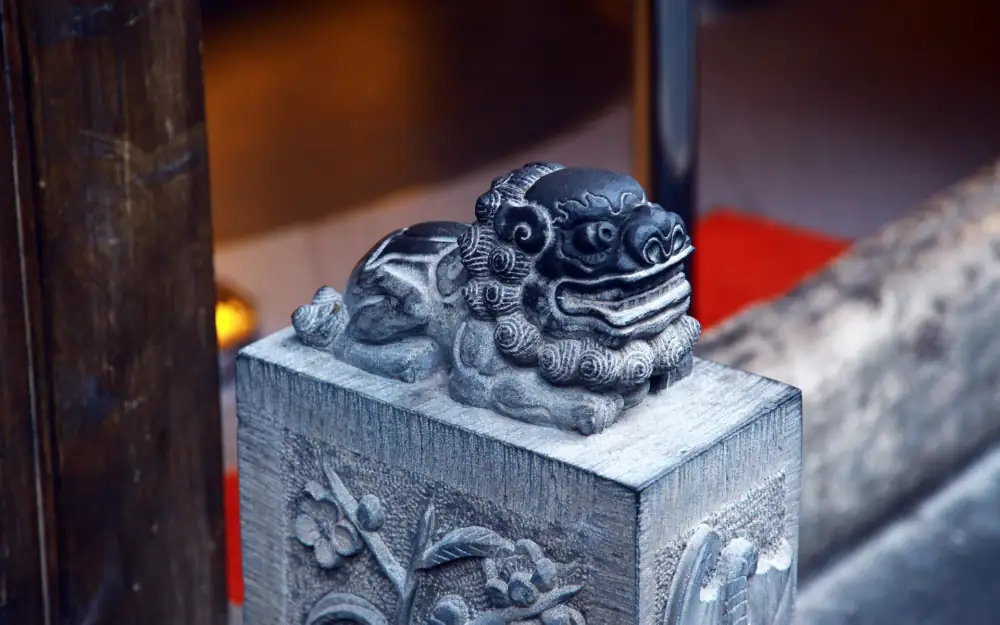
Jiuyanqiao (九眼桥, Nine-Eye Bridge) is the name for the bar-dense strip along the Fu River in the Jinjiang District. The area developed around a historic bridge and has been the centre of Chengdu nightlife since the early 2000s. Unlike Sanlitun in Beijing, Jiuyanqiao’s bars are mostly at street level, the entrance is generally free, and the vibe is accessible.
What to expect: The strip has approximately 60-80 bars within a 20-minute walk. They range from small, wood-panelled whisky bars to outdoor terrace venues to clubs with DJs to live music rooms with bands. You can walk from bar to bar easily.
Good options:
Lao Si Chuan Jiu Ba (老四川酒吧) — one of the originals, been here since the area started. Unpretentious, local crowd, standard drinks at fair prices (¥35-55 per beer). The kind of bar where the owner knows the regulars.
Boiler Room — underground space that hosts better electronic music nights than most venues in the area. Check their program before going — on good nights, it’s excellent.
Cosmo Bar — larger, live music every evening, mixed crowd of locals and expats. The music quality varies by the band.
What Jiuyanqiao is not: It’s not the place for serious cocktail bars or craft beer focused venues (those are elsewhere in Chengdu). It’s the most accessible, lowest-barrier nightlife area — good for an evening that might evolve in any direction.
Getting there: Jiuyanqiao metro station, Lines 4 and 9.
Craft Beer: White Rabbit and Panda Brew
Chengdu’s craft beer scene emerged later than Beijing or Shanghai’s but has developed fast, driven partly by the city’s strong expat and food-obsessed local population.
White Rabbit (白兔精酿) — several locations across Chengdu, with the Yulin neighbourhood branch having the best atmosphere. Outdoor seating, a long rotating tap list, and food that’s genuinely good (not just bar snacks). The beers include both Western-style IPAs and pales and interesting Chinese-ingredient experiments using Sichuan pepper, pu’er tea, and local fruits. ¥35-60 per pint.
Panda Brew (熊猫精酿) — the Chengdu craft beer institution. The original Panda Brew pub near Wuhou Shrine has been running since 2015, and the Panda Brew near Kuanzhai Alley is better located for tourists. They make their own beers and carry a range of other local and international crafts. ¥38-65 per glass.
Master Gao Craft Beer (高师傅精酿) — a newer Chengdu microbrewery with a small taproom. Less polished than Panda Brew, more experimental. Worth visiting if craft beer is a priority.
Taikoo Li and the Commercial Nightlife Zone
Taikoo Li Chengdu (成都太古里) is the upscale commercial complex in the city centre, adjacent to Chunxi Road and opposite the Jinsha Site Museum. Its rooftop areas and the surrounding streets have the most polished nightlife options in Chengdu — closer to the Shanghai model in ambience.
Canvas rooftop bar at the Opposite House hotel — the best rooftop view in central Chengdu. Cocktails ¥90-160. Best at sunset and early evening before the crowds arrive.
Various wine bars and cocktail bars in the Taikoo Li lanes — the best way to explore is to walk the lanes and look for bars that have a crowd. Opening and closing of specific venues in this area moves quickly.
The cost reality: Taikoo Li prices are 40-60% higher than Jiuyanqiao for equivalent drinks. You’re paying for the environment.
Live Music in Chengdu

Tanghui Live (糖汇LIVE) — one of Chengdu’s primary indie music venues. Capacity around 300, books touring Chinese and occasional international acts. Tickets ¥80-200. Located in the Wannian Industrial Park area.
Little Bar (小酒馆) near Yulin — a Chengdu institution since 1997. Small, intimate, mostly folk and acoustic indie performances. Entry ¥30-80. The venue has a genuine history in Chengdu’s underground music scene and many well-known Chinese musicians played their first shows here.
DEMO Livehouse — the closest thing to an underground electronic music venue in Chengdu. Small capacity, experimental programming, not trying to be anything other than what it is.
Free music nights: Several bars along the Yulin South Road area have live music nights (folk, jazz, acoustic) with no cover charge. Walking that street on a Thursday or Friday evening and listening from outside before choosing where to enter is a valid strategy.
Midnight Hotpot: The Real Chengdu Night
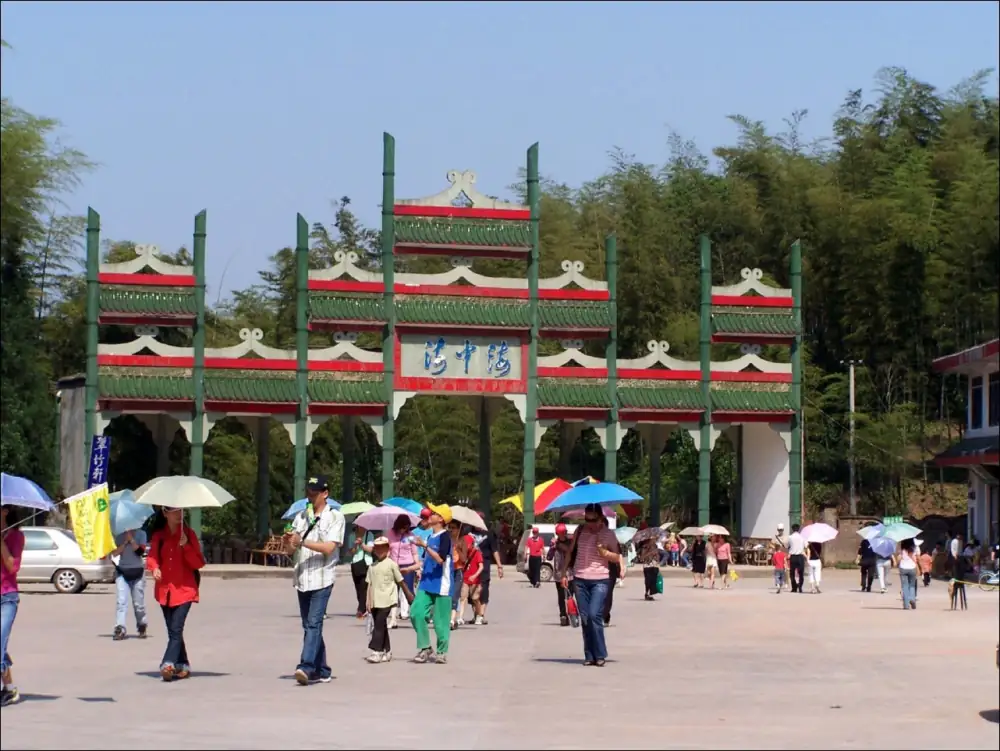
Here’s the thing about Chengdu nightlife that nobody in Beijing or Shanghai will fully understand: eating hotpot at midnight is a completely normal, respected life choice in Chengdu. The city’s hotpot restaurants operate 24 hours. A significant proportion of Chengdu residents, across all ages, will end a night out with a hotpot session starting at 1 or 2am.
This is culturally coherent. Chengdu’s relationship with food is more serious than its relationship with going out to clubs. The midnight hotpot session is the social centrepiece, not the post-club consolation prize.
How to do it: After whatever you’ve been doing, find a 24-hour hotpot restaurant. The Xiaolongkan (小龙坎) and Shu Jiuxiang (蜀九香) chains are reliable standards with 24-hour locations. Qiao Tou Hotpot (桥头火锅) in the old town area is the locals’ choice for a classic Chongqing-adjacent experience.
Order the split pot (鸳鸯锅) if some people in your group can’t handle the full mala broth. Order beef tripe (毛肚) first — it’s the best thing in the pot and should be eaten in the first 15 minutes when the oil is at its most flavourful. The midnight experience typically runs 1.5-3 hours.
Cost: ¥80-150 per person for a full midnight hotpot. Worth every mao.
The Yulin Neighbourhood Bar Scene
Yulin (玉林) is a residential neighbourhood in the south of the city that has developed an authentic, low-key bar scene over the past decade — driven by artists, musicians, and food-obsessed locals rather than by commercial development.
The Yulin South Road area has independent wine bars, record-playing bars (playing vinyl loudly, expect to discover music), small cocktail bars, and the original White Rabbit location. This is where Chengdu people who work in the food industry go on their nights off.
Less accessible than Jiuyanqiao for a first night, but better for your third or fourth night when you want something more real.
Practical Chengdu Nightlife Notes
The schedule: Things start late. Before 9pm is dead. 10pm-midnight picks up. Post-midnight is when it’s good.
Transport: Chengdu metro runs until 11:30pm-midnight. DiDi is reliable and cheap at ¥20-40 for most in-city journeys.
Cost: Jiuyanqiao bars ¥30-60 per drink. Craft beer ¥35-65 per glass. Taikoo Li ¥80-160. Midnight hotpot ¥80-150 per person. Chengdu is noticeably cheaper than Beijing or Shanghai for a night out.
Safety: Chengdu is very safe at night. The main nightlife areas are well-populated and hassle-free.
The comparison with Beijing/Shanghai: Chengdu’s nightlife is less impressive in its headline venues, but more enjoyable on average because the baseline quality is higher and the status-conscious pressure is lower. People go out here because they enjoy going out, not to be seen going out. That distinction matters.