
Chengdu holds more UNESCO Creative City of Gastronomy status than perhaps any other city of its size in Asia — and the title is deserved. The city’s food culture is a full sensory experience: numbing Sichuan peppercorn (花椒), fiery chilli oil, the gentle tang of fermented black beans, and the extraordinary depth of flavour that comes from Sichuan’s unique climate and culinary tradition.
Table of contents
Open Table of contents
- Understanding Sichuan Flavour
- Sichuan Hotpot (四川火锅)
- Mapo Tofu (麻婆豆腐)
- Dan Dan Noodles (担担面)
- Rabbit Head (兔头): Chengdu’s Most Local Snack
- Kuanzhai Alley (宽窄巷子) Food Tour
- Chengdu Teahouse Culture (茶馆文化)
- Chengdu Street Food by District
- Sichuan Cuisine Beyond Chengdu: What to Try Before Leaving the Province
Understanding Sichuan Flavour
Before eating, understand the key flavours:
Má là (麻辣) — the signature Sichuan combination: numbing (麻, from Sichuan peppercorn) + spicy (辣, from dried and fresh chillies). The peppercorn causes a slight electric tingling sensation on the tongue; it doesn’t burn, it numbs.
Yú xiāng (鱼香) — “fish-fragrant” sauce. Contains no fish — the sauce mimics flavours traditionally used to cook fish: pickled chilli, ginger, garlic, sugar, vinegar. Sweet, sour, and savoury simultaneously.
Guài wèi (怪味) — “strange flavour.” A complex blend of sweet, sour, spicy, numbing, salty, and umami all at once. Used in cold dishes and noodles.
Jiā cháng wèi (家常味) — “home-style flavour.” The everyday, less intense style that’s the backbone of home cooking: doubanjiang (bean paste), garlic, light soy sauce.
Sichuan Hotpot (四川火锅)
The experience
Chengdu’s hotpot is the world’s most intense: a massive bubbling cauldron of brick-red oil infused with dried chillies, Sichuan peppercorn, and numerous aromatics. You choose raw ingredients to cook yourself at the table — tripe, brain, liver, thinly-sliced beef, mushrooms, vegetables, tofu, gluten puffs — and dip each cooked morsel in sesame oil and garlic.
Choosing your heat level
Most restaurants offer:
- 微辣 (slightly spicy) — accessible for newcomers
- 中辣 (medium spicy) — where most local diners start
- 特辣 (extra spicy) — for experienced chilli eaters only
- 鸳鸯锅 (half-and-half pot) — split pot with spicy and mild broths
Where to eat hotpot
Haidilao (海底捞) — The internationally known chain. Exceptional service (hand-stretched noodle performances, free waiting-room snacks, nail service), reasonable quality. More of a service experience than the most authentic flavour. Good for first-timers who want a comfortable introduction.
Shu Jiu Xiang (蜀九香) — considered by many Chengdu residents to have the best authentic hotpot broth. Less theatrical than Haidilao, more focused on flavour.
Long Chaoshou (龙抄手) — a Chengdu institution on Chunxi Road since 1941. Technically a wonton restaurant (not hotpot) but famous for traditional Sichuan small dishes.
Local neighbourhood hotpot shops — The best experience: small, loud, plastic tablecloths, no English menu. Point at the ingredients hanging on the wall or in the refrigerated cabinet. Ask “老板,辣度中辣可以吗?” (medium spice). Budget: ¥40–¥80 per person.
Mapo Tofu (麻婆豆腐)
The original mapo tofu — silken tofu in a sauce of doubanjiang, dried chilli, fermented black beans, and minced beef or pork, finished with Sichuan peppercorn oil — was invented in Chengdu in the Qing Dynasty by a pockmarked woman known as “麻婆” (pockmarked granny).
Chen Mapo Tofu (陈麻婆豆腐) — the original restaurant, in business since 1862. Still in Chengdu; the Qingyang branch on Xi’yulong Street is the most historical. The dish arrives bubbling and orange, with a visible slick of chilli oil. Price: ¥28–¥38.
Pro tip: order the mapo tofu with a bowl of plain white rice (白米饭) — it’s inseparable. The combination of numbing spice and plain rice is how Sichuan people eat it.
Dan Dan Noodles (担担面)

Originally sold by street vendors carrying pots on shoulder poles (担子, dàn zi), dan dan noodles are thin wheat noodles in a sauce of sesame paste, chilli oil, preserved vegetables (ya cai), minced meat, and spring onions.
Lao Chengdu Dan Dan Mian — look for this name on storefronts near Kuanzhai Alley and Wuhou Shrine areas. Price: ¥12–¥20.
Pro tip: mix thoroughly before eating. The paste settles to the bottom; unmixed, the first bites are all spice, the last all paste.
Rabbit Head (兔头): Chengdu’s Most Local Snack
Chengdu consumes more rabbit per capita than almost anywhere in China, and the spicy braised rabbit head is the city’s most distinctive “you won’t find this elsewhere” snack.
Halved rabbit heads are slow-braised in five-spice, chilli, and aromatics until the meat falls off the tiny bones. You eat it with your hands: crack open the skull, eat the brain, dig out the cheek meat, and gnaw the jaw bones.
Where to find them: convenience stores (particularly near universities), night markets, and dedicated rabbit head shops. Price: ¥8–¥15 per head.
Kuanzhai Alley (宽窄巷子) Food Tour
Chengdu’s most famous pedestrian food street has its share of tourist-trap restaurants, but the side alleys contain excellent traditional snack shops:
What to eat here:
- Guo Kui (锅盔) — Sichuan-style flatbread with fillings; ask for the pork and chilli version
- San Da Pao (三大炮) — glutinous rice balls thrown against a plate (“three cannon” because of the sound), dusted in sesame and red bean flour. Theatrical and delicious.
- Zhong Shui Jiao (钟水饺) — Chengdu-style dumplings in sweet chilli sauce; the Zhong Dumplings brand has been in business since the 1930s.
- Lai Tang Yuan (赖汤圆) — glutinous rice balls (tang yuan) in sweet broth, filled with sesame paste. The Lai family brand has been selling these since 1894.
Chengdu Teahouse Culture (茶馆文化)
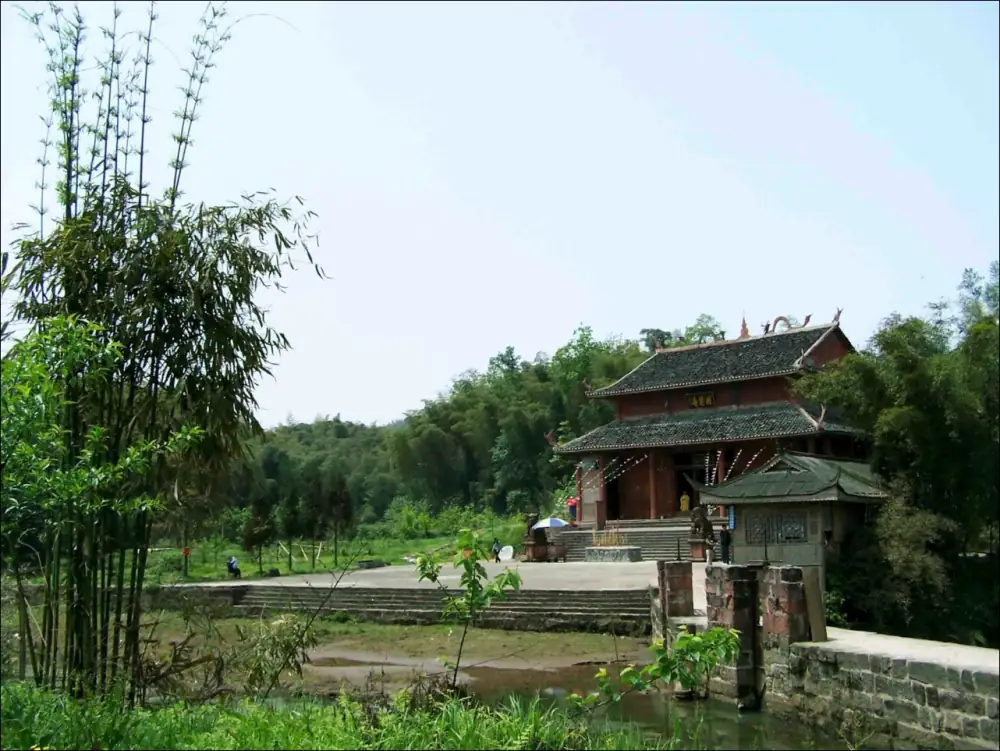
Chengdu’s teahouses are unique in China — less formal than a Hangzhou tea ceremony, more social than anywhere else. Locals come to play mahjong, chat, have their ears cleaned, and watch street performers.
Renmin Park Tea House (人民公园鹤鸣茶舍) — the most accessible teahouse for visitors, set in a public park. Order a gaiwan (lidded cup) of green or jasmine tea for ¥20–¥35. Sit for as long as you want; an attendant refills your hot water. Watch Chengdu life unfold.
Traditional snacks with tea: Many teahouses serve small plates of peanuts, seeds, and dried fruits. Full snack menus (小吃) are available at the better teahouses.
Chengdu Street Food by District
Yulin Food Market (玉林生活区) — a residential neighbourhood with concentrated local snack culture and wet markets. Less touristy than Kuanzhai Alley. Excellent for real daily Chengdu eating.
Tianfu Square night market — outdoor food stalls with excellent braised and skewered foods from 7pm.
Wuhou Shrine area (武侯祠) — surrounded by night market stalls specialising in Leshan-style cold noodles, cold rabbit, and cold tripe salads.
Sichuan Cuisine Beyond Chengdu: What to Try Before Leaving the Province
Leshan-style food (乐山菜): slightly different from Chengdu — stronger use of bean paste, excellent fish dishes. If visiting the Giant Buddha, eat here.
Zigong “Yanba” cuisine (自贡盐帮菜): The salt-producing city has its own intensely flavoured cuisine — salt-braised beef and lamb, cold rabbit dishes.
Ya’an-style preserved vegetables — if passing through on the way to the western plateau, try the local fermented bamboo shoots.
Last updated: May 2026 · Chengdu’s food scene evolves rapidly. Restaurant-specific details may change.