
Sichuan Opera (川剧, Chuānjù) is one of China’s most visually spectacular performance traditions — and the face-changing (变脸, biǎn liǎn) technique, in which performers switch between elaborate painted masks in split seconds, is the most internationally recognised element.
Understanding Sichuan Opera well means appreciating that face-changing is the flashiest but not the most sophisticated element of a 300-year-old performance tradition combining music, acrobatics, comedy, and theatrical convention.
What Is Sichuan Opera?
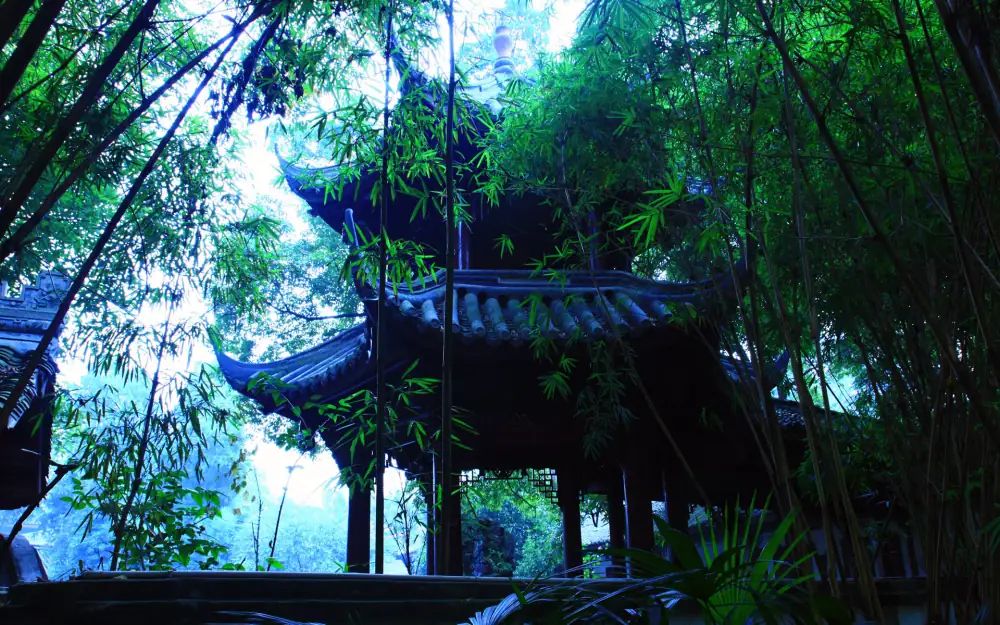
Sichuan Opera is a regional variant of Chinese opera — distinct from Beijing Opera (京剧) or Cantonese Opera (粤剧) in its musical instruments, vocal techniques, story repertoire, and performance conventions.
Key elements:
- Five vocal styles (five different musical traditions merged in Sichuan Opera’s development)
- Clown characters (丑角) that are central to the comedic tradition
- Acrobatic techniques (杂技融合): fire-breathing, juggling, spinning plates
- Puppet and shadow art (皮影、木偶) sometimes integrated into performances
- Face-changing (变脸): The technique of swapping painted silk masks by a combination of hand motions, body turns, and eye blinks — the exact technique is a guild secret. Multiple masks are changed in sequence; some performances achieve 12+ masks in under a minute.
The Best Venues in Chengdu

Shufeng Yayun Teahouse (蜀风雅韵茶馆)
Inside the Jinle Garden within the Old Cultural Park (文化公园). This is considered by many to offer the most authentic Sichuan Opera teahouse experience — smaller venue, genuinely skilled performers, audience sitting at traditional teahouse tables.
Format: 2-hour programme of various Sichuan Opera elements (not just face-changing). Entry ¥100–180 depending on seating.
Jinjiang Theatre (锦江剧场)
The official Sichuan Opera performance venue — the provincial Sichuan Opera Institute performs here. More formal theatrical presentation; better for seeing the full operatic tradition rather than the highlight reel version.
Format: Full opera performances (2.5–3 hours) and shorter compilation programmes.
Commercial Tourist Performances
Multiple venues near the Jinli Street and Wide and Narrow Alleys offer nightly condensed shows specifically designed for tourists — 1-hour programmes focusing on face-changing and fire-breathing highlights. These are professionally performed but lack the depth of the teahouse format.
Recommend: See the teahouse version first (more authentic) and the tourist version if you want more face-changing frequency.
The Teahouse Culture Context
Historically, Sichuan Opera was performed in teahouses rather than formal theatres. The audience sat with tea, snacks, and company; the performance was atmosphere as much as spectacle. This culture survives in the teahouse venues — the performance and the social context of shared tea tables are integrated.
The tradition: Before the performance, an ear-cleaning (采耳) session at your table, a pot of green tea, and the gradual filling of the teahouse as the show time approaches represents the original experience that has been happening in Chengdu for 200+ years.
Also see: Chengdu Food Street Guide | Chengdu Wide and Narrow Lanes Guide | China Cultural Performances Guide