Kuanzhai Alley (宽窄巷子, Kuān Zhǎi Xiàng Zi — literally “Wide and Narrow Alley”) is Chengdu’s most visited historic street and one of the city’s most complex attractions to navigate: a genuinely ancient street layout (dating to the Qing Dynasty Manchu military garrison) now converted into a mixed-use district of restaurants, bars, tea houses, and boutiques. Some of it is excellent; some of it is pure tourist theatre. This guide tells you which is which.
Table of contents
Open Table of contents
The History Behind the Alleys

The Manchu garrison origin
Kuanzhai Alley is not a merchant street or market district — it originated as a military garrison (少城, Shǎo Chéng, “Lesser City”) for Manchu Banner troops garrisoned in Chengdu after the Qing Dynasty conquest in the 17th century. The rigid grid layout of wide (宽, kuān) and narrow (窄, zhǎi) perpendicular alleys was a military plan; each family compound was allocated by banner rank.
After the Qing Dynasty ended in 1912, the garrison dissolved and the compounds gradually transitioned to civilian use — teahouses, merchant families, and eventually the mixed community that survived until the district was redeveloped and restored beginning in 2003.
Why this matters: the current buildings are largely reconstructed to historical appearance (the 2003–2008 restoration was controversial among heritage scholars), but the street layout and plot proportions are original. The alley widths, the courtyard dimensions, and the orientation of the compounds are the authentic Qing military grid.
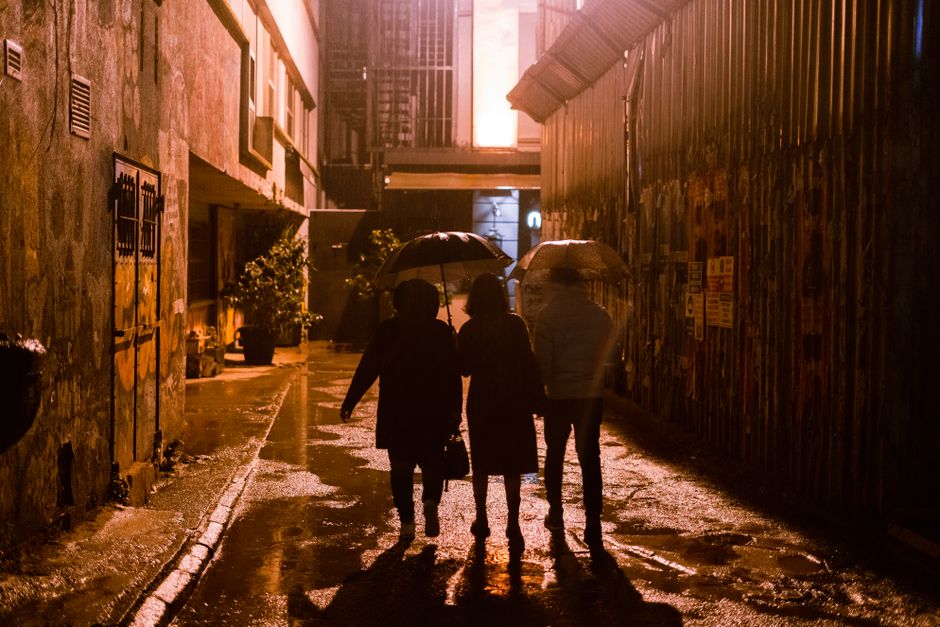
The Three Alleys
Wide Alley (宽巷子)
The most historically oriented of the three streets, with more traditional courtyard residences that have been converted to upscale tea houses, restaurants with courtyard seating, and craft shops.
Best things here:
Courtyard teahouses: Several converted courtyard houses serve excellent Sichuan tea in traditional gaiwan cups, with courtyard gardens. Look for houses that have original flagstone courtyards and surviving old trees (some of the large ginkgo and locust trees in these courtyards are 100+ years old). Prices: ¥30–¥60 per person for tea and seating. Worth it.
Old Chengdu lifestyle photography: The Wide Alley has a concentration of small stalls offering old-fashioned photography experiences — dressed in Republican-era (1912–1949) Chengdu costumes, with period props. Kitschy but popular with Chinese domestic tourists and genuinely charming.
Narrow Alley (窄巷子)
The most food-forward of the three, with street food stalls concentrated here. Better preserved street-level atmosphere; slightly less international signage.
Best food on Narrow Alley:
- San Da Pao (三大炮): glutinous rice balls thrown against a plate, producing a dramatic “pao-pao-pao” sound. The vendor’s showmanship is part of the experience. ¥15–¥20.
- Zhong dumplings (钟水饺): the long-established brand of Chengdu-style dumplings in sweet chilli sauce; the Narrow Alley location is a main branch
- Guo kui (锅盔): Sichuan-style flatbread with various fillings; ask for 猪肉 (pork) or 牛肉 (beef) with extra spice
- Tangyuan: glutinous rice balls in sweet soup; the Lai Tangyuan brand has been selling here since 1894 (the brand, not this specific location)
Well Lane (井巷子)
The newest and least historically interesting of the three — primarily converted into modern cafés, bars, and a lengthy art installation of ceramic bottle-cap wall art running the length of the lane. Good coffee; less traditional atmosphere. Worth walking through but not the destination.

What to Do Here (Beyond Walking)
Ear cleaning (采耳)
One of Chengdu’s most distinctive services: a practitioner cleans your ear canal using long bamboo tools while you sit in a chair on the street or in a tea house. Deeply relaxing to those accustomed to it; alarming to first-timers. The gentle scraping, brushing, and vibrating tools are experienced as almost meditative by Chinese customers. Price: ¥40–¥80.
Widely available in Kuanzhai Alley; also in the main teahouse area of People’s Park (人民公园).
Sichuan Opera Face Changing (川剧变脸)
Several restaurants and performance venues in Kuanzhai Alley offer Sichuan Opera performances including the famous “face changing” (变脸, biàn liǎn) technique: performers switch painted masks in a fraction of a second through techniques that are closely guarded trade secrets. A full performance runs 60–90 minutes with multiple acts; the face-changing portion is typically 5–10 minutes within the show.
Best option: Sichuan Opera performances at dedicated venues (not restaurant shows) offer better production quality. The Jinjiang Theatre (锦江剧场) near Tianfu Square is the standard recommendation.
People’s Park (人民公园): The Real Teahouse Experience
For the genuine (not tourist-oriented) Chengdu teahouse experience, walk 15 minutes from Kuanzhai Alley to People’s Park (人民公园) and the Hémíng Tea House (鹤鸣茶社). This is where Chengdu residents actually come for afternoon tea — groups playing mahjong, elderly people reading newspapers, friends talking for hours over a single pot of jasmine tea (¥20–¥30 for the pot, unlimited refills).
Honest Critique: What’s Overrated
The entrance gate photo opportunity: the illuminated archway at the entrance to Wide Alley is heavily photographed and heavily crowded. The actual alley interiors are better than the gateway suggests.
Most souvenir shops: the standard souvenirs — “Chengdu” embroidered items, panda toys, Sichuan spice packages — are available everywhere and not especially well-priced here.
“Traditional performance” restaurants: the restaurants that advertise traditional performances during dinner are primarily oriented to tour groups; quality varies. Ask specifically about performance type before booking.
Practical Information
Location: Qingyang District, Chengdu. Metro: Kuanzhai Xiangzi Station (宽窄巷子站) on Line 4.
Opening hours: the alleys themselves are always open (it’s a public street). Individual shops and restaurants: generally 10am–10pm.
Best time to visit: weekday mornings (9–11am) before the crowds build. Avoid weekend afternoons.
Combination visit: Kuanzhai Alley is 10–15 minutes by taxi from Wuhou Shrine (武侯祠) and Jinli Street (锦里) — another historic street, more focused on Shu Kingdom-era history. Many visitors combine both in an afternoon.
Last updated: May 2026