
Step back in time in China’s lesser-known ancient towns, where history and local life blend seamlessly, offering authentic cultural experiences far from the crowded tourist hubs. From the ink-scented alleys of Huizhou to the riverine charm of Qujiang and the Zen tranquility of Yuhang, these hidden gems reveal the soul of old China.
Table of contents
Open Table of contents
Why Go Off the Beaten Path?
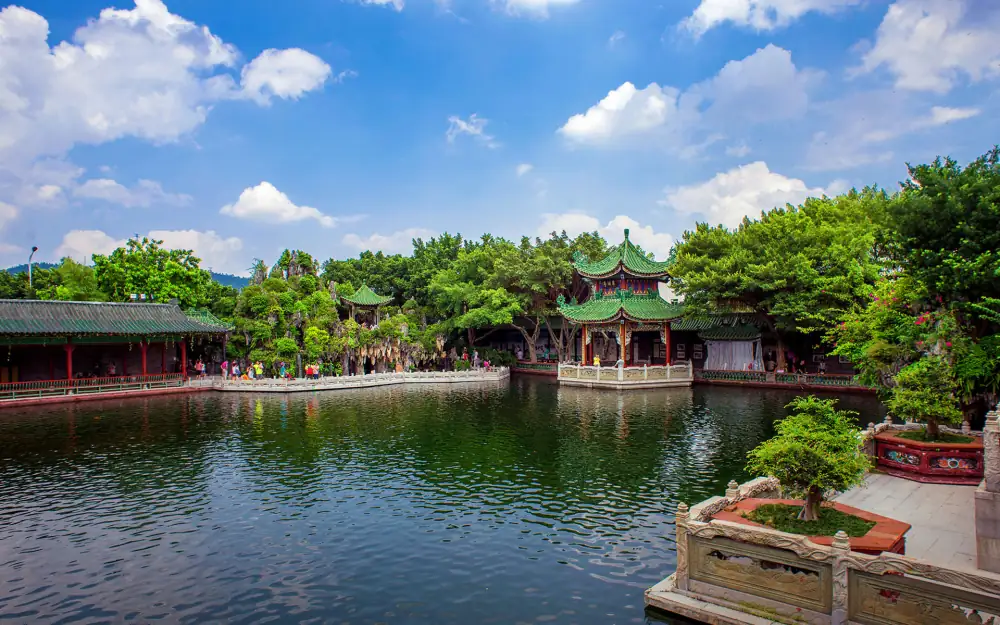
China’s famous ancient towns like Lijiang and Pingyao draw millions, but their commercialism can dilute authenticity. For travelers seeking genuine encounters with history, daily life, and local traditions, the country’s lesser-known ancient towns offer a more intimate and rewarding experience. These places preserve centuries-old architecture, crafts, and customs without the crowds, allowing you to connect with China’s rich cultural tapestry on your own terms.
Huizhou: The Lost City of Ink and Poetry
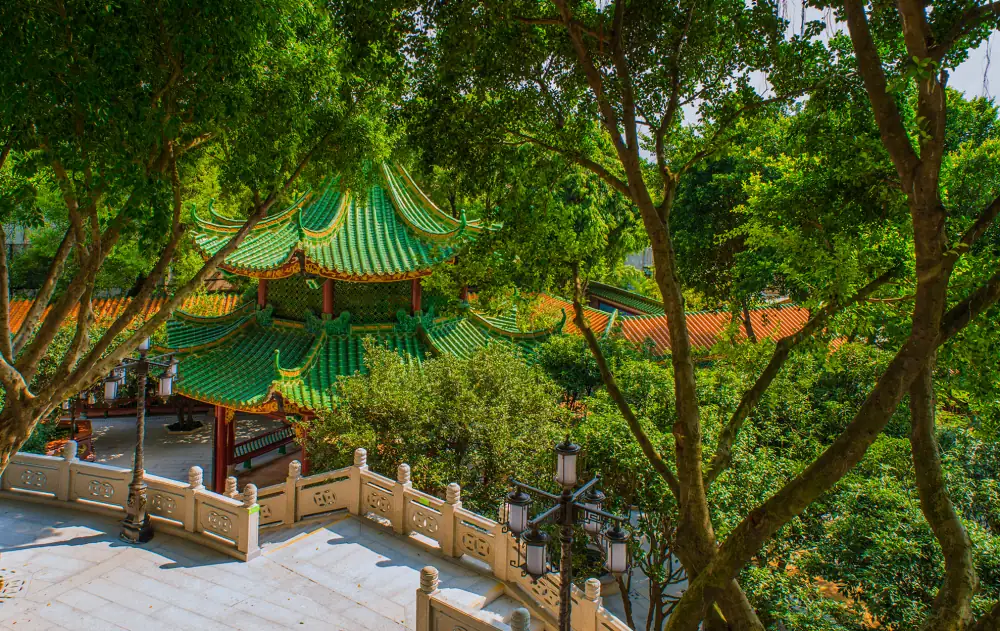
Tucked away in the mountains of southern Anhui, the historical region of Huizhou (徽州, Huī Zhōu) once encompassed six counties including Shexian, Yixian, and Wuyuan (now in Jiangxi). In the 1980s, the city name “Huizhou” was replaced by “Huangshan” after the famous mountain, but the cultural identity endures. This is the birthplace of Huizhou ink (徽墨, huī mò), one of the Four Treasures of the Study, and a landscape that inspired poets like Li Bai and artists like Fan Kuan.
The Art of Huizhou Ink
Huizhou ink has been produced since the Tang dynasty (618–907). Legend says that Xi Chao, a master ink maker from the north, fled south with his family and settled in Shezhou (now Shexian). His son Xi Tinggui perfected the craft, creating ink so fine that it could cut wood and paper. The Southern Tang emperor Li Yu appointed him official ink maker and bestowed the imperial surname Li. Thus “Li Mo” (Li’s ink) became legendary, with a saying: “Gold is easily obtained, but Li’s ink is not.”
During the Ming and Qing dynasties, Huizhou ink flourished with over 120 workshops. Famous names like Cao Sugong and Hu Kaiwen emerged. Hu Kaiwen’s “Earth Inkstone” won a gold medal at the 1915 Panama–Pacific International Exposition. Today, you can visit the Hu Kaiwen Ink Workshop in Jixi County to see traditional ink-making techniques, from pine soot collection to pounding and molding.
Must-Visit Towns in Huizhou
Shexian (歙县, Shè Xiàn) – Home to the Huizhou Ancient City, one of China’s four best-preserved ancient cities, dating back to the Qin dynasty. Highlights include the Xu Guo Stone Archway (许国石坊, Xǔ Guó Shí Fāng), the only surviving eight-legged archway in China, and the Yuliang Ancient Dam (渔梁古坝, Yú Liáng Gǔ Bà), a historic water transport hub.
Xixinan (西溪南, Xī Xī Nán) – A 1,200-year-old village with lush maple forests and the Fengle River. Unlike Hongcun and Xidi, Xixinan remains uncrowded and free of entry fees. Visit the Old Pavilion (老屋阁, Lǎo Wū Gé), a Ming dynasty residence with sturdy Song-Yuan style architecture.
Jixi Shangzhuang (绩溪上庄, Jì Xī Shàng Zhuāng) – The hometown of Hu Kaiwen and philosopher Hu Shi. Explore Hu Shi’s former residence, built in 1897, and the Yanglin Water Gap, one of Huizhou’s three major water gaps.
Getting There & Around
Shexian is about 1 hour by high-speed train from Huangshan North Station. Buses connect major towns. For a deeper experience, consider renting a car or hiring a driver to explore the countryside. Many villages are walkable.
Qujiang: The Pearl of the North River
Qujiang (曲江, Qǔ Jiāng) district in Shaoguan, northern Guangdong, is named after the winding North River (北江, Běi Jiāng). This area was once a bustling port known as “Little Hong Kong” in the mid-20th century. Today, it offers a blend of riverine culture, prehistoric sites, and fresh seafood.
The North River: A Golden Waterway
The North River flows from Jiangxi through Shaoguan and into the Pearl River Delta. Along its banks, the Shixia culture (石峡文化, Shí Xiá Wén Huà) flourished 4,000–5,000 years ago, with rice agriculture and sophisticated pottery. The Maba Man site (马坝人遗址, Mǎ Bà Rén Yí Zhǐ) nearby preserves fossils of a 130,000-year-old hominid.
Wushi Town: From Little Hong Kong to Modern Port
Wushi Town (乌石镇, Wū Shí Zhèn) was once a thriving trade hub. Its old ferry terminal, now abandoned and overgrown, still echoes with memories of travelers heading south to Guangzhou and Hong Kong. Today, the new Shaoguan Port handles millions of tons of cargo annually. Don’t miss the Yuehua Temple (月华寺, Yuè Huá Sì), built in 505 AD, which predates the famous Nanhua Temple. Poet Su Shi visited here in 1094.
River Cuisine
The North River is famous for its freshwater fish and shrimp. Local specialties include steamed mandarin fish (清蒸桂鱼, qīng zhēng guì yú) and river shrimp (河虾, hé xiā), simply prepared with oil, salt, and ginger to preserve natural sweetness. The “Big Plate Fish” (大盘鱼, dà pán yú) is a signature dish, slow-cooked with a secret sauce.
Getting There & Around
Take a high-speed train from Guangzhou South to Shaoguan (about 30 minutes). From Shaoguan station, local buses or taxis reach Wushi Town in 30 minutes. The best way to explore is by hiring a car or joining a local tour.
Yuhang: Zen, Bamboo, and Ancient Paths
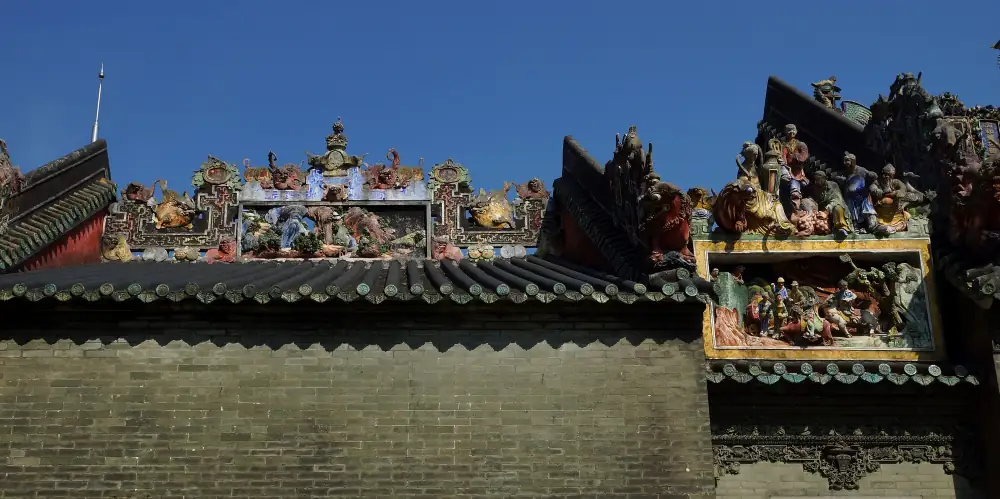
Yuhang District (余杭区, Yú Háng Qū) in Hangzhou is often overlooked by visitors rushing to West Lake. Yet it holds some of the region’s most profound cultural sites: Jingshan Temple (径山寺, Jìng Shān Sì), the birthplace of Japanese tea ceremony and Zen Buddhism; the Liangzhu Archaeological Site (良渚古城, Liáng Zhǔ Gǔ Chéng), a UNESCO World Heritage site dating back 5,000 years; and the Jingshan Ancient Path (径山古道, Jìng Shān Gǔ Dào), a scenic hiking trail used by poets like Su Shi.
Top Experiences
- Jingshan Temple: Founded in the Tang dynasty, this temple is the head of the five great Zen temples of Jiangnan. It is especially known for its “tea and Zen” tradition. Visitors can attend tea ceremonies and enjoy vegetarian meals. The temple is said to be efficacious for career and academic wishes.
- Jingshan Ancient Path: A 2 km stone path through bamboo forests, with a 300 m elevation gain. Suitable for all ages, it offers panoramic views and a sense of walking in the footsteps of ancient scholars.
- Liangzhu Ancient City: Explore the ruins of a Neolithic city with advanced jade-working and rice cultivation. The on-site museum is excellent.
- Changle Forest Farm: Known as “Hangzhou’s Little Fuji,” this area is perfect for camping, hiking, and family outings.
Where to Stay
Yuhang offers a range of boutique guesthouses, many with bamboo views and river access. Recommended options include Danzhuyuan (淡竹元), a family-friendly property surrounded by bamboo groves, and Jiulin Jingshe (久临静舍), a quiet retreat with lake fishing.
Getting There & Around
Yuhang is easily accessible from Hangzhou West Railway Station, with high-speed trains connecting to Beijing, Shanghai, Nanjing, and Huangshan. From Hangzhou city center, drive 30 minutes. Local buses and taxis serve the main attractions.
Practical Tips for Visiting Ancient Towns
Best Time to Visit
- Spring (March–May) and Autumn (September–November) offer mild weather and fewer crowds.
- Avoid Chinese public holidays (e.g., National Day, Labor Day) when domestic travel peaks.
Getting Around
- High-speed rail is the best way to reach regional hubs. From there, local buses or taxis connect to towns.
- Renting a car with a driver is recommended for exploring multiple villages in one region.
- Many towns are walkable; wear comfortable shoes.
Tickets & Booking
- Most ancient towns charge an entry fee (typically ¥50–¥100). Some villages like Xixinan are free.
- Book popular sites like Liangzhu in advance via WeChat or travel platforms.
- For accommodation, use booking.com or Ctrip; many guesthouses offer discounts on direct booking.
Money & Payment
- Alipay and WeChat Pay are widely accepted. Set up these apps before your trip.
- Carry some cash for small vendors or rural areas.
- ATMs are available in county towns.
Etiquette
- Respect local customs: dress modestly when visiting temples, remove shoes before entering homes.
- Ask permission before photographing people.
- Avoid loud behavior in residential areas.
Visa
- Most travelers need a tourist visa (L visa). Check with your local Chinese embassy.
- For short layovers, the 144-hour transit visa-free policy applies in cities like Shanghai and Hangzhou.
For more travel ideas, see our China itineraries and cultural guides.
FAQ
Q: Are these ancient towns suitable for solo travelers? A: Yes, they are safe and welcoming. Many guesthouses are run by families. Solo travelers can easily join local tours or explore on foot.
Q: Do I need to speak Chinese to visit? A: Basic phrases help, but many tourist sites have English signage. Download a translation app like Pleco or Google Translate.
Q: What should I pack for visiting ancient towns? A: Comfortable walking shoes, a reusable water bottle, sunscreen, and a light jacket for evenings. In summer, bring insect repellent.
Q: Can I use credit cards in these towns? A: Credit cards are accepted at larger hotels and some restaurants, but mobile payment (Alipay/WeChat Pay) is more common. Carry cash for small purchases.
Q: How long should I spend in each region? A: For Huizhou, 2–3 days to explore Shexian, Xixinan, and Jixi. For Qujiang, 1–2 days. For Yuhang, 2 days to cover Jingshan and Liangzhu.
Q: Are there English-speaking guides available? A: In major sites like Liangzhu, audio guides are available. For personalized tours, book through a travel agency or online platform.
Q: What is the best way to get between towns? A: High-speed rail connects major cities. For rural areas, consider renting a car with a driver or using local buses.
Q: Is it safe to eat street food? A: Yes, but choose stalls with high turnover. Avoid raw or undercooked items if you have a sensitive stomach.
Q: Can I visit these towns in winter? A: Yes, but it can be cold and damp. Pack warm clothing. Some attractions may have reduced hours.
Q: Are there any festivals I should plan around? A: The Huizhou Ink Festival (October) and Liangzhu Culture Week (July) offer special events. Check local tourism websites for dates.