
In a small county tucked away in the mountains of Guizhou, a football revolution has been unfolding. Since 2023, the Village Super League (村超, Cūn Chāo) in Rongjiang (榕江, Róngjiāng) has exploded from a local pastime into a global cultural phenomenon, drawing millions of visitors and billions of online views. What makes it special? It’s not about big-money sponsors or professional players. It’s about villagers, farmers, and shopkeepers – dressed in Miao and Dong ethnic costumes – playing football with unbridled joy, while thousands cheer from packed stands. This guide tells you everything you need to know to experience Cun Chao firsthand: how to get there, what to expect, and how to dive into the rich minority culture that surrounds it.
Table of contents
Open Table of contents
What is Cun Chao?
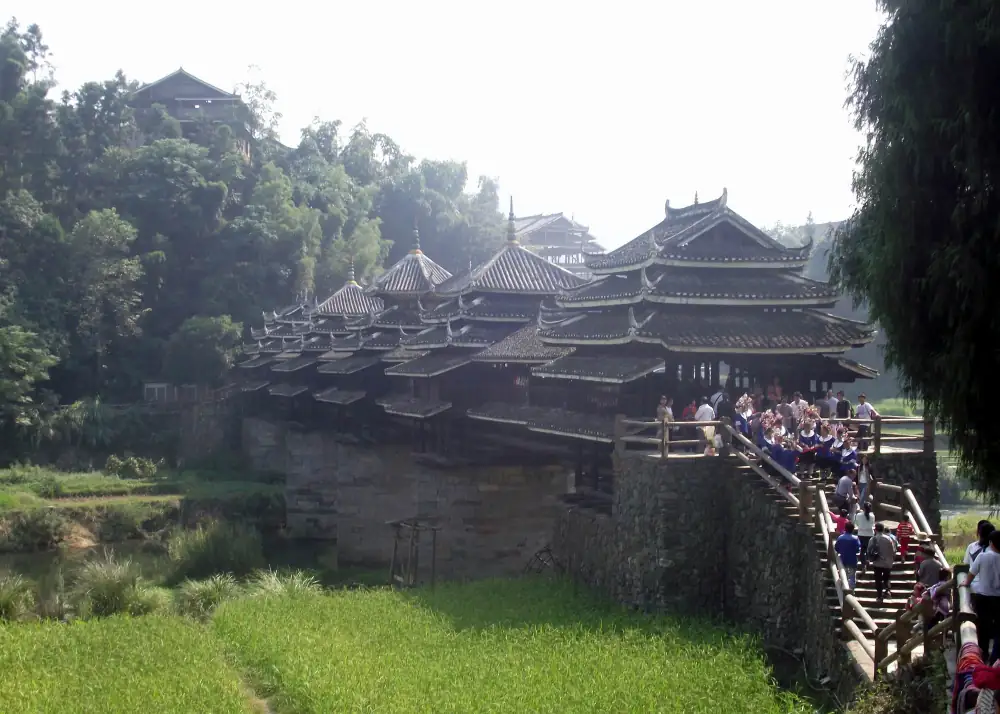
Cun Chao is a grassroots football league organized by villagers in Rongjiang County, Qiandongnan Miao and Dong Autonomous Prefecture. Unlike China’s professional Super League, Cun Chao is purely amateur – players are farmers, butchers, drivers, and students. Matches are played on a modest pitch, but the atmosphere rivals any stadium: thousands of locals in embroidered silver headdresses, beating drums, singing folk songs, and waving flags. The league started in 2023 with 20 teams and has since grown to over 130, with teams from across China and even international friendlies.
Why Cun Chao Matters
Cun Chao is more than football. It’s a symbol of rural revitalization, cultural pride, and community spirit. The matches are free to attend, and the real show is the halftime performances – spectacular displays of Miao and Dong intangible cultural heritage, including Dong Grand Song (侗族大歌, Dòngzú Dàgē), Miao lushang reed-pipe dances, and batik fashion shows. The event has become a platform for local artisans, farmers, and small businesses, boosting tourism and income for a county that was once one of China’s poorest. In 2025 alone, Rongjiang received over 10 million tourists and generated billions of yuan in tourism revenue.
For international travelers, Cun Chao offers a rare window into authentic Chinese village life, ethnic minority traditions, and the sheer energy of grassroots sports – all in a region that remains off the beaten path.
Best Time to Visit
The main season runs from May to October, with matches typically held on Friday evenings, Saturdays, and Sundays. The most spectacular games are during the Super Saturday events, which feature elaborate cultural performances. The annual championship finals usually take place in July or August. Check the official WeChat account “贵州村超” (Guizhou Cun Chao) for the latest schedule – but note that it’s in Chinese. Alternatively, ask your hotel or a local guide.
How to Get to Rongjiang
By High-Speed Train
The easiest way is to take a high-speed train to Rongjiang Station (榕江站). The station is well-connected:
- From Guiyang (贵阳): about 1.5 hours, trains run frequently.
- From Guangzhou (广州): about 3.5 hours, direct trains available.
- From Shenzhen (深圳): about 4 hours, direct trains.
Tickets can be booked via the official 12306 app (available in English) or through travel platforms like Trip.com. You’ll need to link your passport to the app for verification – do this before your trip.
By Road
Rongjiang is about a 3-hour drive from Guiyang on well-maintained expressways. Buses from Guiyang Longdongbao Bus Station also run to Rongjiang, but the train is more convenient.
Getting Around Rongjiang
Rongjiang county is small and walkable. From the train station, take a taxi or local bus to the town center (about 10 minutes). The football stadium is centrally located. For exploring surrounding villages, you can hire a taxi for the day (negotiate a price, typically ¥200-300) or use ride-hailing apps like Didi (available in English).
Where to Stay
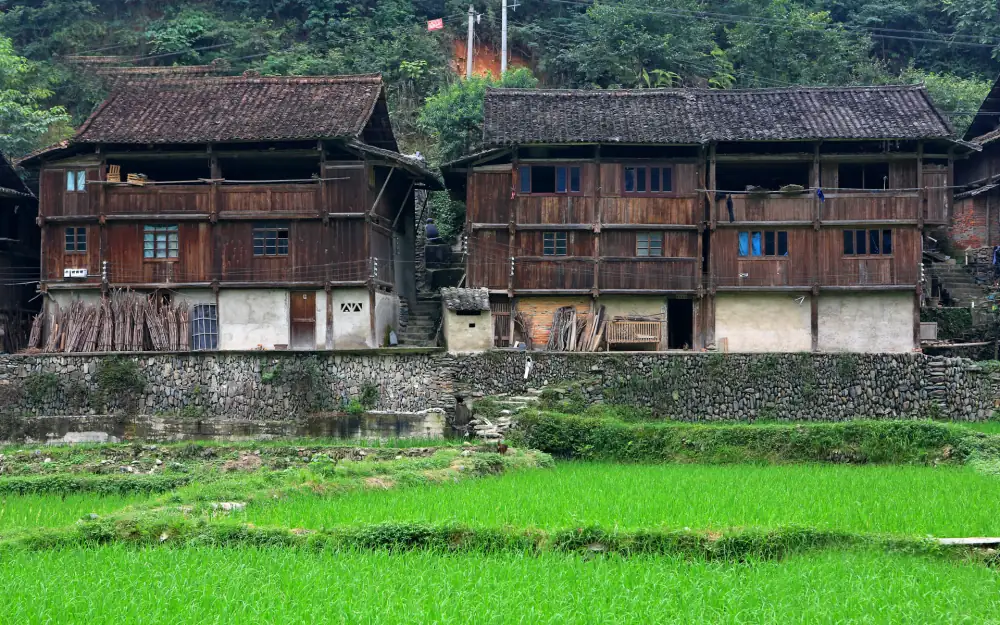
Since Cun Chao went viral, Rongjiang has expanded its accommodation rapidly. Options range from budget guesthouses to new four-star hotels. Book well in advance, especially for match weekends. Many visitors choose to stay in nearby ethnic villages for a more immersive experience:
- Sanbao Dong Village (三宝侗寨, Sānbǎo Dòngzhài): a cluster of traditional Dong villages with drum towers and stilted wooden houses, just 10 minutes from the stadium.
- Zaiyong Village (栽勇村): a Miao village with homestays run by local families.
What to Eat
Rongjiang’s food is a highlight – spicy, sour, and aromatic, typical of Guizhou cuisine. Don’t miss:
- Sour Fish Soup (酸汤鱼, suān tāng yú): a tangy, chili-rich soup with fresh river fish.
- Rongjiang Rice Noodles (榕江卷粉, Róngjiāng juǎn fěn): thin rice rolls with minced pork, beansprouts, and chili sauce.
- Oil Tea (油茶, yóu chá): a savory tea with fried rice, peanuts, and ginger, popular among Dong people.
- Grilled Tofu (烤豆腐, kǎo dòufu): street-side skewers with spicy dip.
During match days, the area around the stadium becomes a giant food market – follow the crowds and smoke.
Match Day Experience
Tickets
Cun Chao matches are free – no tickets needed. Just show up and find a spot in the stands. Arrive early (at least 2 hours before kickoff) to get a good seat and enjoy the pre-match festivities. The atmosphere builds from late afternoon with music, dance, and food stalls.
What to Bring
- Cash (small bills): many vendors don’t accept cards or mobile payments.
- Sunscreen and hat: the stands are uncovered.
- Water: you can buy drinks inside, but queues can be long.
- Power bank: you’ll want to film and share.
- Passport: always carry it for any checks.
Etiquette
- Respect local customs: if you’re invited to join a dance or try a costume, go for it – locals love sharing their culture.
- No smoking in the stands.
- Ask before taking close-up photos of people, especially elders.
- Cheer for both sides: the spirit is friendly and inclusive.
Beyond Football: Exploring Minority Culture
Rongjiang is the heart of Miao and Dong culture. Use your trip to explore:
Sanbao Dong Village
Just a short taxi ride from the stadium, this village is a living museum. Walk through the ancient drum tower (a symbol of Dong community), cross the wind-and-rain bridge, and visit local workshops where women weave Dong brocade and make batik (wax-resist dyeing). You can try your hand at batik – many studios offer short classes for around ¥50.
Zaiyong Miao Village
A 30-minute drive into the hills, Zaiyong is less touristy. Here you can see traditional Miao silverwork, taste homemade rice wine, and hike through terraced fields. The village also has a small museum on Miao customs.
Duliu River
For a relaxing afternoon, take a bamboo raft or small boat along the Duliu River (都柳江, Dūliǔ Jiāng). The river winds through karst peaks and past villages – a perfect contrast to the football frenzy.
Practical Tips for International Travelers

Payment
China is largely cashless. Download Alipay or WeChat Pay before you arrive, and link your international credit card. In Rongjiang, many small vendors still prefer cash, so keep some on hand (¥100-200). ATMs are available in the county center.
Language
Mandarin is spoken, but English is very limited. Download a translation app (e.g., Google Translate or Pleco) and consider hiring a local guide. Many young volunteers at Cun Chao speak some English and are happy to help.
Visa
Most foreigners need a tourist visa (L-visa) to enter China. If you’re transiting through a major city like Beijing, Shanghai, or Guangzhou, you may be eligible for 144-hour visa-free transit – check conditions carefully. For Guizhou, you’ll need a full visa.
Connectivity
Buy a Chinese SIM card at the airport or use an eSIM. VPN is required to access Google, Facebook, WhatsApp, etc. Set up a reliable VPN before you arrive.
Sample 3-Day Itinerary
Day 1: Arrival & Village Immersion
- Take high-speed train to Rongjiang.
- Check into a homestay in Sanbao Dong Village.
- Afternoon: explore the village, visit a batik workshop.
- Evening: dinner at a local family restaurant – try sour fish soup.
Day 2: Match Day
- Morning: hike or cycle to Zaiyong Miao Village.
- Lunch: street food near the stadium.
- Afternoon: explore the match-day market, watch pre-game performances.
- Evening: enjoy the Cun Chao match (7:30 PM start).
Day 3: Nature & Departure
- Morning: bamboo rafting on the Duliu River.
- Lunch: more local noodles.
- Afternoon: visit the Rongjiang County Museum (free, small but informative).
- Evening: train to your next destination.
Costs
Cun Chao is remarkably affordable. Here’s a rough daily budget:
| Item | Cost (per person) |
|---|---|
| Accommodation (homestay) | ¥100-200 |
| Meals | ¥50-100 |
| Local transport | ¥30-50 |
| Activities (batik class, boat) | ¥50-100 |
| Total | ¥230-450 |
Final Thoughts
Cun Chao is not just a football league – it’s a celebration of community, culture, and the simple joy of play. For travelers seeking an authentic, off-the-beaten-path experience in China, Rongjiang offers something rare: a chance to be part of a grassroots movement that has captured the world’s imagination. Whether you’re a football fan, a culture enthusiast, or just curious, the Village Super League will leave you cheering.
For more on exploring China’s ethnic minority regions, see our Southwest China travel guide. And if you’re planning a longer trip, check out our Guizhou itineraries.