
Chengdu has a reputation as a hotpot city, and while that’s fair, it undersells what’s happening in this place. Chengdu has been designated a UNESCO Creative City of Gastronomy, and the food culture runs far deeper than the bubbling red pots. The street snack tradition, the home-cooking dishes, and the mid-range restaurant scene are all equally serious. Hotpot is just the part that travels well in marketing.
Table of contents
Open Table of contents
Understanding Sichuan Spice: Mala vs Hot
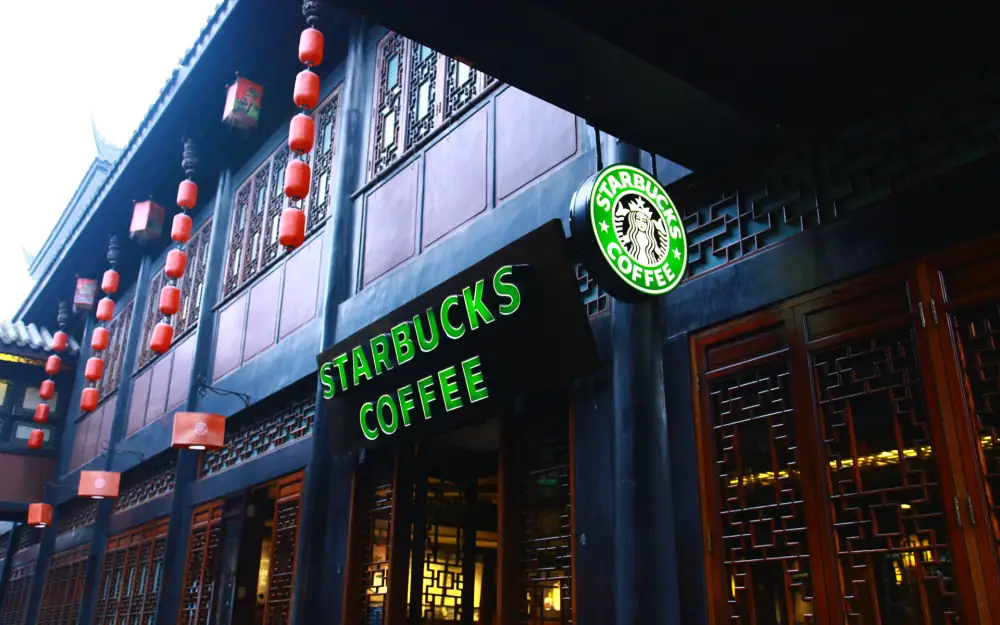
Before getting into specific dishes, it helps to understand what mala (麻辣) actually means. “Ma” (麻) refers to the numbing sensation from Sichuan peppercorns (花椒, huājiāo) — not heat, but a buzzing, tingling sensation that makes your lips feel slightly electric. “La” (辣) is the standard chilli heat.
The combination creates a unique flavour profile that’s simultaneously numbing and burning. Many visitors expect pure heat and are surprised by the numbness.
What this means practically: Some dishes that look intensely red and intimidating (like fuqi feipian) are mostly flavour with moderate heat. Some dishes that look mild (like a gong bao chicken with fresh chillies) have more bite than expected. Your tolerance will calibrate after a day or two.
Mapo Tofu (麻婆豆腐)
Mapo tofu is one of the most copied Chinese dishes in the world, and one of the most consistently wrongly-made. The real version — the Chengdu original — is a dish of soft silken tofu in a fiery, oily sauce of fermented black bean paste, doubanjiang chilli paste, minced beef (or pork), and a generous amount of Sichuan peppercorn. The sauce should be deep red, have a distinct sheen of oil, and deliver both the chilli heat and the peppercorn numbness.
The tourist trap version is pale, sweet, and has approximately none of the character. You can tell from looking at it.
Where to eat it: Chen Mapo Tofu Restaurant (陈麻婆豆腐), the original in Qingyang District — the dish is named after a woman (mapo means “pockmarked old woman”) who invented it here in the 19th century. It costs ¥25-35 per portion, enough for one as a main with rice. The tourist area versions on Jinli Street charge double and deliver half the flavour.
Dan Dan Mian (担担面)
Dan dan noodles (担担面) are Chengdu’s most famous everyday dish — thin noodles in a sauce of chilli oil, sesame paste, Sichuan pepper, preserved vegetables (芽菜, yácài), and minced pork. The name comes from the carrying poles (担担, dandan) street vendors used to balance the pot at one end and the bowls at the other.
At most restaurants you get a relatively small bowl — dan dan mian is often an accompaniment to other dishes rather than a standalone meal. ¥8-18 per bowl at local noodle shops.
The spice level: The authentic version has a genuine kick. Most restaurants will modulate the chilli on request (less spicy, 少辣 shǎo là).
Where to go: Any old-school noodle shop in Chengdu’s residential districts. Avoid the Jinli/Kuanzhai tourist strip prices (¥30-45 for the same bowl). Ask your hostel staff.
Zhong’s Dumplings (钟水饺)

Zhong Shui Jiao (钟水饺) is a Chengdu institution — boiled dumplings served in a sauce of sweet soy, chilli oil, and garlic. The filling is pure lean pork without vegetables, which gives a denser, meatier result than the standard jiaozi. The sweetness in the sauce distinguishes Sichuan-style dumplings from the vinegar-heavy Northern Chinese style.
The original Zhong Shui Jiao restaurant has multiple branches across Chengdu. A portion of 10 dumplings is ¥20-28. Local competitors serve very similar dumplings at slightly lower prices.
Twice-Cooked Pork (回锅肉, Huí Guō Ròu)
Twice-cooked pork is the quintessential Sichuan home-cooking dish that doesn’t often make it onto tourist-focused menus. Pork belly is first boiled whole, then sliced and returned to a hot wok with doubanjiang chilli paste, fermented black bean, garlic sprouts (蒜苗, suànmiáo), and Sichuan pepper.
The “twice-cooked” refers to the two cooking methods: the initial boiling sets the pork, the wok fry chars and seasons it. The result is chewy, slightly crispy at the edges, intensely savoury, and best eaten over a big bowl of plain rice.
Cost: ¥35-65 at local restaurants, ordered as one dish among several at a shared table. Ask for it at any traditional Sichuan restaurant.
Fuqi Feipian (夫妻肺片): Cold Offal Salad
Fuqi feipian (夫妻肺片, literally “husband and wife offal slices”) sounds more alarming than it is. The dish is thinly sliced beef offal (tongue, tripe, head meat) and sometimes beef itself, served cold under a dressing of chilli oil, Sichuan pepper oil, sesame, peanuts, and scallion.
The name allegedly comes from a husband-and-wife street vendor team in 1930s Chengdu who perfected the recipe. “Feipian” used to mean offal literally, though modern versions often include quality beef cuts alongside or instead of organ meats.
Spice level: Despite the red oil, the flavour is more about the complex Sichuan spice profile than pure heat. The numbing peppercorn dominates. Many first-time visitors who approach it cautiously end up eating most of the plate.
Cost: ¥35-65 as a shared starter. Available at most Sichuan restaurants as a cold appetiser.
Street Snacks Around Kuanzhai Alley
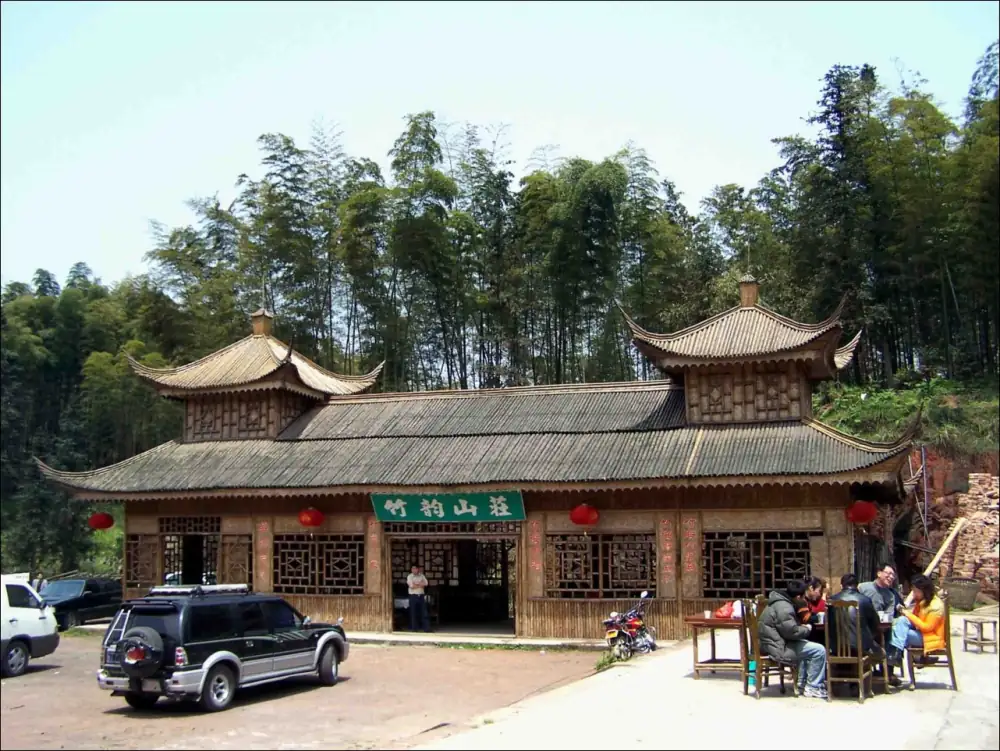
Kuanzhai Alley (宽窄巷子, Wide and Narrow Alley) is Chengdu’s most tourist-saturated area and also, confusingly, the best single concentration of traditional Sichuan street snacks in the city. The food here is expensive relative to side-street alternatives, but the variety in one place makes it useful for visitors with limited time.
What to eat:
Long chao shou (龙抄手) — Chengdu wonton soup. Large wontons in clear broth or red chilli broth. ¥18-28.
Bo bo ji (钵钵鸡) — cold chicken and various proteins/vegetables on bamboo skewers, dipped in a chilli and sesame dressing held in a communal pot. You pay per skewer at ¥2-5 each. One of Chengdu’s most fun foods.
Xue pao (雪炮) — puffed rice crackers coated in sweet and sour sauce, sold by weight. Crunchy, addictive, ¥10-20 for a bag.
San da pao (三大炮) — three rounds of sticky rice pounded and thrown at a metal target (for the theatrical sound), then rolled in sesame and bean paste. The performance is the point. ¥15-20.
Caution: The Kuanzhai Alley strip charges 50-100% more than off-tourist prices. If you want the same food cheaper, the residential lanes around Wuhou Shrine and Jinsha Site Museum area have comparable snack stalls at more honest prices.
Gong Bao Chicken (宫保鸡丁)
The most internationally known Sichuan dish deserves mention because the original is significantly better than the versions that travelled abroad. Gong bao ji ding is diced chicken stir-fried with dried red chillies, Sichuan pepper, peanuts, and a sauce of soy, vinegar, and sugar. The wok technique is key — the chicken should be velvety from a cornstarch marinade, the chillies fragrant rather than bitter, the sauce balanced between savoury, sour, and slightly sweet.
Cost: ¥40-65 at a mid-range restaurant. The dish originated with a Qing dynasty governor of Sichuan — ordering it here feels appropriate.
Where to Eat in Chengdu: Practical Areas
Jinjiang District — highest concentration of traditional Sichuan restaurants. Less flashy than tourist areas, more reliable.
Kuanzhai Alley / Taikoo Li — for variety and convenience. Pay tourist premium.
Wuhou District near Shrine — more local, family restaurants. Good for lunch.
Chunxi Road area — commercial district with food courts and chains. Useful for quick eating.
Cost reality check:
- Street breakfast: ¥8-20
- Dan dan mian or noodle lunch: ¥15-30
- Shared mid-range restaurant dinner: ¥70-150 per person
- Kuanzhai tourist strip snacks: ¥15-45 per item
Chengdu is significantly cheaper than Beijing or Shanghai for equivalent food quality. A proper shared dinner at a good local restaurant should cost ¥80-120 per person all-in.