
Table of contents
Open Table of contents
Day 1: Giant Pandas and Jinli Street
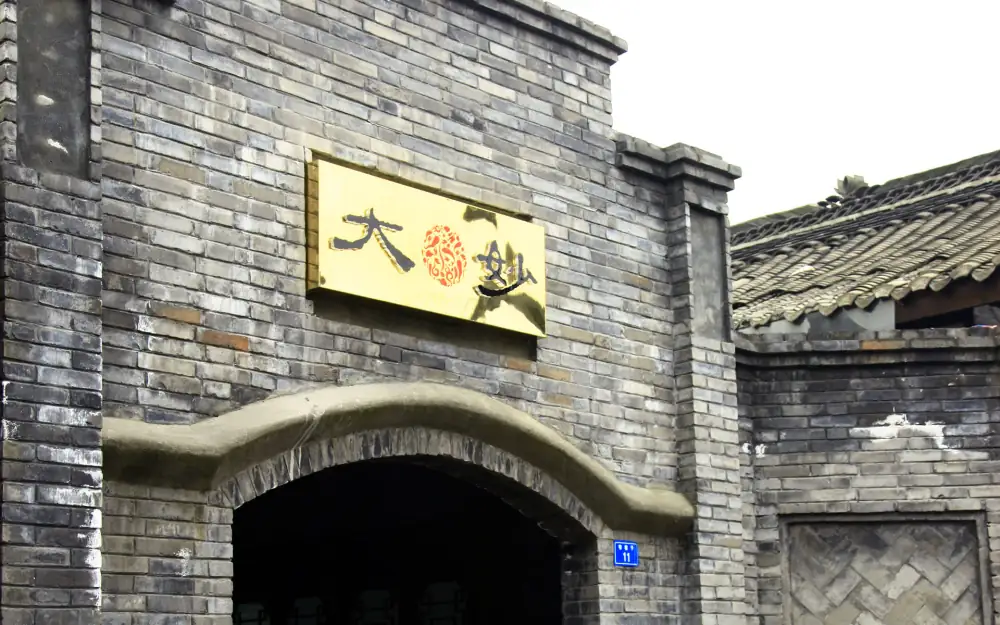
Morning: Chengdu Panda Base (7:00–11:00am)
The Chengdu Research Base of Giant Panda Breeding (成都大熊猫繁育研究基地) is the essential Chengdu experience and is genuinely excellent. It’s not a zoo — it’s a dedicated research and conservation facility where animals live in spacious, bamboo-rich enclosures. The focus on welfare shows.
Getting there:
- Metro Line 3 to Panda Avenue Station (大熊猫基地站), then 5-minute free shuttle bus. Total: 40 minutes from city center.
- DiDi taxi: about 25 minutes from central Chengdu, ¥30–40.
Tickets: ¥80/adult. Must book in advance online (the official WeChat mini-program 成都大熊猫繁育研究基地). Print or show digital ticket at entry. Peak season (spring and autumn) books up 2–3 weeks ahead.
Opening hours: 7:30am–6pm. Crucial advice: Arrive at opening (7:30am). Giant pandas are most active in the morning (they feed between 8–10am) and sleep in the afternoon. Morning visits see active, eating, rolling pandas. Afternoon visits see sleeping lumps.
What to see:
- Giant Panda Enclosures (大熊猫区): Multiple enclosures with different age groups. The nursery area (when baby pandas are present, usually September–November) is extraordinarily popular.
- Red Panda Enclosure (小熊猫区): Red pandas are smaller, more active, and often underrated. They run free-range in some areas, crossing paths between trees. Delightful.
- Panda Hospital: Occasionally viewable, shows the medical care aspect of conservation.
Photography: Morning light under the bamboo canopy is excellent. The pandas eating bamboo make for strong images. The challenge is shooting through mesh/glass — get there early when crowds haven’t formed in front of the viewing areas.
Does not include: The “hug a panda” experience once offered at this base was discontinued. Legitimate VIP programs (volunteer days, behind-the-scenes visits) are available for advance booking at significant extra cost (¥1,800–3,500/person).
Lunch: Near the Panda Base (11:30am)
Several restaurants operate near the panda base entrance. For the first authentic Chengdu meal:
- Dan Dan Noodles (担担面): The iconic Chengdu street food — thin wheat noodles with chili oil, sesame paste, minced pork, and fermented mustard greens. ¥12–18.
- Mapo Tofu (麻婆豆腐): Silken tofu in a fiery red sauce of doubanjiang (fermented bean paste), ground pork, and numbing Sichuan pepper. ¥15–25.
Afternoon: Jinli Ancient Street and Wuhou Shrine (2:00–5:30pm)
Wuhou Shrine (武侯祠): The memorial complex dedicated to Zhuge Liang (诸葛亮), the renowned strategist of the Three Kingdoms period (3rd century CE). The temple complex has excellent statuary and historical exhibits on the period. Entry: ¥50.
Jinli Street (锦里古街): Adjacent to the Wuhou Shrine, this reconstructed street market is touristy but useful — it concentrates many of Chengdu’s street foods in one place, with traditional crafts shops and a pleasant evening atmosphere. Good for an introduction to Sichuan food in a single location.
Essential Jinli street foods:
- Rabbit head (兔头): A Chengdu delicacy — spiced rabbit heads braised and eaten by picking the meat off with your teeth. An acquired taste but worth trying. ¥8–12 each.
- Bowl chicken (钵钵鸡): Skewered meats and vegetables in cold sesame-chili sauce. ¥3–8 per skewer.
- Longchaoshou wonton soup (龙抄手汤): Delicate pork wontons in clear broth. ¥18–25.
Evening: Hotpot Dinner (7:00pm)
Chengdu hotpot is not the same as Chongqing hotpot — it’s generally considered slightly less intense (though still serious), and the dipping sauce culture is more developed. Pick a reputable restaurant:
- Haidilao (海底捞): The national chain originated in Chengdu. Famous for service theater (free manicures, noodle-pulling performances, etc.) and reliable quality. Long waits on weekends. ¥80–120/person.
- Local hotpot restaurant without the fame premium: Ask your hotel for a recommendation in the local neighborhood. ¥50–80/person, often better broth.
The dipping sauce (蘸料): Assemble your dipping sauce at the self-service station — sesame oil base, minced garlic, minced ginger, fermented tofu, and various other aromatics. This sauce is what separates Chengdu hotpot from other regional versions.
Day 2: Leshan Giant Buddha (Full Day Trip)
The Leshan Giant Buddha (乐山大佛)
The Leshan Giant Buddha (乐山大佛) is the world’s largest stone Buddha at 71m tall — carved into the cliff face of Lingyun Mountain at the confluence of three rivers south of Leshan. Construction took 90 years (713–803 CE) during the Tang Dynasty. The scale is difficult to comprehend until you stand next to his foot: it’s 8.5m long.
Getting to Leshan:
- High-speed train from Chengdu East Station (成都东站): 30 minutes to Leshan Station (乐山站), ¥30–40. Then bus or DiDi (20 minutes, ¥15–30) to the Giant Buddha scenic area.
- Organized day tour from Chengdu: ¥100–180/person, includes transport and entry. Most hotels offer these.
- Private car or DiDi charter: 1.5 hours drive, ¥350–500 for a round trip.
Giant Buddha entry: ¥90/person. The descent route along the Buddha’s side is the most dramatic — stone stairs carved into the cliff bring you from the Buddha’s head down to his feet while the scale gradually becomes comprehensible.
The boat view: A boat ride around the Buddha from river level (¥70/person, 30-minute circuit) gives the only view of the complete figure from head to foot. The impression of a human form sitting calmly in the cliff above three rivers is powerful from the water.
Best photography: The official viewpoint across the river (reached by crossing the bridge and hiking 20 minutes) gives the full-frontal view of the Buddha. This requires exiting the paid scenic area; check timing.
Leshan Town Food
Leshan has its own food tradition distinct from Chengdu:
- Leshan Pot Sticker Tofu (乐山钵钵鸡): Their version of the skewered cold dish is particularly good.
- Leshan Mao Xue Wang (毛血旺): A spicy mixed offal soup that’s one of Sichuan’s boldest dishes. ¥30–50.
Return to Chengdu
Return by HSR or car. Evening in Chengdu.
Day 3: Chengdu Culture — Teahouse, Kuanzhai Alley, and Farewell Hot Pot

Morning: Renmin Park Teahouse (人民公园茶馆) (8:00–10:30am)
The teahouse culture of Chengdu is genuine and ancient — not a tourist performance but a daily social institution where Chengdu people spend hours drinking tea, getting their ears cleaned (yes, ear-cleaning is a traditional Chengdu teahouse service, ¥30–50), talking, playing cards, and watching the world.
Renmin Park (People’s Park) has the most accessible traditional teahouse. Arrive early morning when the clientele is predominantly local. Order a pot of tea (¥20–35), sit in a bamboo chair, and practice the Chengdu art of sitting without purpose.
The tea: Green tea and jasmine tea are the most common orders. Gaiwan service (a lidded cup with saucer) is the traditional form.
Ear cleaning: The itinerant ear-cleaning services that circulate through the park are a Chengdu institution. A metal probe with a cotton or feather tip, skilled hands, and 15 minutes of intimate attention to your ear canal. Surprisingly pleasant. ¥30–50.
Late Morning: Kuanzhai Alley (宽窄巷子) (10:30am–12:30pm)
Kuanzhai Alley (literally “Wide and Narrow Alleys”) is a renovated historic neighborhood with three parallel lanes of traditional Qing Dynasty residential architecture now housing upscale restaurants, teahouses, cafes, and shops. More gentrified than a traditional neighborhood but genuinely beautiful architecture, and the mix of traditional building forms with modern uses is done with more care than most similar projects.
Wide Alley (宽巷子): Upscale restaurants and lifestyle shops in traditional courtyard buildings Narrow Alley (窄巷子): Cafes, teahouses, boutique accommodation Well Alley (井巷子): More casual, street food focus, good for a quick lunch
Photography: The stone-paved lanes with traditional tiled rooflines are most atmospheric in morning or evening light.
Lunch: Chengdu Street Food Deep Dive (12:30pm)
The area around Kehua North Road (科华北路) and the Sichuan University neighborhood has an excellent density of authentic Chengdu food:
- Fuqi Fei Pian (夫妻肺片): Cold sliced beef and offal in chili-sesame sauce. ¥25–35. One of Chengdu’s most beloved dishes.
- Zhong Dumplings (钟水饺): The original Zhong dumpling — small pork dumplings in sweet-hot chili sauce, with chili more predominant than spice. ¥12–18.
- Liangfen (凉粉): Cold starch jelly noodles with chili and soy sauce. A cooling lunch dish.
Afternoon: Chengdu Museum or Giant Panda Research Center (2:00–5:00pm)
Option 1: Chengdu Museum (成都博物馆) — free entry, one of the best municipal museums in China with an extraordinary permanent collection covering Chengdu’s 2,500-year history. Strong on Three Kingdoms material and the cultural heritage of the Ba-Shu civilization. Allow 2–3 hours.
Option 2: Second morning at the Panda Base — get tickets for an afternoon visit if weather permits.
Farewell Dinner: Authentic Sichuan Restaurant
End with a full traditional Sichuan meal rather than hotpot:
- Gong Bao Ji Ding (宫保鸡丁): The original kung pao chicken — stir-fried chicken with Sichuan pepper, dried chilies, and peanuts. ¥45–65.
- Yu Xiang Qie Zi (鱼香茄子): Eggplant in garlic-ginger-chili sauce that contains no fish (the name refers to the cooking style originally used for fish). ¥35–45.
- Twice-Cooked Pork (回锅肉): Pork belly first boiled then stir-fried with leeks and doubanjiang. ¥40–55.
Best area for dinner: The Sichuan Normal University area or Jiuyan Bridge (九眼桥) bar and restaurant district.
Practical Information
Getting to Chengdu:
- From Beijing: 3 hours by flight or 7.5 hours by HSR
- From Shanghai: 2.5 hours by flight or 9 hours by HSR
- From Chongqing: 1.5 hours by HSR (very frequent trains)
- From Xi’an: 3 hours by HSR
- Chengdu Tianfu International Airport (TFU) or Shuangliu Airport (CTU): Both serve Chengdu
Getting around: Metro Lines 1, 2, 3, 4, 6, 7, and 9 cover the main city. Taxi base ¥8; DiDi widely used.
Best seasons: Spring (March–May) and Autumn (September–November). Chengdu is famously overcast year-round — “the dogs bark when they see the sun” goes the local saying. This actually makes for comfortable temperatures without harsh sun.
Language: Chengdu dialect is distinctive but Mandarin universal. Some English in major hotels and tourist areas.
Chengdu is a city that takes care of itself — and its visitors. The combination of world-class conservation work, genuinely great food, and that unhurried pace makes it one of the most enjoyable urban experiences in China.