
Hong Kong moves fast and rewards people who move with it. Three days is enough to get under the surface — past the tourist harbor views and into the dai pai dong street food scene, the hillside hiking trails above the city, and the layers of East-meets-West culture that make this city genuinely unique. Unlike mainland China, Hong Kong runs on a different infrastructure: Octopus cards instead of WeChat Pay, traditional characters instead of simplified Chinese, left-hand traffic, and more English than you’d expect.
This itinerary divides the city by area — Kowloon on Day 1, Hong Kong Island on Day 2, and Lantau or the New Territories on Day 3.
Table of contents
Open Table of contents
Before You Arrive
Getting there: Hong Kong International Airport (HKG) on Lantau Island connects globally. The Airport Express to Kowloon Station takes 19 minutes (HK$100) and to Hong Kong Station (Central) takes 24 minutes (HK$115). It’s fast and frequent. Taxis cost HK$300-400 to Kowloon, HK$400-500 to Central.
From mainland China: High-speed rail from Guangzhou South to West Kowloon Terminal takes 50 minutes (¥215/HK$250). Trains from Shenzhen North take 16 minutes (¥90). The cross-border coaches from Shenzhen Bay Port are also cheap (HK$50-80) if you’re in no hurry.
Octopus Card: Get one at the airport immediately. It works on the MTR, buses, trams, Star Ferry, and many convenience stores. Top it up at MTR stations. Indispensable.
Currency: Hong Kong Dollar (HKD). Credit cards are widely accepted. ATMs are everywhere. Exchange rate approximately HK$8-9 per US dollar.
Data: Hong Kong has separate roaming agreements from mainland China — a China SIM may not work or may cost extra. Get a Hong Kong local SIM at the airport (HK$50-80 for 7 days unlimited) or a separate Hong Kong eSIM.
Day 1: Kowloon — Markets, Street Food & Harbour Views
Morning: Mong Kok Street Markets
Mong Kok (旺角) is Hong Kong’s most densely populated neighborhood — a grid of street markets, shopping malls, and traditional shops stacked vertically and horizontally. Start at the Ladies’ Market (女人街, open 11am-11pm) on Tung Choi Street — hundreds of stalls selling clothing, accessories, and electronics. Prices are negotiable and starting prices for tourists are always inflated by 50-100%.
One block away, Goldfish Market (金魚街) on Tung Choi Street’s northern extension is a fascinating stretch of shops dedicated entirely to aquarium fish and accessories — a genuinely Hong Kong thing.
Flower Market (花墟) on Prince Edward Road West and the adjacent Bird Market (雀仔街) are a 10-minute walk north. Both are authentic local institutions, busiest on weekend mornings.
MTR: Mong Kok Station (Lines: Tsuen Wan, Kwun Tong).
Breakfast: Cha Chaan Teng (茶餐廳, Hong Kong-style café) — order milk tea (奶茶), a pineapple bun (菠蘿包) with butter, and either congee or instant noodles with egg. This is what Hongkongers eat every morning. Cost: HK$30-55.
Afternoon: Tsim Sha Tsui (TST)
Head south along Nathan Road to Tsim Sha Tsui (尖沙嘴). The Avenue of Stars (星光大道) on the Kowloon waterfront has been renovated and is a pleasant promenade with views across to Hong Kong Island. The Hong Kong Museum of History (香港歷史博物館, free) on Chatham Road has an excellent and honest permanent exhibition on Hong Kong’s development.
The Kowloon Park (九龍公園) is a free green oasis — flamingos, topiary gardens, and a public swimming pool complex. Good for 30-45 minutes.
Temple Street Night Market (廟街夜市) opens from 4pm and runs until midnight. It’s touristy but lively — fortune tellers, Cantonese opera singers, Shanghainese restaurant stalls, and jade sellers. Eat dinner here: typhoon shelter crab (避風塘炒蟹, HK$150-250), clay pot rice (煲仔飯, HK$60-80), or just roam the food stalls for char siu (BBQ pork) over rice (叉燒飯, HK$50-70).
Evening: Symphony of Lights
The Symphony of Lights harbor show runs every night at 8pm — buildings on both sides of the harbor illuminate with synchronized lasers and lights. Best viewed from the Tsim Sha Tsui waterfront promenade. Free. 15 minutes. Worth seeing at least once.
Day 2: Hong Kong Island — Victoria Peak, Central & Aberdeen
Morning: Victoria Peak
Take the Peak Tram (山頂纜車, HK$55 one-way, HK$85 return) from Central (Garden Road) to Victoria Peak (太平山). The tram has run since 1888 and the 8-minute ride on a 27-degree incline is a Hong Kong institution.
At the summit (396m), the Peak Tower houses a viewing terrace (Skytrace 428, HK$45) — the best 360° view of the city, harbor, and outlying islands. On clear days you can see across to Lantau. On hazy days, the city lights make it more atmospheric at night.
Better option: Walk 15 minutes from the tram terminus to the Lions Pavilion viewpoint — free, slightly lower, and less crowded than the commercial Tower viewing decks. The view is nearly as good.
The Lugard Road loop from the Peak summit is a 3.5km loop with excellent views all the way around — allow 1 hour, no significant hills.
MTR to the Peak Tram: Central Station (Lines: Island, Tsuen Wan), then walk uphill 10 minutes along Garden Road to Lower Tram Terminus.
Midday: Central & Sheung Wan
Walk down to Central via the Central-Mid-Levels Escalator (中環至半山扶梯) — the world’s longest covered outdoor escalator system (800 meters). It runs uphill from 10am to midnight, downhill 6-10am. Walk down alongside it or take it up into the SoHo restaurant and bar district.
Sheung Wan (上環) is older and more traditional — Hollywood Road has antique shops, art galleries, and the famous Man Mo Temple (文武廟, free) which has been in continuous use since 1847. The temple interior is thick with incense coils hanging from the ceiling. Give your eyes time to adjust.
Lunch: Western market food court in Sheung Wan, or the wet market restaurants around Graham Street Market (above Central MTR) for genuine local dai pai dong (open-air cooked food stall) food at HK$50-80.
Afternoon: Aberdeen & Ap Lei Chau
Aberdeen (香港仔) is a 20-minute taxi (HK$80) or bus (Route 70 from Central Exchange Square) from Central. It’s a working harbor with one of Hong Kong’s last traditional fishing village communities. The Aberdeen Promenade is pleasant; the famous Jumbo Kingdom floating restaurant has permanently closed, but smaller seafood restaurants in the harbor area are still operating.
Take a sampan tour of the typhoon shelter (HK$60-80, negotiate with operators at the pier) to see the houseboats and fishing vessels up close.
Ap Lei Chau (鴨脷洲) across the bridge from Aberdeen is where Hong Kong’s furniture and outlet shopping is concentrated. Less interesting for most visitors, but the canal-side hawker stalls serve good fresh seafood.
Day 3: Lantau Island — Big Buddha & Tai O
Morning: Ngong Ping & Big Buddha
Take the MTR Tung Chung Line to Tung Chung, then the Ngong Ping 360 Cable Car (昂坪360, HK$230 standard return, HK$300 crystal cabin with glass floor) across the mountains to the Ngong Ping plateau. The 25-minute cable car ride over Lantau’s hills is genuinely beautiful.
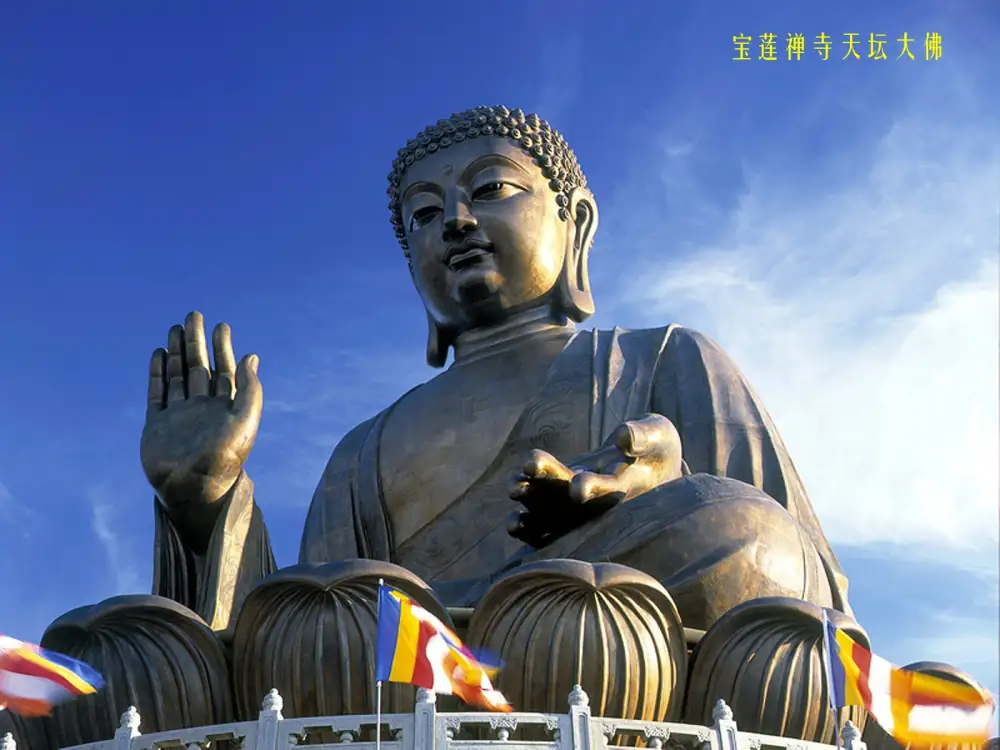
At Ngong Ping: Tian Tan Buddha (天壇大佛, free to view, HK$30 to climb the 268 steps to the base) is a 34-meter bronze seated Buddha visible from far away. The Po Lin Monastery (寶蓮禪寺, free) next door is an active monastery with a vegetarian restaurant (HK$100 for a set lunch — recommended).
Allow 2-3 hours.
Afternoon: Tai O Fishing Village
Tai O (大澳) is a traditional fishing village on Lantau’s western shore — famous for its stilt houses built over the water. Accessible by bus (Route 21 from Ngong Ping, 30 minutes) or taxi (HK$80).
Tai O is authentic in a way most of Hong Kong’s heritage sites aren’t. The stilt house community still functions as a fishing village; the shrimp paste (虾膏) made here is renowned across Guangdong. Walk the narrow canal-side lanes, eat fresh seafood, and take a dolphin-watching boat trip (HK$50-80, 30 minutes) to spot the Chinese White Dolphins in the channel.
Returning to the city: Bus 11 from Tai O to Tung Chung (45 minutes, HK$10), then MTR back to Kowloon or Central.
Practical Information
| Item | Cost (HKD) |
|---|---|
| Peak Tram return | HK$85 |
| Ngong Ping Cable Car return | HK$230-300 |
| Tian Tan Buddha climb | HK$30 |
| Temple Street dinner | HK$60-150 |
| Cha Chaan Teng breakfast | HK$30-55 |
| MTR single journey | HK$4-20 |
| Octopus Card (initial purchase) | HK$150 (HK$50 deposit + HK$100 value) |
| Budget guesthouse (Kowloon) | HK$300-600/night |
| Mid-range hotel | HK$800-1,800/night |
Best time to visit: October-December (dry, mild, clear). March-April is also good. May-September is hot, humid, and typhoon season — major typhoons can shut the city for 24-48 hours, though they’re usually predictable with 2-3 days notice.
Alternative Day 3: New Territories Hiking. If beaches and temples don’t appeal, the MacLehose Trail in Sai Kung Country Park is one of Asia’s great urban hiking destinations — dramatic coastal scenery 45 minutes from Kowloon by MTR and bus (HK$12). Stage 1 from Pak Tam Chung to Long Ke Wan beach is 10km of stunning coastal trail.