
Hubei Province sits at the heart of China — geographically, historically, and culturally. Wuhan is one of the country’s most vivacious cities, while Wudang Mountain is a UNESCO Heritage Site of Taoist temples dramatically perched on granite peaks.
Table of contents
Open Table of contents
Wuhan (武汉)
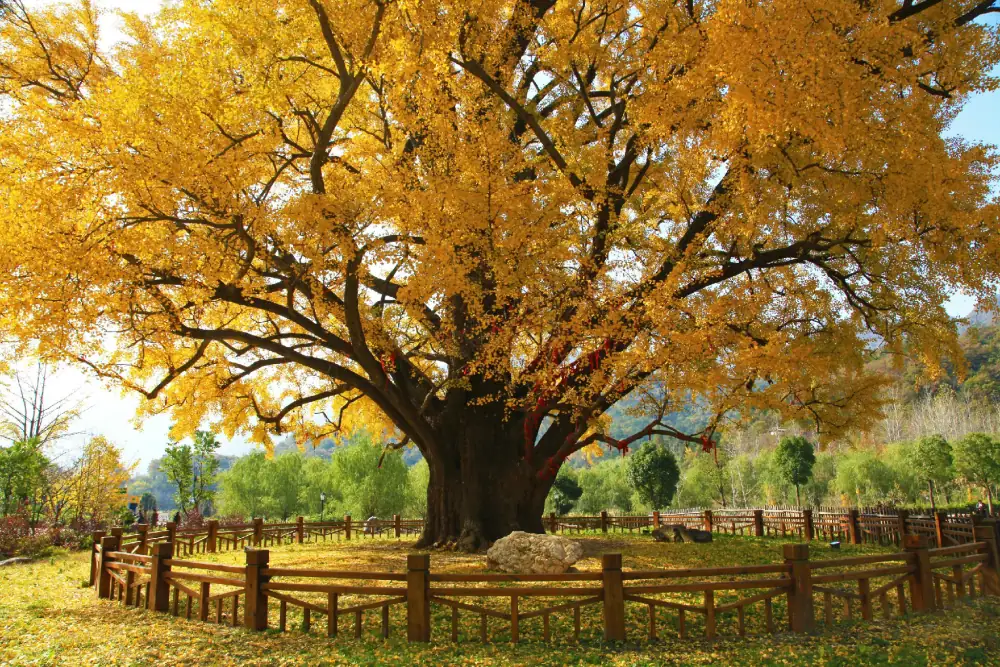
Wuhan (actually three merged cities: Wuchang, Hankou, and Hanyang) sits at the confluence of the Yangtze and Han Rivers — China’s greatest waterway junction, a fact that made it the commercial and transportation hub of central China for centuries.
Yellow Crane Tower (黄鹤楼)
China’s most poetic landmark — five dynasties of poets came here to gaze downriver and write verses about leaving and returning. The current tower (rebuilt 1985) stands on Serpent Mountain with panoramic views of the Yangtze bridge and city. Entry ¥70.
Wuhan University (武汉大学) Cherry Blossoms
The most famous cherry blossom destination in central China — the hillside campus of Wuhan University is planted with thousands of Japanese cherry trees. Peak bloom: mid-to-late March.
Note: During peak bloom, entry to the campus is controlled and requires advance registration. Arrive early morning for best light and fewer crowds.
East Lake (东湖)
China’s largest urban lake — 33 km² within the city. Cycling around the lake’s scenic greenway (绿道) is one of Wuhan’s great pleasures. The Cherry Blossom Garden at East Lake is another excellent spring blossom site.
Hubei Provincial Museum (湖北省博物馆)
One of China’s finest provincial museums — the collection from the Marquis Yi of Zeng tomb (433 BC) includes a spectacular set of bronze bells (编钟, biānzhōng) — 65 bells spanning 5 octaves, the most sophisticated musical instrument of the ancient world. Performance demonstrations daily. Free entry.
Wuhan Food Culture
Wuhan breakfast culture is taken very seriously — re gan mian (热干面, hot dry sesame noodles) is the city’s defining dish and the essential breakfast. Eaten standing at pavement stalls (¥8–¥12).
Other Wuhan specialties:
- Bean skin (三鲜豆皮) — crispy rice batter fried cake with sticky rice, eggs, and vegetables
- Duck neck (鸭脖) — Wuhan’s most famous snack brand Zhou Heiya (周黑鸭) originated here
- Lotus root soup (藕汤) — slow-cooked with pork ribs; a Wuhan comfort classic
Wudang Mountain (武当山)
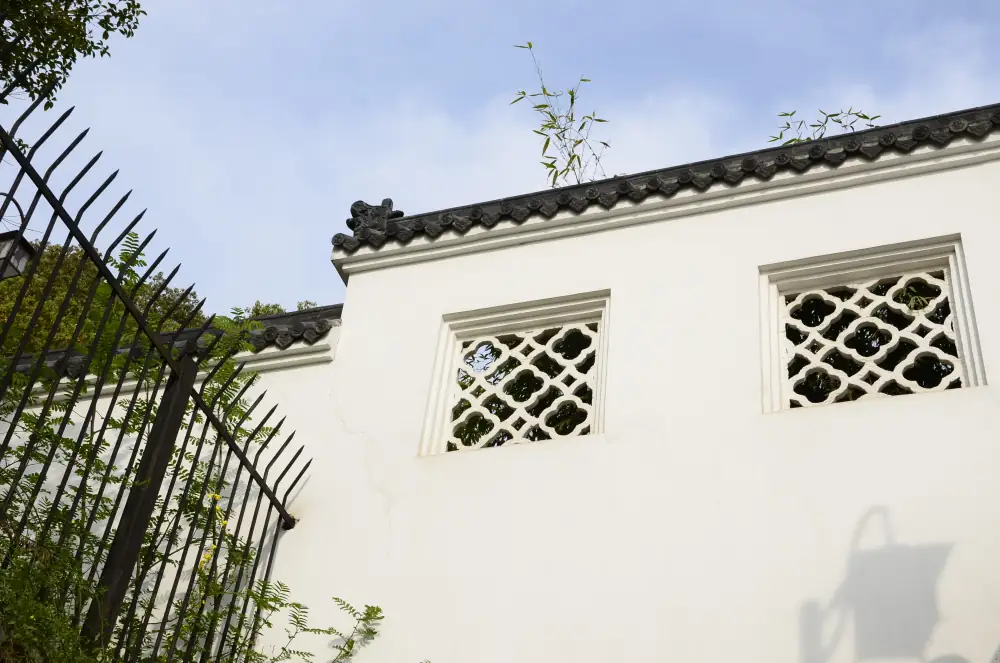
Wudang Mountain (武当山) is to Chinese Taoism what Shaolin Temple is to Buddhism — the spiritual home and birthplace of internal martial arts (internal kung fu, including tai chi and wudang sword style).
Getting There
Train from Wuhan to Danjiangkou (3.5 hours, ¥80) or Shiyan (3.5 hours, ¥100), then bus to Wudang Mountain scenic area (1 hour). Or direct bullet train from Wuhan to Wudang Mountain South (武当山站) — 1.5 hours on new line.
The Sacred Palaces
Golden Hall (金殿) — the peak of the highest mountain (1,612m); an entirely bronze hall built in 1416 and transported piece by piece to the summit. The panoramic view from here is one of China’s finest.
Purple Cloud Palace (紫霄宫) — the best-preserved Taoist palace complex; 200+ buildings on a forest-covered hillside, still inhabited by practising Taoist monks. Entry ¥27.
South Cliff Palace (南岩宫) — a temple complex dramatically cantilevered on a cliff edge, with a dragon-headed incense burner projecting over the void. Entry ¥15.
Yuzhen Palace (玉真宫) — a beautifully atmospheric complex surrounded by ancient cedar forests.
Martial Arts at Wudang
Wudang mountain is an active martial arts training centre — visitors can watch morning practice or enrol in short-term courses (1–7 days) in taichi, wudang sword, or qigong. Several guesthouses on the mountain offer martial arts-combined accommodation packages.
Shennongjia (神农架)
3 hours from Wuhan by bus — Shennongjia is one of China’s most extraordinary wilderness areas: a primeval forest covering a high plateau, home to rare golden snub-nosed monkeys, cloud leopards, and what many locals believe is the home of the Chinese Yeti (野人, yěrén).
The high-altitude meadows (1,800–2,000m) are accessible from May–October and offer dramatic scenery. Dalongtan National Forest Park is the main visitor area.