
Hunan Province (湖南) sits in China’s central south — a province of dramatic natural scenery, revolutionary history (Mao Zedong was born here), and one of China’s most beloved regional cuisines. It provides three extraordinary destinations within a few hours of each other.
Table of contents
Open Table of contents
Zhangjiajie (张家界) — The Avatar Mountains
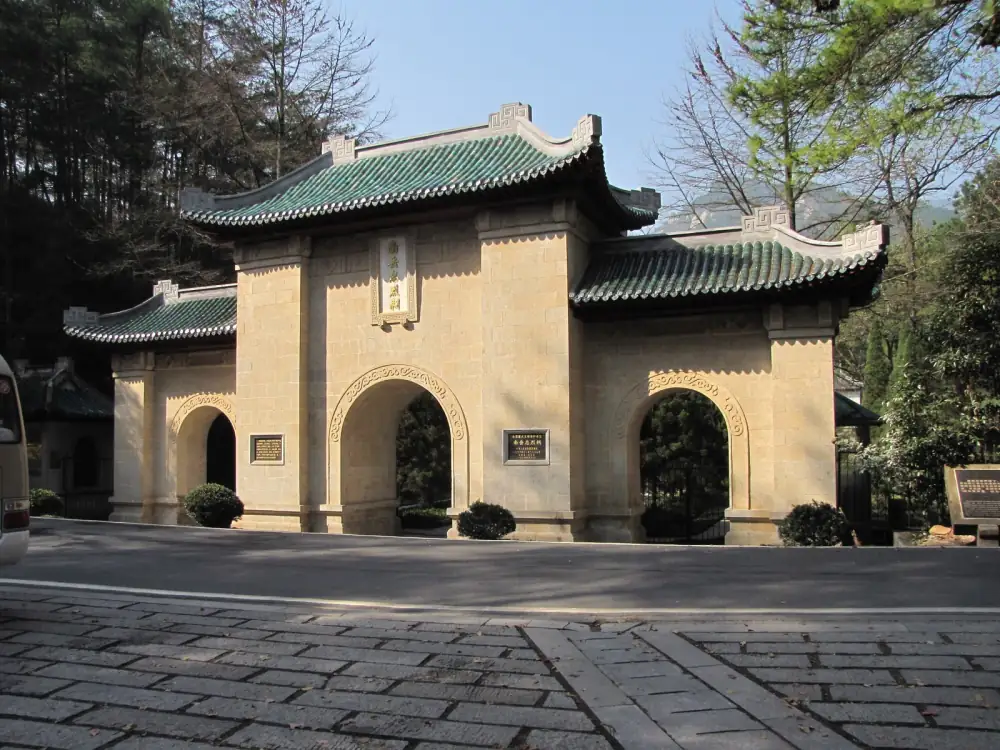
Wulingyuan Scenic Area (武陵源风景区) — UNESCO World Heritage
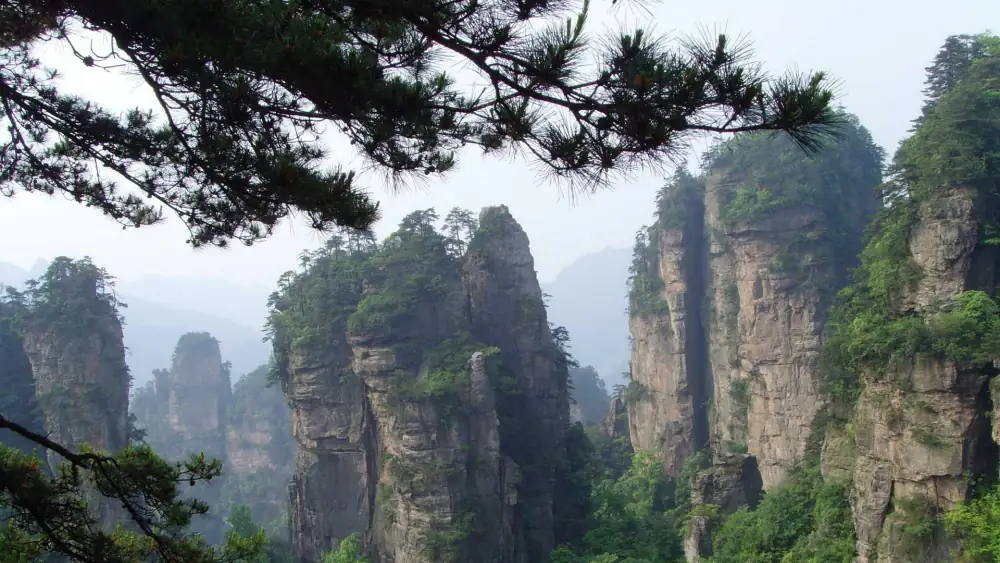
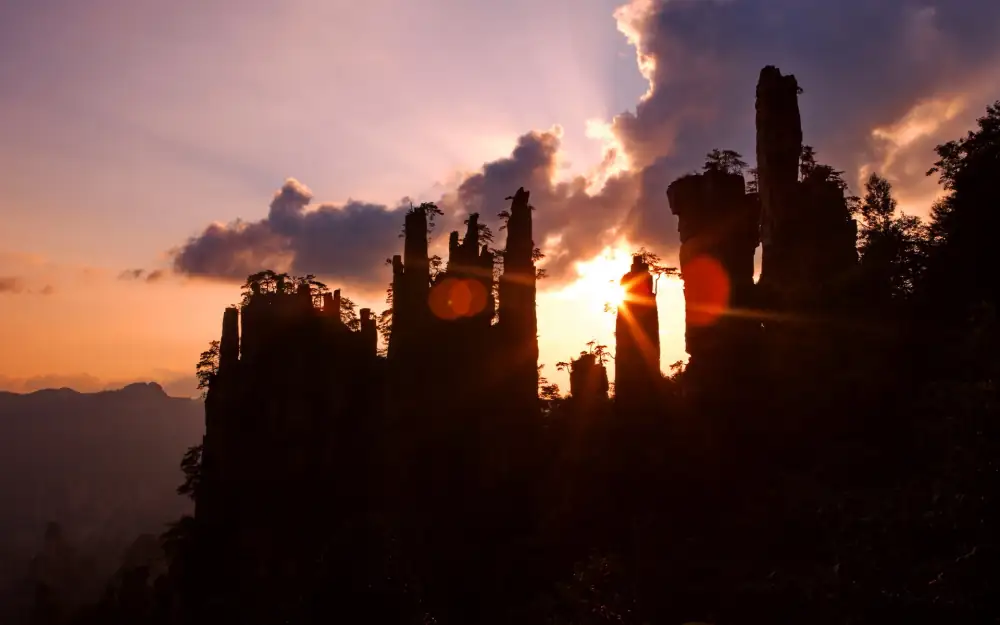
Over 3,000 quartzite sandstone pillars — some reaching 200+ metres — rising from a sub-tropical forest floor. The geological landscape that inspired James Cameron’s Pandora in Avatar (though Cameron denied it until pressed; the official connection is now acknowledged). Mist fills the valleys in the morning; clear skies reveal the full fantasy scale by afternoon.
Essential experiences:
Avatar Hallelujah Mountain (哈利路亚山 / 乾坤柱): The specific pillar renamed by the Chinese government to honour the Avatar connection. Best viewed from the Yuanjiajie (袁家界) plateau.
Tianmen Mountain (天门山): 11km from Zhangjiajie city — a separate mountain with its own extraordinary features: Tianmen Cave (天门洞), a natural arch in the cliff face at 1,264m, and the Glass Sky Walk along the cliff edge. Tianmen Mountain Road is a 99-bend road that appears in car advertisements worldwide. Cable car ascent from city: 30 minutes, one of the world’s longest.
Bailong Elevator (百龙天梯): The world’s highest and heaviest outdoor elevator — rises 326 metres inside a cliff face on external glass and steel. Entry to the elevator zone ¥72.
Golden Whip Stream (金鞭溪): A 7.5km valley floor trail through the most dramatic pillar landscapes — the forest floor is primeval with ancient trees and clear streams. 3 hours walking; quieter than the plateau routes.
Practical Info
Entry: Wulingyuan: ¥245 (3-day pass); Tianmen Mountain: ¥258 (cable car + entry)
Getting there: Zhangjiajie has a small airport; 5 hours by train from Changsha
Best time: April–June (green, misty); October–November (autumn colour, clearer)
Fenghuang Ancient Town (凤凰古城)
A 1,300-year-old Miao and Tujia minority town on the Tuojiang River — wooden stilt houses (吊脚楼) built directly over the water on timber piles, red paper lanterns strung between buildings, stone-paved lanes, and rainbow bridge gates.
Best experience: Walk the river embankment at sunset and after dark when the lights reflect in the river — one of China’s most photogenic night scenes.
Day activities: Batik printing workshops (蜡染), silverwork shopping (Miao silver jewelry), river boat rides, and hiking to the ancient city walls.
Accommodation: Stay inside the ancient town in a riverside stilthouse guesthouse for full atmosphere. ¥150–¥400/night.
Getting there: High-speed train from Changsha to Jishou (2.5 hours), then bus to Fenghuang (1 hour)
Changsha (长沙) — Spicy Food Capital
Changsha is rapidly emerging as one of China’s trendiest cities — a young, creative urban centre with extraordinary street food, an excellent contemporary art museum, and Mao Zedong’s revolutionary legacy.
Food Culture
Hunan (Xiang) cuisine is distinct from Sichuan — where Sichuan is numbing-spicy (mala), Hunan is pure fiery chilli heat (la). Changsha street food scene:
Stinky Tofu (臭豆腐): Changsha’s most famous export — deep-fried fermented tofu with a pungent smell and crispy-outside-creamy-inside texture. The smell can be smelled before it’s seen. Try on Pozi Street (坡子街).
Spicy Crayfish (口味虾): Night markets serve enormous quantities of these in bright red chilli sauce — messy, delicious, and very Changsha.
Tea Eggs, Lotus Root, and Rice Snacks: Changsha has the full spectrum of Hunan’s specialties.
IFS Mall Rooftop Giant Panda (长沙IFS)
On the roof of the IFS shopping mall — a giant climbing panda sculpture is Changsha’s most-photographed modern landmark. The best duck-face selfie backdrop in central China.
Yuelu Mountain (岳麓山) and Yuelu Academy
A forest hill in central Changsha with the Yuelu Academy (岳麓书院) at its base — China’s oldest continuously operating university, founded in 976 AD. The academy educated many of China’s most important reformers.
Mao Zedong’s Birthplace (韶山)
110km from Changsha — the village of Shaoshan where Mao was born in 1893. A significant pilgrimage site for older Chinese visitors; the small farmhouse and museum provide context for understanding modern China. Bus from Changsha South Station (2 hours).