
Inner Mongolia Autonomous Region spans an extraordinary arc of terrain from the Gobi Desert in the west to the lush Hulunbuir grasslands in the northeast — one of the most diverse and least-visited regions in China for international travellers.
Table of contents
Open Table of contents
Hohhot (呼和浩特) — The Blue City
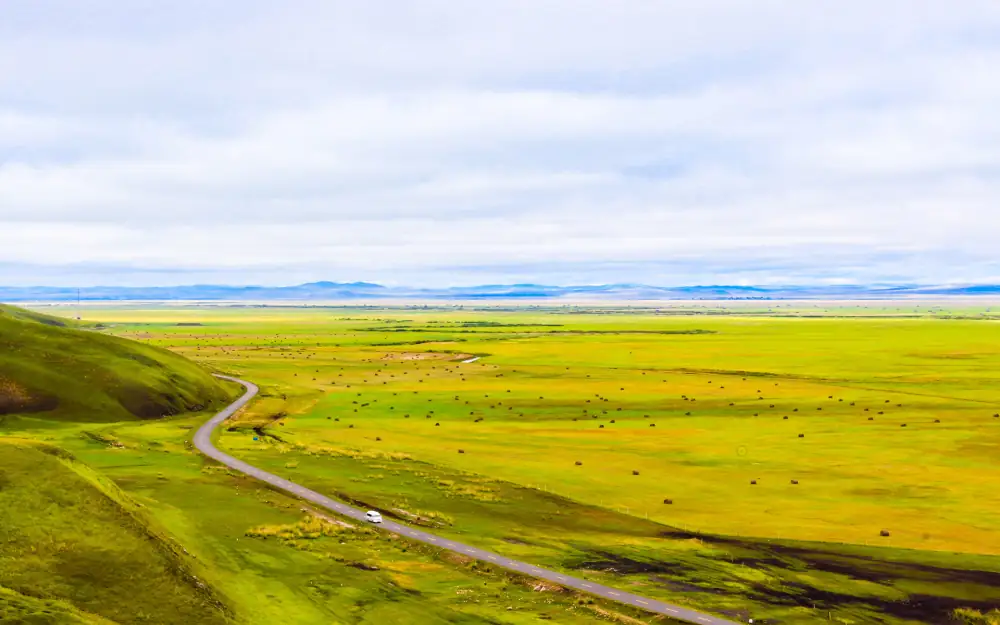
Hohhot (“Blue City” in Mongolian) is Inner Mongolia’s capital and the most practical base for grassland day trips.
Dazhao Temple (大召寺)
The largest Mongolian-style Lamaist temple in Hohhot — an active Buddhist monastery in the old city. The Great Hall contains a silver Buddha statue and is richly decorated in Mongolian Buddhist style.
Inner Mongolia Museum (内蒙古博物院)
Excellent natural history and cultural collection — dinosaur fossils from the Gobi Desert (remarkable collection), traditional Mongolian nomadic culture exhibits, and historical artifacts from the Mongol Empire period.
Muslim Quarter (清真大寺周边)
Hohhot has a significant Muslim (Hui) population. The Great Mosque (清真大寺) dates to the Qing Dynasty. The surrounding area has excellent lamb and mutton restaurants.
Hulunbuir Grassland (呼伦贝尔草原)
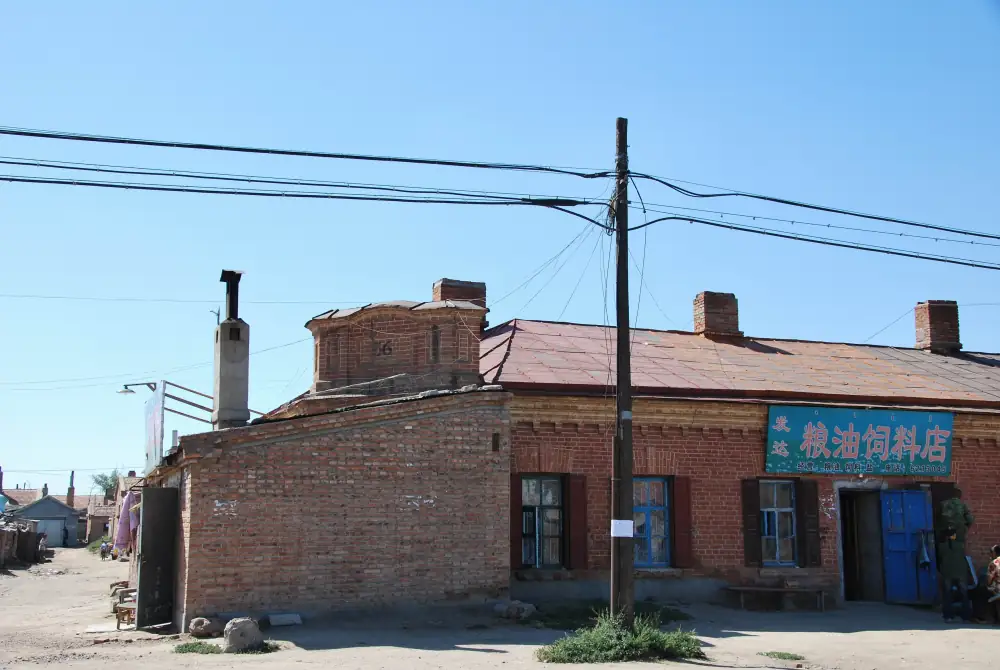
China’s most pristine grassland ecosystem — 93,000 square kilometres of rolling green steppe with the Moerge River winding through it in magnificent meanders.
Best Base: Hailar (海拉尔)
Fly from Hohhot (1.5 hours) or Beijing (2.5 hours). From Hailar, hire a car or join a grassland tour.
Naadam Festival (那达慕)
The traditional Mongolian summer festival — horse racing, wrestling (Bökh), and archery competitions. Spectacularly colourful, deeply cultural, and one of China’s most atmospheric festivals.
Dates: Late July to early August (exact dates vary annually)
Location: Major festivals at Hulunbuir and various grassland locations; also at Hohhot in early August
Yurt Stays
Staying in a traditional Mongolian yurt (蒙古包, měngǔbāo) on the open grassland is the quintessential Inner Mongolia experience. Most tourist yurts are run by local Mongolian families and include:
- Dinner: roasted lamb, mutton hotpot, fermented mare’s milk (马奶, mǎnǎi), butter tea (奶茶)
- Morning: horseback riding, archery lessons, singing
- Full night sky visibility away from light pollution
Price: ¥300–¥600 per person including meals
Erguna Wetlands (额尔古纳湿地)
The Erguna River forms the border with Russia. The wetlands here are extraordinary — the river meanders in spectacular oxbow loops visible from the Laoguishan viewpoint, one of China’s most impressive landscapes.
Resonant Sand Gorge (响沙湾) and Badain Jaran Desert
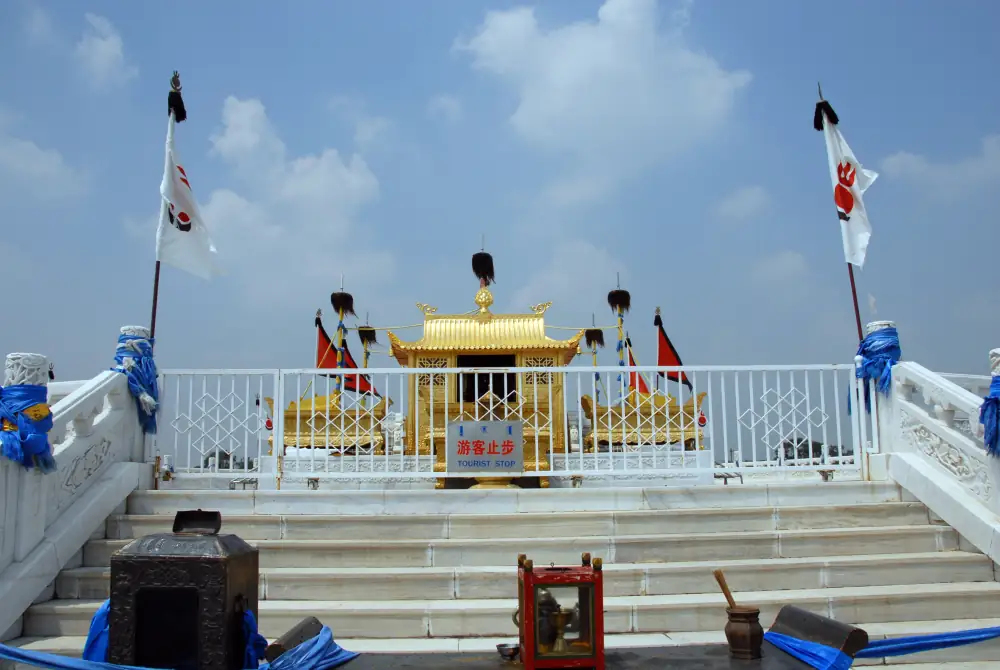
Resonant Sand Gorge (响沙湾)
Near Hohhot, a large dune field where sand produces a distinctive humming sound when disturbed. Sandboarding, camel rides, and dune climbing available.
Badain Jaran Desert (巴丹吉林沙漠)
One of China’s most remote and spectacular landscapes — a sea of enormous sand dunes (some over 500m high, among the world’s tallest) dotted with mysterious freshwater lakes. Access via Alxa League (阿拉善盟) in western Inner Mongolia.
Getting there: Fly from Hohhot to Alxa Left Banner (巴彦浩特), then drive to the desert (3–4 hours). A 4WD vehicle is essential.
Practical Tips
Best time: July–August for green grasslands and Naadam Festival; May–June and September for fewer crowds. Avoid winter (extreme cold, -30°C+ in Hulunbuir).
Mongolian food specialties:
- Roasted whole lamb (烤全羊) — the ultimate celebration dish; best arranged in advance with guesthouses
- Hand-pulled mutton (手抓羊肉)
- Mongolian milk tea (奶茶) — salted with butter; an acquired taste
- Airag (fermented mare’s milk) — mildly alcoholic, best fresh in summer