
Ordos (鄂尔多斯) sits in the loop of the Yellow River in southern Inner Mongolia, in a landscape that transitions from grassy steppe to rolling sand dunes to coal-rich plateau. It became internationally famous for exactly the wrong reason — Kangbashi, a new district built for a million people that sat mostly empty for years, earning the title “China’s Ghost City” and spawning a thousand economic cautionary tales.
But Ordos is worth visiting for reasons that have nothing to do with empty apartments. The Genghis Khan Mausoleum is one of the most important spiritual sites in Mongolian culture. The Kubuqi Desert — China’s seventh largest — offers sand dunes, camel rides, and improbable desert lakes. And Kangbashi itself has gradually filled with residents, restaurants, and an arts district that demonstrates how quickly China can transform something from parable to ordinary city.
Table of contents
Open Table of contents
Getting to Ordos
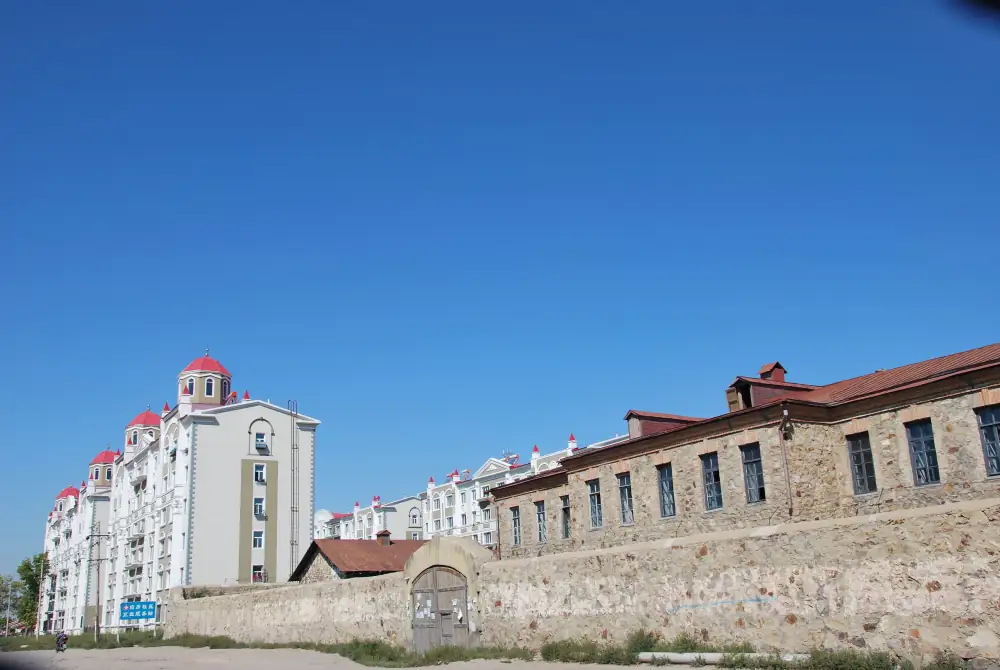
By air:
- Ordos Ejin Horo Airport (鄂尔多斯鄂托克前旗机场): Direct flights from Beijing (1.5 hours, ¥400–700), Shanghai (2.5 hours, ¥600–900), Chengdu, Xi’an, and other major cities
- The airport is located near the main city districts; taxis to Dongsheng (¥80–100) or Kangbashi (¥130–160)
By train:
- From Hohhot (capital of Inner Mongolia): About 3 hours by fast train; ¥80–150 second class; several daily departures
- From Xi’an: About 6 hours; ¥180–280
- Ordos Railway Station is in the Dongsheng district; shuttle buses and taxis connect to Kangbashi (40km away)
Getting around Ordos:
- Ordos is spread across a large area — Dongsheng (the original city), Kangbashi (the new district 40km south), and surrounding areas require transport planning
- Taxis are inexpensive (¥15–40 for most in-city routes) and available via Didi
- Renting a car is the most practical option for reaching remote sights like the mausoleum and desert areas
Genghis Khan Mausoleum (成吉思汗陵)
The Genghis Khan Mausoleum at Ejin Horo Banner (伊金霍洛旗) is not a tomb in the archaeological sense — the actual burial location of Genghis Khan remains unknown and is one of history’s great mysteries. What this site holds instead are the ceremonial relics and spirit of the Great Khan, entrusted to the Darhad clan (who have guarded them for 800 years) and placed in a permanent sanctuary.
For Mongols from Inner Mongolia, Mongolia, and Central Asia, this is a deeply sacred site of pilgrimage. The main ritual ceremonies draw thousands of participants.
The complex:
- Main Palace (成吉思汗宫): Three interconnected white domed halls housing the spirit banners, saddle, and other relics associated with Genghis Khan and his immediate family
- Side halls: Dedicated to Khulan Khatun (one of Genghis Khan’s wives), Jochi (eldest son), and the Dark City
- Statues and memorial grounds: Large bronze equestrian statue of Genghis Khan at the entrance plaza
The Darhad ceremonies (达尔扈特祭典): Periodic grand ceremonies (大祭) are held at the mausoleum, the most important being the sacrifices on the 21st day of the third lunar month and during Nadam in summer. These involve elaborate ritual offerings, traditional dress, and Mongolian music. Attending one of these ceremonies is extraordinary — check dates before your visit.
Opening hours: 8:00am–6:00pm (summer); 9:00am–5:00pm (winter)
Entry fee: ¥180 per person
Getting there: 25km south of Dongsheng city; take Bus 3 or a taxi (¥50–70 from Dongsheng)
The Kubuqi Desert (库布齐沙漠)
The Kubuqi Desert stretches across the northern part of Ordos along the Yellow River valley. At about 18,600 square kilometers, it’s significant in scale, and its proximity to the river creates some unusual features — oasis zones with freshwater lakes, wetlands where the desert meets the riverbank, and vegetation corridors.
Key areas for visitors:
響沙湾 (Resonant Sand Bay) / Xiangshawan: The most developed tourist area, about 60km from Dongsheng. The sand dunes here make a “singing” sound when disturbed — caused by dry sand grains vibrating together. Activities include:
- Sandboarding down steep dune faces (¥50–100 per run with equipment)
- Camel riding across the dune ridges (¥60–120/hour)
- Sand-buggying and off-road vehicle tours (¥150–300/person)
- Cable cars over the dunes for less athletic visitors (¥80 round trip)
Entry fee: ¥200–250 per person (includes some activities)
Opening hours: 8:00am–6:30pm
Desert glamping: Several high-end “glamping” resorts operate within the Kubuqi Desert, with Mongolian yurt-style tents, outdoor hot tubs, and star-gazing platforms. Prices range from ¥800–2,500/night during peak season. Booking 2–3 weeks ahead is essential for summer and national holidays.
Desert ecological recovery: The Kubuqi is notable as the site of China’s most successful desert reclamation project — a 20-year effort by the Elion Resources Group and local communities has reversed desertification along a 500km corridor. The contrast between the still-active sand sea and the stabilized green corridors is visible from the main access roads and adds an interesting dimension to the visit.
Kangbashi — The Ghost City That Wasn’t
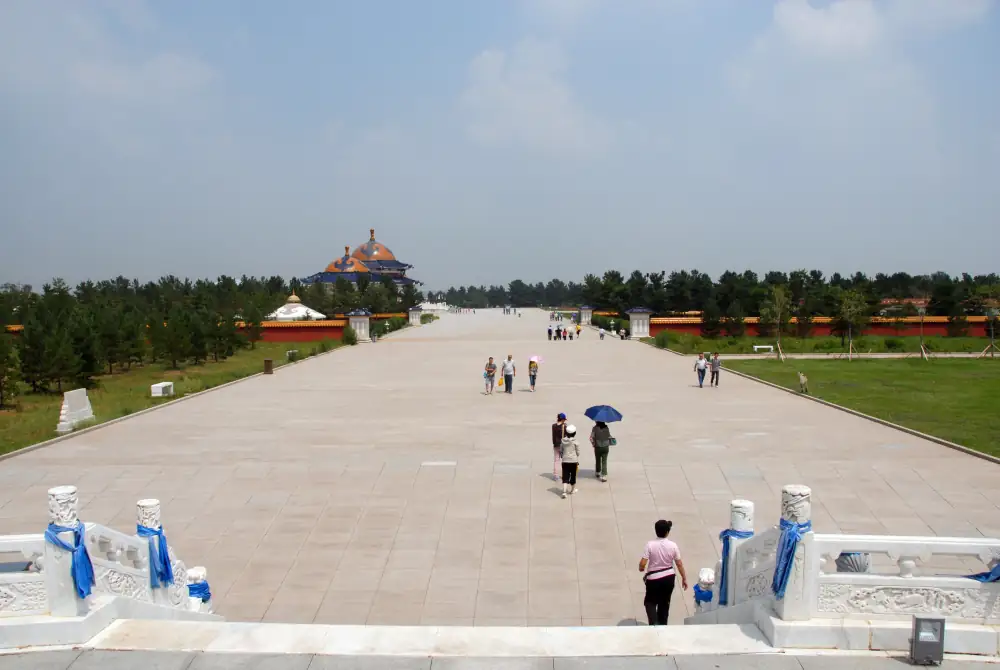
Kangbashi was planned in 2004 as a new administrative and cultural center for Ordos, designed to house a million people. By 2010, it was only about 5% occupied despite having fully built out road networks, apartment blocks, museums, theaters, and public plazas. The resulting images of empty highways, deserted apartment complexes, and ghost malls made international news and became a symbol of China’s speculative real estate overbuilding.
By 2026, the story has changed considerably. Kangbashi now has a population of about 400,000. The streets have traffic. The restaurants are full on weekends. The museums have visitors. It’s no longer a ghost city — it’s a mid-sized Chinese city with unusually wide roads and a remarkable arts district.
What to see in Kangbashi:
Genghis Khan Square (成吉思汗广场): One of China’s largest public squares, dominated by an enormous equestrian statue complex. The scale is deliberately theatrical — this was meant to impress from the start.
Ordos Museum (鄂尔多斯博物馆):
An extraordinary building — architect Ma Yansong designed a curved, cloud-like form that seems to float above the plaza. Inside, the exhibits cover the geology, archaeology, and Mongolian cultural history of the region. The dinosaur fossils (Ordos has significant fossil beds) are the highlight of the natural history section.
Entry: Free
Hours: 9:00am–5:00pm (closed Mondays)
Ordos Grand Theater (鄂尔多斯大剧院): Another landmark building by a notable architect; check the schedule for Mongolian music and dance performances, which happen regularly.
The Art and Culture Zone: A series of studios, galleries, and performance spaces has developed organically in what was once a deserted section of Kangbashi. Local artists and designers have moved in, creating a surprisingly lively arts neighborhood. Street art, craft beer bars, and independent coffee shops have followed.
Nadam Festival (那达慕)
Nadam is the great Mongolian festival of games — wrestling, archery, and horse racing — held annually across Inner Mongolia and Mongolia. The Ordos Nadam, typically held in late July or August, is one of the largest in Inner Mongolia and combines the traditional games with modern entertainment, food fairs, and cultural performances.
The three traditional competitions:
- Mongolian wrestling (博克): No weight classes; the match ends when any part of the body except the feet touches the ground. The costumes are elaborate — leather boots, tight wrestling jackets, and distinctive headgear.
- Horse racing (赛马): Long-distance races (often 20-30km) across the steppe; children as young as 8 often serve as jockeys
- Archery (射箭): Traditional Mongolian composite bow; different competitions for men and women
Attending Nadam: The main venue is usually the Ordos Nadam Festival Grounds east of Kangbashi. Entry varies by event; major competitions are free to watch. The surrounding food markets are excellent — roast whole lamb, airag (fermented mare’s milk, if you’re adventurous), and buuz (Mongolian dumplings).
Mongolian Culture & Food
Ordos is an excellent place to engage with Mongolian culture in an accessible context — close to Chinese infrastructure but with genuine Mongolian cultural presence.
Traditional Mongolian food:
- Hand-held lamb (手把肉): Mutton boiled with minimal seasoning, eaten directly off the bone. The definitive Mongolian dish.
- Milk tea (奶茶): Brick tea boiled with sheep’s milk and salt — very different from Chinese tea and an acquired taste that locals drink throughout the day
- Suutei tsai and dairy products: Dried milk curds (奶酪), cream (奶皮子), and fermented milk products are part of the traditional diet
- Mongolian hotpot: Different from Sichuan hotpot — a clear broth based on lamb stock with wider-cut vegetables
Experiencing Mongolian hospitality: Some tourist camps on the steppe north of Dongsheng offer “Mongolian hospitality” experiences — arriving at a yurt camp, being greeted with milk tea and white foods (dairy products traditionally offered to guests), sharing a meal of hand-held lamb, and watching Mongolian music and dance. These range from cheap tourist-facing operations (¥200–300/person) to genuine stays with nomadic families facilitated by local guides.
Music: Mongolian music in Ordos features the morin khuur (horsehead fiddle), long song (长调民歌), and throat singing (呼麦/khoomii). Look for performances at the theater in Kangbashi or in the restaurants serving Mongolian cuisine.
Day Trips from Ordos
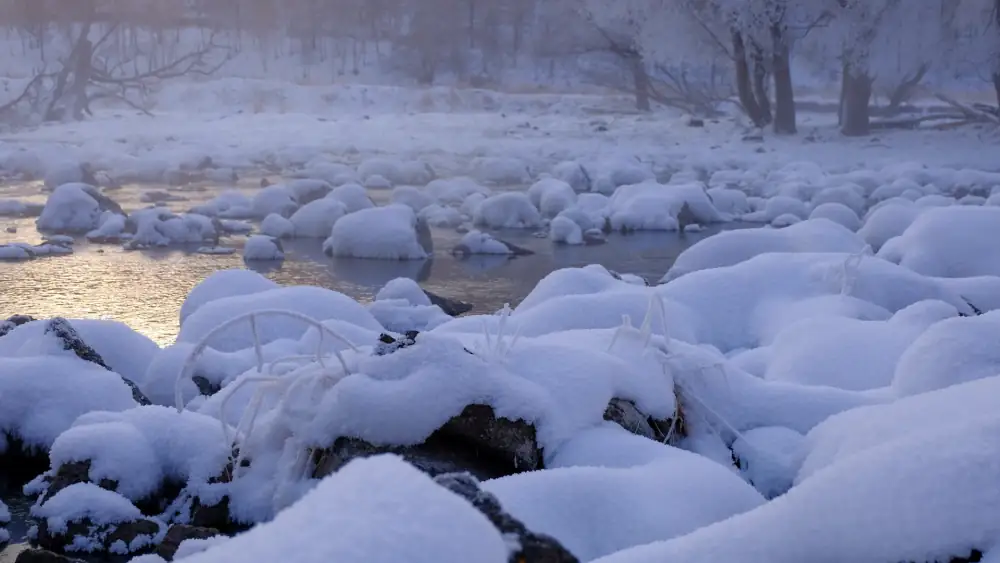
Shapa Mountain (沙拉山): A mesa rising from the desert plain north of Dongsheng, with views across the Ordos plateau. A walking trail circles the top. Free access; ¥15 for the cable car.
Yellow River wetlands at Dalad Banner: The river’s northern bank near Dalad Banner (达拉特旗) has developed wetland parks where the desert meets the river. Birdwatching in spring and autumn, boat trips on the Yellow River section.
Coal mine tours: Ordos is a major coal-producing region. Organized visits to modern open-cut coal mines are available for those interested in the energy economy that funded the city’s original building boom.
When to Visit
Best season: May to September
- May-June: Warm and relatively dry; the steppe is green; comfortable for all outdoor activities
- July-August: Hottest months (30–38°C); Nadam festival season; extremely busy
- September: Cooling, beautiful light, smaller crowds; excellent for the desert
Winter (November-March): The Ordos plateau is bitterly cold (often -20°C overnight). The desert landscape under snow is striking, but most tourist facilities outside the main city areas close. Not recommended for first-time visitors.
Practical Tips
Accommodation: Dongsheng and Kangbashi both have a full range of hotels. Kangbashi has several high-end hotels built to service the original government district — these often offer excellent value for the quality. Budget options (¥150–250/night) to five-star (¥600–1,200/night).
Language: Mandarin is universal; Mongolian is still widely spoken in older communities and rural areas. English is limited outside major hotels.
Desert sun: At this latitude and elevation, UV exposure is intense. Sunscreen, sunglasses, and a hat are not optional in the desert during summer months.