
Table of contents
Open Table of contents
The Main Temples and Sites
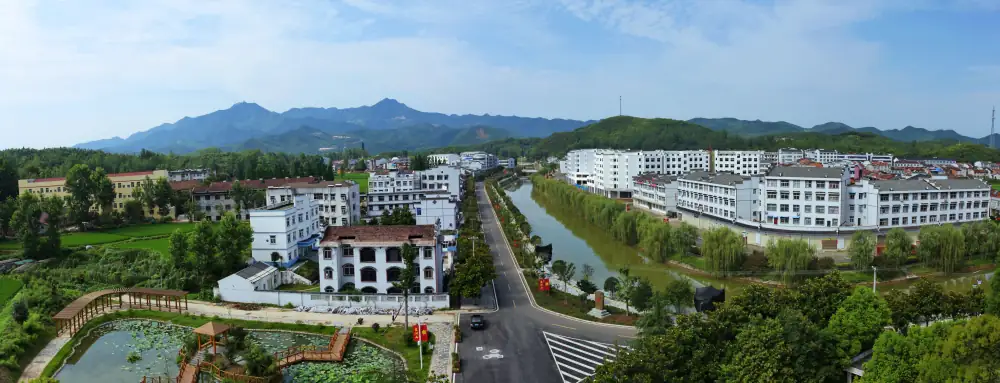
Tianmen Golden Hall (金顶天柱峰): The summit of the highest peak (Tianzhu Peak, 1,612m) is crowned by the Golden Hall — a bronze building erected in 1416 during the Ming dynasty Yongle Emperor’s major construction programme across Wudang. Cast entirely from bronze and gilded, the hall has survived over 600 years without rusting. The views from the peak on clear days encompass the entire Wudang range and the valleys far below. Cable car access from the Purple Cloud Palace area to near the Golden Hall summit takes 15-20 minutes.
Purple Cloud Palace (紫霄宫): The largest and best-preserved of the mountain’s palace complexes, Purple Cloud Palace was built during the Ming dynasty (1413) and sits in a natural hollow on the mountainside. The complex follows the classic Taoist temple courtyard layout, ascending through multiple terraced levels to the main Zhenling Hall. Active priests live and practice here; morning and evening rituals are open to respectful observation. Entry included in the combined ticket.
Southern Cliff Palace (南岩宫): Dramatically situated on a sheer cliff face, this palace complex uses the natural rock formations as part of its architecture. A stone dragon head projecting from the cliff is the most photographed image from Wudang — it’s said that incense offered from this position has spiritual power proportional to the risk involved in getting there. The site is genuinely vertiginous.
Yuzhen Palace (玉虚宫): Near the mountain’s base, this was once one of the largest complexes on the mountain. Only ruins remain, but the scale of what once existed is impressive. The site is under active archaeological investigation.
Fulong Temple (复真观): A smaller temple complex on the eastern slopes, known for its Five Dragons Hall and the unusual architectural response to the steep hillside topography. Less visited than the main sites, which makes for a more contemplative experience.
Wudang Kung Fu and Martial Arts Schools
The connection between Wudang Mountain and internal martial arts runs deep. While the exact historical origins of Tai Chi remain debated by scholars, the Wudang Taoist tradition of combining physical cultivation with spiritual practice is well-documented since at least the Tang dynasty, and the specific styles now grouped as “Wudang martial arts” have been practised here for centuries.
Several schools operate on the mountain and in the town of Wudangshan at the base:
Wudang Tao Kung Fu Academy: One of the better-known English-language teaching schools, offering short courses (1-week intensive) and long-term residency programmes for serious students. Fees vary from approximately ¥2,000 per week for short programmes to ¥8,000-15,000 per month for extended study including accommodation and meals.
Multiple shorter demonstration opportunities: Several schools near the base town offer single-day or half-day introduction sessions for tourists — basic Tai Chi forms, introduction to meditation postures, demonstration of Wudang sword forms. Expect to pay ¥100-300 for a 2-hour session.
Morning practice on the mountain: If you stay overnight on the mountain and rise before dawn, you will almost certainly encounter resident Taoist practitioners (both priests and lay students) conducting their morning exercises on the temple terraces and mountain paths. This is one of the most authentic and atmospheric experiences the mountain offers. No ticket required — just be respectful, keep a polite distance, and don’t photograph without permission.
Ticket Prices and Entry
Main scenic area ticket: ¥240 per person. This combined ticket covers access to all the main temples and palace complexes, scenic area shuttle buses, and most facilities.
Cable car: Multiple cable cars connect different parts of the mountain. The main one from the lower station to near Tianmen peak costs ¥85 one-way up, ¥65 one-way down. Queues can be long during peak periods (summer weekends, national holidays).
Student discount: Half price with valid student ID. Seniors 65+ and children under 1.2m: free.
Hours: 7:30am-6pm in summer, 8am-5:30pm in winter.
Allow a full day for a thorough visit including the summit. Two days allows a more relaxed pace.
Getting to Wudang Mountain
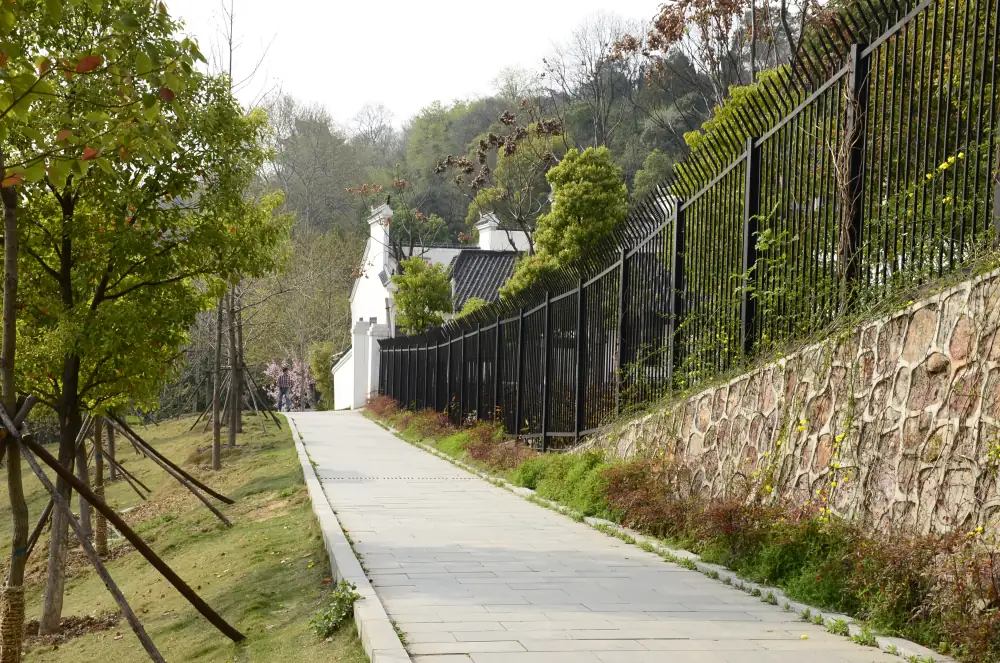
The town of Shiyan (十堰) in northwest Hubei is the gateway city for Wudang. The mountain is about 75km from Shiyan city centre.
By High-Speed Train to Wudangshan Station: The dedicated Wudangshan high-speed railway station opened in 2013 and provides excellent connections:
- From Wuhan: approximately 2 hours, tickets ¥100-160 (second class)
- From Xi’an: approximately 2 hours, tickets ¥130-200
- From Chengdu: approximately 3.5 hours (via Xi’an or with changes)
From Wudangshan station, the mountain entrance is about 5km. Taxis (¥20-30) and shuttle buses (¥5-10) cover the distance.
By Bus from Wuhan: Direct coaches from Wuhan Passenger Bus Terminal to Wudang Mountain (Shiyan area), approximately 4-5 hours, tickets ¥100-140. Less convenient than the train but an option.
Where to Stay
In the base town (Wudangshan town): The most practical base for most visitors.
- Budget guesthouses and hostels: ¥80-200 per night
- Mid-range hotels: ¥200-450 per night (Holiday Inn Express, local brands)
- The Wudang Mountain International Hotel: ¥400-800 per night
On the mountain: Several guesthouses and small hotels operate within the scenic area, primarily around the Purple Cloud Palace zone. Prices are higher than the base town (¥250-600 per night) but allow you to experience the mountain at dawn and dusk without rushing. Book well in advance for peak season.
Taoist study centres: If attending a kung fu school or study programme, accommodation is typically included in the fee.
Hiking on Wudang Mountain
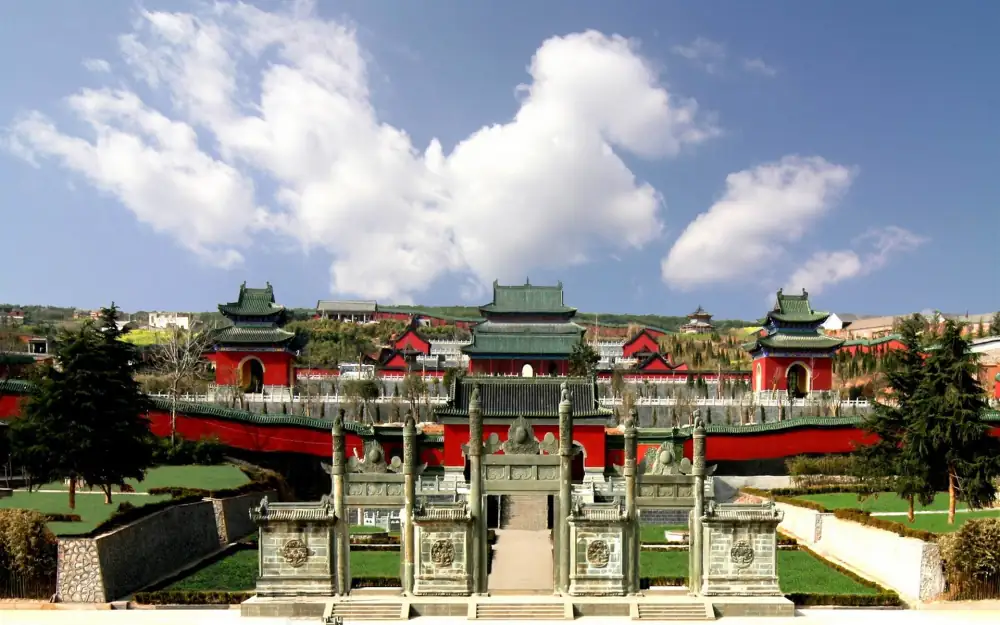
Beyond the main temple circuit, Wudang Mountain has extensive hiking trails through ancient forest. The traditional pilgrims’ path from the base to the Golden Hall summit takes approximately 5-6 hours of steady climbing — a genuine mountain hike involving stone steps, steep sections, and considerable elevation gain (approximately 1,000m from base to summit). This route was the only way to access the mountain before roads and cable cars arrived, and walking it provides both physical challenge and a sense of the pilgrimage experience.
Key trail options:
- Summit via southern pilgrims’ path: 5-6 hours up, 3-4 hours down
- Southern Cliff Palace loop from shuttle bus road: 2-3 hours, moderate difficulty
- Purple Cloud Palace to Golden Hall via cable car and walking connection: 2-3 hours, suitable for average fitness
Best Time to Visit
September-November: The consensus best season. Autumn foliage transforms the mountain, temperatures are comfortable (15-25°C at base, cooler above), and summer crowds have thinned.
March-May: Spring is beautiful — mist fills the mountain valleys creating the classic ink-painting atmosphere Wudang is famous for. This is peak season for pilgrims and domestic tourists.
Summer (June-August): Hot and humid at the base, more comfortable on the upper mountain. Weekends extremely crowded.
Winter: Cold (below zero overnight) but very quiet. The temples in snow and mist have an extraordinary quality, and you may have them nearly to yourself.
Practical Tips for 2026
Morning light: The most atmospheric time to be at any of the temples is the hour after dawn — morning light through the ancient trees, incense smoke hanging in the still air, priests going about their morning duties. Set your alarm.
Footwear: Stone steps throughout the mountain can be slippery when wet. Proper walking shoes or hiking boots are recommended. Not the day for sandals.
Dress respectfully: Inside temple complexes, modest dress is expected. Long trousers and covered shoulders are appropriate. Singlets and very short shorts are not welcome.
Altitude: At 1,612m for the summit, altitude is not a significant issue for most visitors arriving from other parts of China.
Food: The base town has restaurants serving Hubei cuisine — braised fish in sauce (鱼杂), hot dry noodles (热干面), lotus root pork rib soup (排骨莲藕汤). On the mountain, basic canteens at the temple areas serve plain vegetarian food similar to monastery cooking: ¥20-40 per person.
Incense burning: Incense sticks are sold throughout the complex (¥5-30 per bundle) and burning them at the appropriate altars is an expected and respectful participatory act. You don’t need to be Taoist to appreciate the ritual.
Wudang Mountain belongs to a category of places where the combination of landscape, history, and living tradition exceeds the sum of its parts. The Golden Hall on its summit, the morning Tai Chi practice in the courtyards, the ancient forest closing in around stone paths used for a thousand years — these elements combine to create something genuinely rare in Chinese tourism: a destination where the atmosphere is as compelling as the individual sights.