
Table of contents
Open Table of contents
The Three Gorges
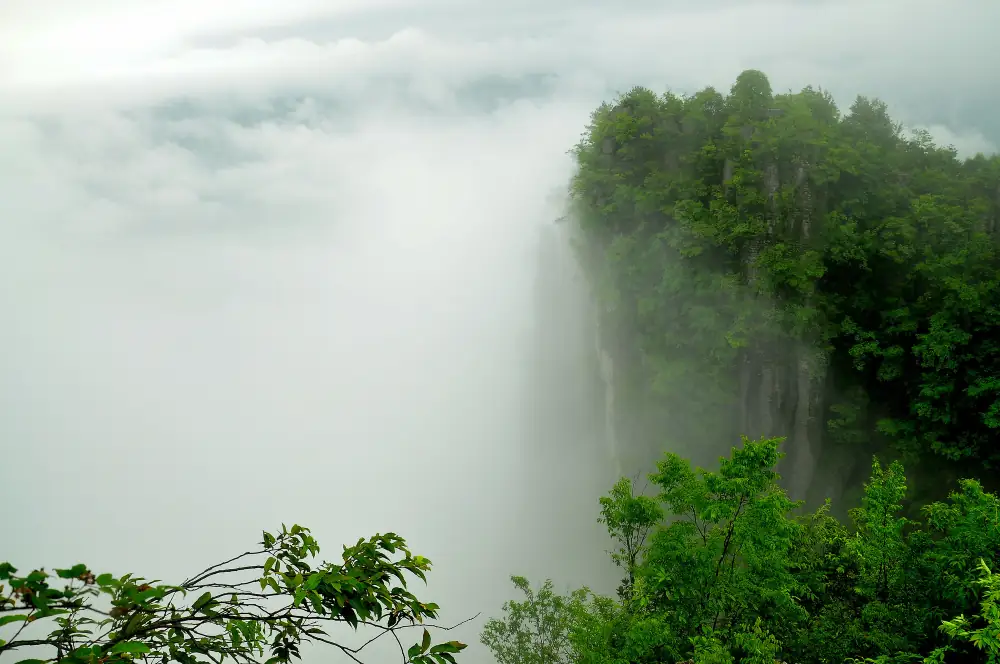
Qutang Gorge (瞿塘峡): The shortest (8km) but most dramatic of the three. The cliffs here are closest together, creating an almost canyon-like passage where the current was historically the most powerful. The famous Kui Gate (夔门) at the gorge’s entrance — two massive cliff faces framing the river entrance — is one of the iconic images of Chinese landscape art.
Wu Gorge (巫峡): The longest gorge at 45km, known for the Twelve Peaks of Wushan — a series of mountain summits flanking both sides of the gorge, often shrouded in mist. The tributary rivers cutting into the main gorge here create particularly dramatic side canyon scenery. The Daning River (大宁河) to the north has its own “Little Three Gorges” (小三峡) that are accessible by smaller boat tour.
Xiling Gorge (西陵峡): The longest (75km) and once the most dangerous for navigation, with numerous rapids. The dam has smoothed these waters significantly, but the scenery remains impressive, particularly the Huangling Temple which was preserved above the flood line.
Cruising the Three Gorges: Your Options
Classic Yangtze Cruise (4-5 days, Chongqing to Yichang or reverse): The traditional way to experience the Three Gorges. Ships travel downstream (Chongqing to Yichang) or upstream (Yichang to Chongqing), with stops at major sights along the way.
Cruise options:
- Budget ferries: ¥500-1,200 for basic berth accommodation. The old-style four-class ferry system still operates but has reduced services. More authentic experience, less tourist-oriented.
- Standard cruise ships: ¥2,000-5,000 per person for 4-5 day cruises including meals. Air-conditioned cabins, organized tours to shore attractions, English-speaking guides available on some ships.
- Luxury cruises: ¥5,000-18,000 per person (Victoria Cruises, Yangtze Explorer, etc.) with balcony cabins, fine dining, and comprehensive shore excursions.
The downstream direction (Chongqing to Yichang) is more popular: you see the gorges entering rather than exiting, the journey is faster (3.5-4 days vs 4.5-5 days upstream), and Yichang is a more convenient end point for onward travel.
Key shore excursions included in most cruise packages:
- Shibaozhai (石宝寨): A temple pagoda rising 56 metres on a rocky outcrop, now an island since the water rose
- White Emperor City (白帝城): Ancient town on an island at the entrance to Qutang Gorge with 2,000 years of history
- Daning River Little Three Gorges: Smaller boat tour up a beautiful tributary canyon
- Shennong Stream (神农溪): A shallow tributary navigated by traditional trackers (人纤) in narrow wooden boats
Fast boat option (1-2 days): If you want to experience the gorges without a full cruise, hydrofoil services (about 6 hours, Chongqing to Yichang) are available. Much faster, you see the main gorge scenery, but no shore excursions or the deeper experience. Tickets: ¥300-500.
Three Gorges Dam Visit (三峡大坝)
The Three Gorges Dam is a genuinely impressive piece of engineering — the world’s largest hydroelectric power station by total generating capacity, stretching 2.3km across the Yangtze and rising 185 metres above the original river bed. Like it or not (and there are real reasons for both perspectives), it’s one of the defining engineering projects of China’s modern era.
Visiting: The dam has an observation deck and several viewpoints accessible to the public. Entry: ¥105 per person. A shuttle bus runs within the dam area.
The visitor experience gives you: views of the dam structure itself, the five-step ship locks (watching a cruise ship rise or descend through the locks is fascinating), the generating hall (one of the world’s largest rooms), and exhibitions on the dam’s construction and the Three Gorges resettlement programme.
Location: The dam is near Sandouping town, about 38km upstream from Yichang. Buses run from Yichang, or arrange a taxi (¥100-150). Most cruises include a dam visit as part of the itinerary.
Gorge Hiking and Land-Based Alternatives
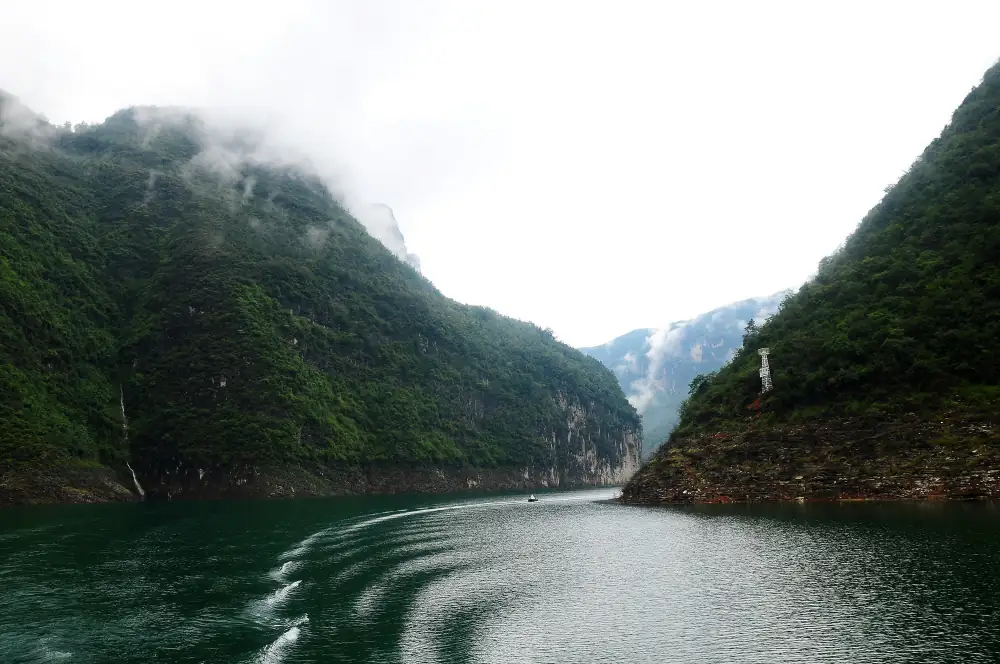
Not everyone wants to cruise. Excellent alternatives:
Baidi Cheng (白帝城) hike: White Emperor City on its island promontory offers hiking trails and spectacular views of the Qutang Gorge entrance. Accessible by ferry from Fengjie.
Wu Gorge Hiking: The Dawu Village hiking trail on the south side of Wu Gorge follows the original shoreline below the current water level, giving views of the gorge walls that the cruise ships miss. Several day hike options from Wushan town.
Shennongjia Nature Reserve: The remote mountain wilderness area north of the gorges (accessible from Yichang) is one of China’s most biologically diverse areas — ancient forest, endemic wildlife, and the alleged habitat of the Yeren (wild man). Day trips and overnight tours available from Yichang.
Getting to the Gorges
The standard itinerary:
- Start in Chongqing (major transport hub — flights, high-speed trains nationwide)
- Cruise downstream to Yichang (4-5 days)
- Continue from Yichang by high-speed train to Wuhan (2 hours), or fly onward
Yichang (宜昌) is the eastern gateway to the Three Gorges. High-speed trains connect to:
- Wuhan: approximately 2 hours, ¥100-160
- Enshi: approximately 1.5 hours (for onward travel to western Hubei)
- Xi’an: approximately 4 hours
Chongqing to anywhere in China by high-speed rail or air is straightforward.
Where to Stay at Key Points
Yichang: Good range of accommodation near the cruise terminals (Three Gorges International Hotel, Marriott, local mid-range), ¥200-800 per night. The city itself is pleasant and underrated.
Wushan (for Wu Gorge access): Smaller city on the gorge, basic to mid-range accommodation ¥120-300.
On cruise: Accommodation is on the vessel. Cabin quality varies by cruise class.
Practical Tips for 2026
Cruise booking: Book 4-6 weeks ahead for peak season (May-October). The Golden Week periods (Labour Day early May, National Day October 1-7) see extreme demand — book months ahead.
Downstream vs upstream: As noted, downstream (Chongqing to Yichang) is much more popular and generally recommended. Upstream is slower but allows you to see the gorges entering rather than leaving.
Water levels: The gorge scenery changes with seasons. Spring (May-June) sees the highest water levels (dam releases). Autumn (October-November) has lower levels but clearer visibility. Winter (December-February) is the lowest water level season — historically the most dramatic gorge experience.
Photography: The light in the gorges changes dramatically by hour. Morning mist in Wu Gorge creates the classic ink-painting atmosphere. The Qutang Kui Gate is best photographed from upstream, not downstream. A 24-70mm lens covers most situations on the cruise.
Motion sickness: The Yangtze cruise ships are large enough that motion sickness is not generally an issue. The smaller tributary boat tours are on calmer water.
The Three Gorges are genuinely one of China’s great natural landmarks — changed by the dam, but not fundamentally diminished. The scale of the cliffs, the drama of the gorge entrances, the sensation of travelling through a landscape cut by a river over millions of years — none of that required any particular water level to be extraordinary.