
Boarding a Yangtze Three Gorges Cruise in Chongqing
The Yangtze River cruise between Chongqing and Yichang (or the reverse) has been one of China’s most iconic journeys for over a century — a 3–5 day voyage through 600 km of gorges, tributaries, and the engineering spectacle of the Three Gorges Dam. Chongqing is the most common starting point for the downstream (west-to-east) direction.
This guide covers everything specific to the embarkation process in Chongqing — the practical details that matter most before you ever see a gorge.
Choosing Your Departure Pier in Chongqing
Chongqing has several piers that operate Yangtze cruises. They are not interchangeable; confirming your pier before travel is essential.
Chaotianmen Pier (朝天门码头)
The most central and most dramatic departure point — positioned at the confluence of the Yangtze and Jialing rivers, surrounded by Chongqing’s vertiginous cliff-face cityscape. Most luxury cruise ships (Viking River Cruises, Century Cruises, Sanctuary Retreats) depart from here.
Getting there: Metro Line 1 to Xiaoshizi (小什字) station; 15-minute walk to pier along the riverside promenade.
Cuntan International Cruise Terminal (寸滩国际客运中心)
The main terminal for domestic passenger ferries and Chinese-market cruise ships. Located downstream from the city centre (approximately 15 km from Chaotianmen). Many Chinese four and five-star cruise ships (行知探索, 长江游轮) depart from here.
Getting there: Taxi from central Chongqing approximately 35–45 minutes; ¥35–¥50.
Donggang Terminal (东港客运站)
Departure point for some budget overnight ferries and smaller operators. Less commonly used for international tourists.
Action: Confirm your pier in the booking confirmation email — every major cruise operator specifies it, and getting to the wrong one is an expensive and stressful mistake.
Cabin Classes on a Yangtze Cruise
International/Luxury Cruise Ships
Ships operated by Western cruise lines (Viking, Sanctuary, etc.) divide accommodations into:
- Standard Staterooms: Approximately 16–20 m²; double bed, private bathroom, window.
- Deluxe Staterooms: Larger windows, sometimes Juliet balconies; 20–28 m².
- Suites: Full balcony, living room area, butler service; 35–60 m².
All classes include all meals; excursion packages vary by cabin level.
Chinese Luxury Cruise Ships (4–5 Star)
Divided into:
- 豪华标准房 (Deluxe Standard): Two single beds or one double; reasonable size; private bathroom with shower.
- 行政套房 (Executive Suite): Balcony; premium dining service; priority tendering.
- 总统套房 (Presidential Suite): Full private deck space; concierge services.
All-inclusive pricing is typical; some ships charge for excursions separately.
Economy Domestic Ferries
If you opt for a traditional domestic passenger ferry (the pǔtōng lúnchuán, which still operates between Chongqing and Yichang), cabin classes are:
- Special Class (特等舱): Private two-berth cabin with en-suite.
- First Class (一等舱): 2-berth cabin; shared bathrooms.
- Second Class (二等舱): 4-berth cabin.
- Third Class (三等舱): 6–8 berth open cabin; basic conditions.
These ferries are significantly cheaper (¥200–¥600 vs ¥1,500–¥5,000+ for cruise ships) but offer minimal services and a very different experience. They appeal to budget travellers and those wanting the most authentic river journey.
Embarkation Day: Step by Step
Before You Leave Your Hotel
- Check weather: The gorges can be foggy, especially March–May. This doesn’t cancel anything but affects which viewpoints are visible.
- Confirm departure time: Most cruises embark 14:00–18:00; some overnight ferries depart late evening. Your confirmation voucher specifies check-in time.
- Pack a day bag: Your checked luggage goes to the cabin; keep your passport, medications, travel documents, a change of clothes, and valuables accessible.
- Local currency: Most ship shops and some excursion vendors are cash-only. Carry ¥500–¥1,000 in small bills.
At the Pier
Most luxury cruise terminals have:
- Check-in counter: Show your booking confirmation and passport. You receive a cabin key and boarding pass.
- Security screening: Similar to airport security; liquids restricted on some ships.
- Luggage handling: Large bags are tagged and delivered to your cabin.
Budget 45–60 minutes for the full check-in process during peak season when multiple sailings depart simultaneously.
Embarkation Walk
The boarding gangway at Chaotianmen descends sharply — the river is 80+ metres below the city’s cliff-top streets. This is architecturally dramatic; be prepared for stairs.
First Night Aboard: What to Expect
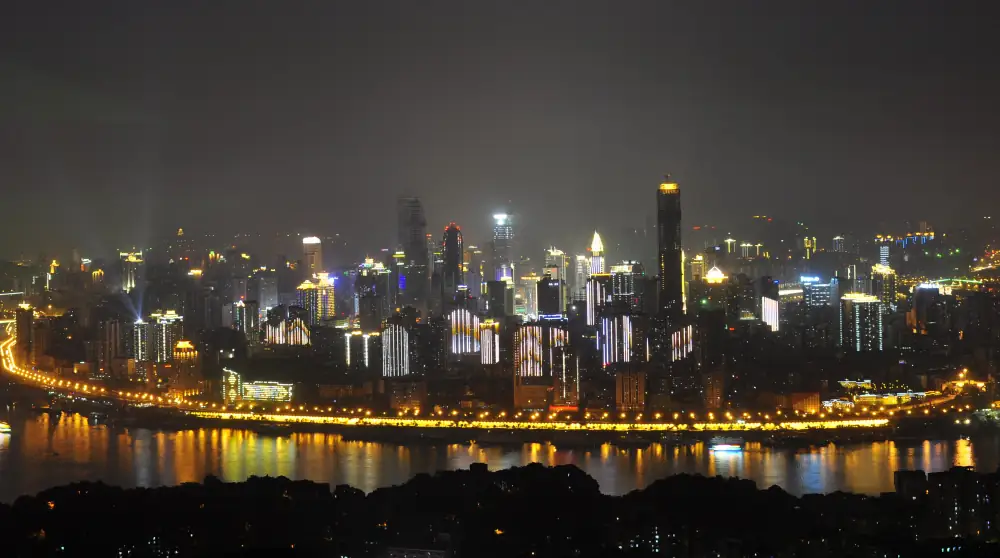
Most cruises remain docked in Chongqing for the first evening, allowing passengers to settle in and the crew to complete loading. Common first-night activities:
- Welcome dinner: Usually a formal meal introducing the ship’s restaurant and the cruise director’s introduction to the itinerary.
- Orientation tour: Crew shows passengers key locations (dining room, observation deck, medical station, emergency muster stations).
- Chongqing night views: Docked at Chaotianmen, you have front-row views of one of the world’s most dramatic urban night scenes — the neon-lit cliffs of Chongqing’s riverfront.
The ship typically departs Chongqing between 21:00 and 23:00, often timed so passengers wake on the first morning already in the gorges.
The First Morning: Waking Up in the Gorges
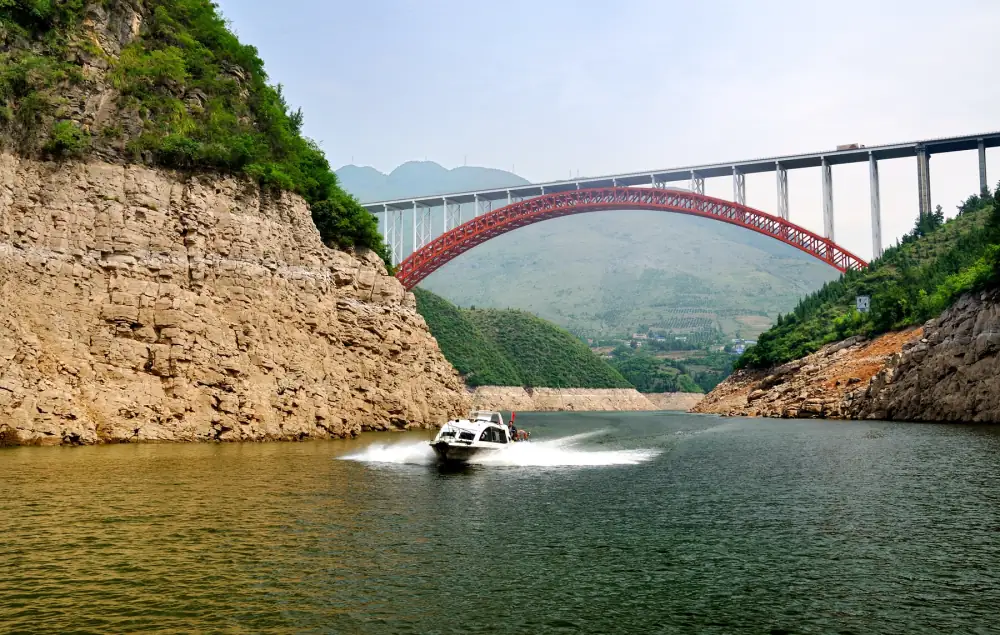
Set an alarm for approximately 30 minutes before sunrise. Step onto the deck in the morning dark and wait. As the sky lightens, the canyon walls — rising 600–900 metres on both sides — will gradually separate themselves from the darkness. By the time the sun clears the ridgeline, you will be floating in a gorge that feels entirely enclosed, the river ahead and behind bending out of sight around limestone buttresses.
This is the Wu Gorge (巫峡) — the longest and deepest of the three gorges — and it is one of the most dramatic landscapes in China.
Key Stops Along the Way
| Day | Stop | Highlight |
|---|---|---|
| Day 2 | Wuxi | Shennü Valley (goddess stream) boat ride |
| Day 2 | Zhongxian | Shibaozhai Pagoda — 12-storey wooden tower |
| Day 3 | Wushan | Wu Gorge entry; Shennü Peak |
| Day 3 | Goddess Stream | Smaller river tributary with ancient hanging coffins |
| Day 4 | Three Gorges Dam | Scale of dam walls and visitor centre |
| Day 4 | Ship locks | The 5-stage lock system — 4–5 hour process |
| Day 5 | Yichang | Disembarkation; high-speed train connections onward |
Practical Tips
- Binoculars are useful for cliff-face formations and ancient hanging coffins visible on the limestone walls.
- Layers are essential — the gorge creates a wind tunnel; morning deck temperatures can be 10°C cooler than the air temperature at the pier.
- Seasickness is not a significant concern on the Yangtze — the river is wide enough that the ship’s motion is minimal except in brief rapids sections.
- Photography: The best light in the gorges is in the first 2 hours after sunrise; the afternoon tends to blow haze into the canyon.
The Yangtze Three Gorges voyage is one of Asia’s classic journeys — unhurried, deeply atmospheric, and carrying the weight of a civilisation that has lived alongside this river for five thousand years.