
Inner Mongolia’s Singing Sand Dunes: The Resonant Sand Bay
Two hours west of Hohhot, the Kubuqi Desert pushes south into the Yellow River bend — the only place in China where desert dunes meet temperate grassland in such dramatic, intimate contact. At the heart of this landscape sits the Resonant Sand Bay (响沙湾, Xiǎng Shā Wān) — a massive golden dune complex where, under the right wind conditions, the sand itself produces a deep, resonating hum audible from hundreds of metres away.
The “singing” has been explained by science (it results from dry, spherical sand grains of uniform size vibrating in resonance when disturbed), but the experience of standing on a dune’s crest and hearing it moan is not diminished by the explanation.
The Singing Sand Phenomenon
Sand dunes produce sound under specific conditions:
- Grain uniformity: The sand at Xiangshawan consists of highly rounded quartz grains of nearly identical diameter.
- Low moisture: Desert air is dry enough to allow the grains to vibrate freely without clumping.
- Trigger: Either wind across the crest or disturbance (walking, sliding) causes a chain-reaction of vibrating layers.
The sound ranges from a low drone to a resonant hum that some describe as similar to a distant aircraft engine. The best auditory conditions occur in the late afternoon when temperatures drop slightly and the dune face is in shadow.
Activities at Resonant Sand Bay
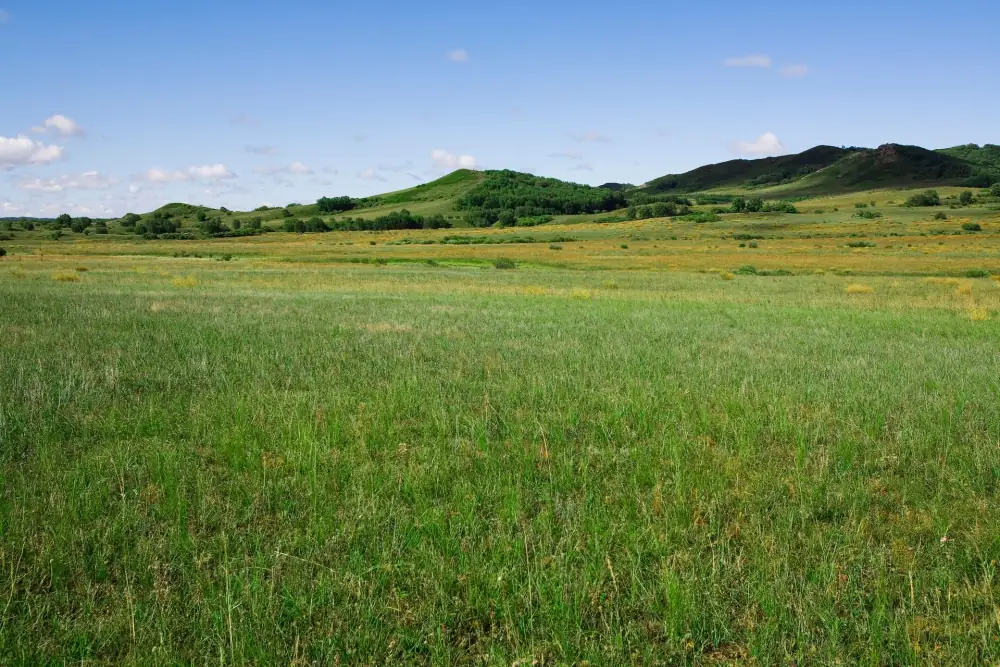
Sandboarding (沙滑梯)
The most popular activity: boards (more accurately foam sleds) rented at the dune base (¥30–¥50) for multiple runs down the dune face. The main dune rises approximately 110 metres; a run takes 10–15 seconds. A cable conveyor system hauls sleds back to the top.
The slope is steep but the sand is soft enough that falls are harmless. Children as young as 6 manage it comfortably.
Camel Trekking
Bactrian camels (the two-humped variety, native to Central and East Asian deserts) operate in guided string-trains from the scenic area’s camel station. The 30-minute circuit takes you around the base of the main dune complex; the 2-hour extended trek enters the back-dune area and reaches a viewpoint over the Yellow River bend.
The camels are docile and well-managed; the experience — riding at 1,800 mm above the ground through absolute silence, with nothing visible in any direction except sand — is transporting.
Cost: ¥120 (30-min circuit); ¥350 (2-hour trek).
Zipline Across the Dunes
A zipline runs diagonally across a dune valley — providing a bird’s-eye view of the golden dunes — and deposits riders at the far side where a buggy returns them to the base.
Desert Buggy Tours
Four-wheel-drive dune buggies (¥120/vehicle) enter the back-dune area inaccessible to pedestrians, reaching viewpoints that overlook both the desert and the Yellow River valley 5 km away.
The Desert-Grassland Transition
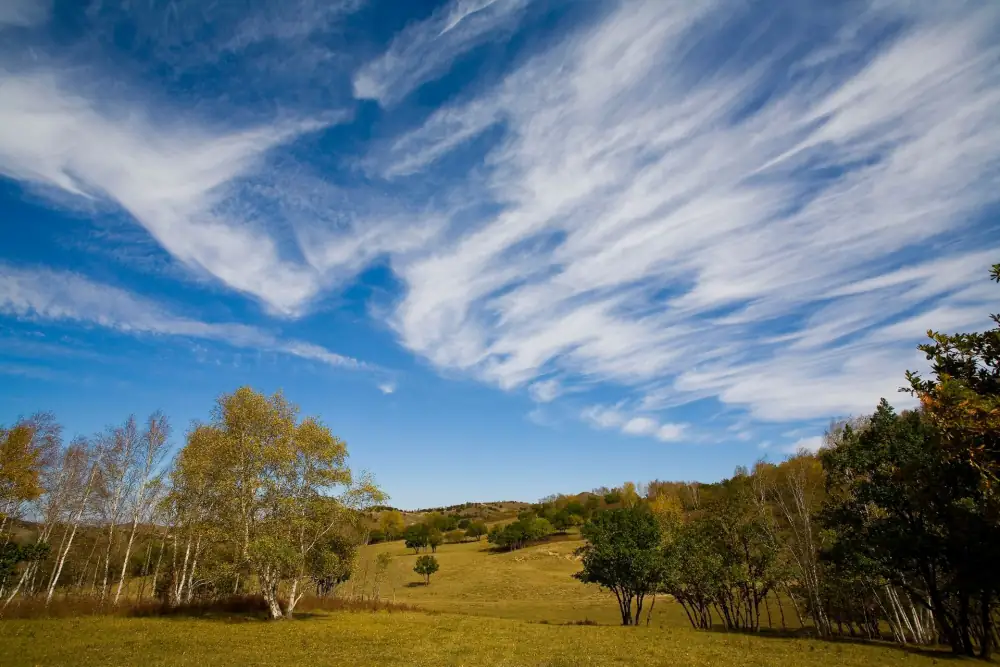
What makes the Resonant Sand Bay area uniquely interesting geographically is the transition zone between desert and grassland. On the southern and western edges of the dune complex, the Kubuqi Desert is actively controlled by the world’s largest desert reforestation project (the Kubuqi Desertification Control Programme), where drought-resistant shrubs have converted bare dunes to scrubland over 600,000 hectares since 1988.
On the northern edge, the dunes abruptly meet the grasslands of the Hetao Plain — where sheep and cattle graze in sight of the last dune ridges. This visual contrast (sand and grass within walking distance) is rare in the world and entirely unique in China.
Camping and Stargazing
The Resonant Sand Bay scenic area has an official camp site at the desert edge (¥80–¥150/tent or pre-erected yurt). Private operators within the camp serve mutton hotpot and millet wine around fire pits after dark.
The night sky above the Kubuqi Desert is extraordinary. The Hetao Plain (the Inner Mongolia section of the Yellow River bend) has minimal light pollution; on a clear, moonless night in autumn, the Milky Way is clearly visible to the naked eye and the spectacle of the Big Dipper — Beidou, the North Star’s constellation, which has served as a navigation tool for Chinese travellers for millennia — directly overhead is emotionally affecting.
Best stargazing months: October and November (dry, clear skies; cold but manageable with camp blankets).
Nearby: Kubuqi Desert Eco-Tourism Area
The broader Kubuqi Desert Tourism Zone includes:
- Engebeier Desert Ecological Tourism Area: A vast area where you can drive your own vehicle across designated sand roads in 4WD or take guided jeep tours.
- Yellow River Wetlands: Boat trips along the Inner Mongolia section of the Yellow River, with birdwatching opportunities (particularly during autumn migration).
- Ordos City: 2 hours from Resonant Sand Bay; a modern planned city with a remarkable museum of Ordos civilisation and nearby Bronze Age archaeological sites.
Practical Information
Getting There
From Hohhot:
- High-speed train to Dongsheng (鄂尔多斯), then taxi or local bus to Dalad Banner (达拉特旗), then private car 30 km to Resonant Sand Bay. Total journey: 2.5–3 hours.
- Alternatively, tour buses operate from Hohhot on summer weekends.
- Self-drive in a rental car is the most flexible option: Hohhot to Resonant Sand Bay is 230 km on expressway (2.5 hours).
From Baotou:
- 1.5 hours by car; regular buses from Baotou East Station.
Scenic Area Admission
¥200 (peak season, includes basic activities). Add-on activities (zipline, camel trek, buggy) charged separately.
Best Season
- April–May: Pleasant temperatures; spring winds sometimes enhance singing sand effect.
- September–October: Ideal — clear skies, comfortable temperatures, excellent visibility; stargazing season.
- Summer (June–August): Sand surface temperature can exceed 70°C; go only in early morning or evening.
- Winter: Very cold; most attractions closed or reduced hours.
What to Bring
- Sunscreen and UV sunglasses (dune reflection intensifies UV exposure).
- Closed shoes or rental shoe covers (sand enters sandals within minutes).
- Warm layer for evenings (desert temperature drops 15–20°C after sunset).
- Scarf or buff for wind and blowing sand.
- Cash (some activity vendors do not accept WeChat/Alipay).
The Resonant Sand Bay is one of China’s most sensory travel experiences — the sand that sings, the camels that rock, the stars that appear from nowhere once the desert dark takes hold. It is a place that reminds you that China’s landscapes range far beyond the rice paddies and mountain karst of its most photographed corners.