
Hulunbuir: China’s Greatest Grassland
Hulunbuir Grassland (呼伦贝尔草原) covers 93,000 square kilometres in the northeastern corner of Inner Mongolia — an area the size of Hungary, almost entirely undeveloped, with a human population density of less than one person per square kilometre. The grassland extends from the Greater Khingan Mountains in the east to the Mongolian and Russian borders in the west; the Mörön River (莫日格勒河) winds through the central plain in sinuous meanders that, from the air, look like silver writing on green paper.
This is the homeland of Genghis Khan, the origin point of the Mongol Empire, and one of the last places in China where nomadic pastoralism continues as an actual way of life rather than a performance for tourists.
Why Summer (June–August)
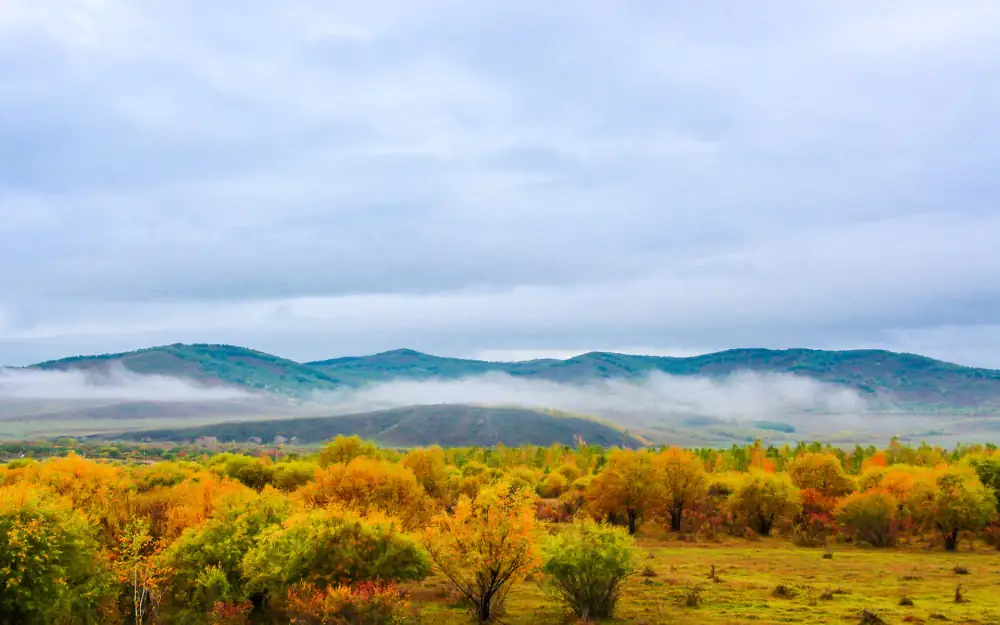
Hulunbuir in summer is a superlative: grass 60–80 cm tall, wildflowers visible across the entire plain, temperatures pleasant at 18–25°C during the day, and the afternoon light — long at 49°N latitude — creating golden hours that last until 21:00.
The Mörön River meanders are at their most photogenic in July–August when the surrounding grass is at maximum height. The contrast of silver river against deep green meadow, often with traditional Mongolian ger (yurts) visible on the bank, is the defining Hulunbuir image.
Key Destinations
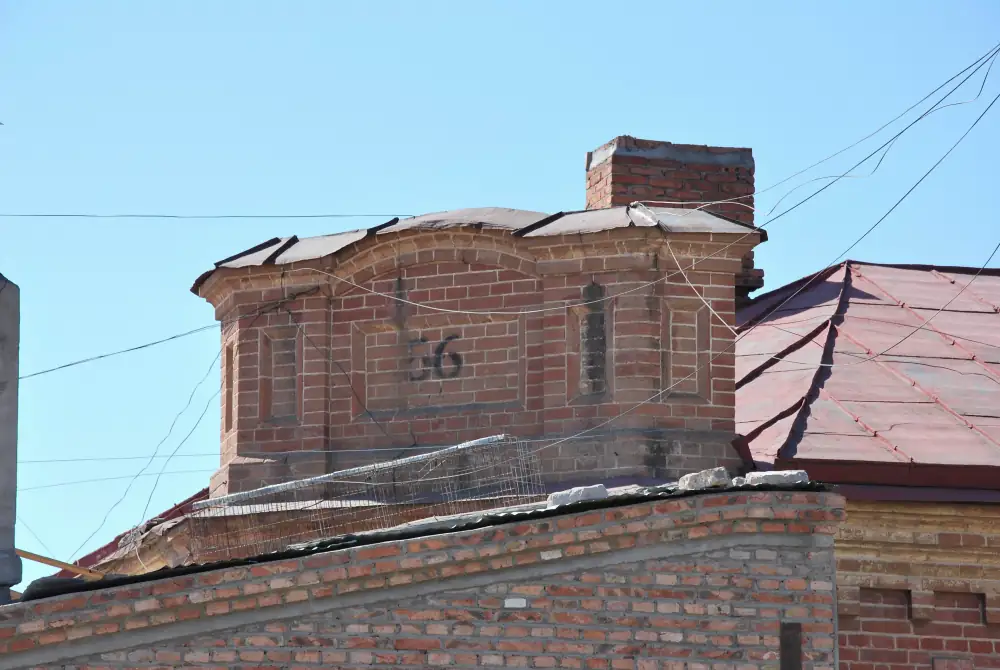
Mangen Grassland (满归草甸): Near-Pristine Landscape
The least-visited and most intact section, in the far north near the Russian border. Minimal tourist infrastructure; primarily experienced via private vehicle or guided tour. The grassland here is broken by stands of Siberian larch and birch — the typical landscape of the transition zone between taiga forest and steppe.
Jinzhanghan Grassland (金帐汗): Cultural Tourism
The most accessible area for cultural tourism — a circuit of Mongolian family farms offering traditional hospitality: milk tea (奶茶), hand-pulled mutton (手把肉), airag (fermented mare’s milk), and demonstrations of horsemanship, archery, and ger construction. Overnight stays in ger camps (¥200–¥400/night, including meals).
Caution: The line between genuine nomadic hospitality and tourist-show performance varies significantly between establishments. The best experiences are with families who actually maintain herds and seasonal migration patterns; the worst are effectively outdoor restaurants in ger shapes.
Lake Hulun (呼伦湖): Fishing and Waterfowl
China’s fourth-largest freshwater lake (2,339 km²), near the city of Manzhouli on the Russian border. Swan Lake (天鹅湖) on the lake’s eastern shore is an important waterfowl breeding area; in spring and autumn, whooper swans, bar-headed geese, and numerous duck species are visible.
Manzhouli itself is notable as China’s most Russian-influenced border city — Russian-language signage, Russian food (borscht, black bread, shashlyk), Russian Orthodox church, and a significant Russian visitor/resident population.
Evenki Communities
The Evenki (鄂温克) are a Tungusic people who have lived in the forests and wetlands of the Hulunbuir region for centuries, traditionally relying on reindeer herding, hunting, and fishing. The Evenki Autonomous Banner (鄂温克族自治旗) centre at Bayan Tohoi is accessible from Hailar; the Aoluguya Evenki Reindeer Village (敖鲁古雅鄂温克) near Genhe offers visits to one of the last communities maintaining traditional reindeer culture.
Practical Information
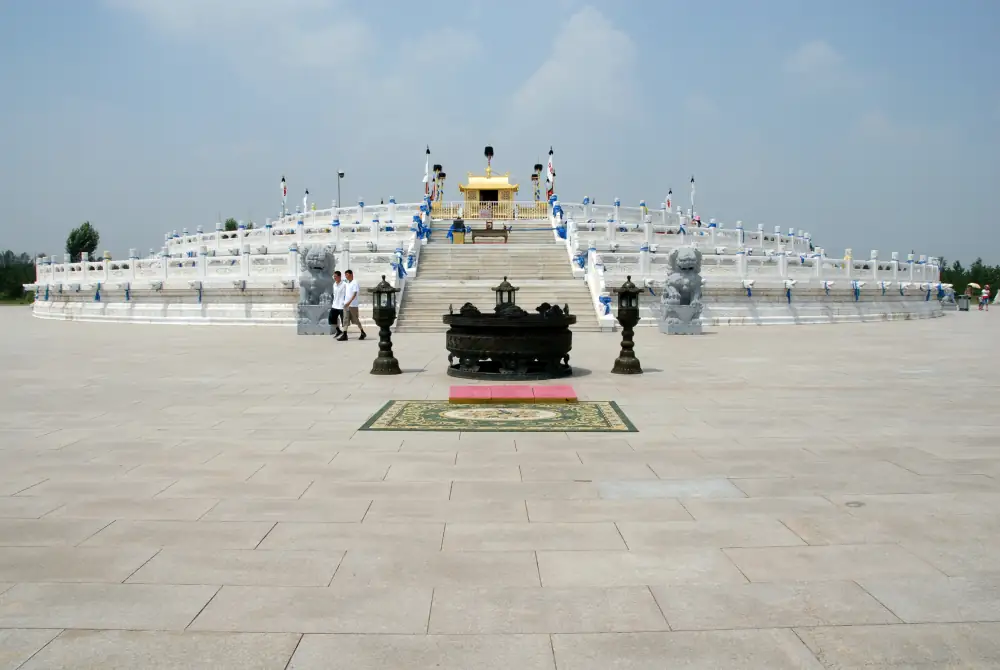
Gateway city: Hailar (海拉尔) — domestic flights from Beijing (2 hours), Hohhot (1.5 hours), and Harbin (1.5 hours). The city of Hailar is on the northern edge of the grassland and serves as the base for all Hulunbuir exploration.
Getting around: Renting a car in Hailar (¥250–350/day) gives the most flexibility for the dispersed grassland destinations. Organised tours from Hailar cover main highlights in 3–4 days.
Best time: July–August for maximum grass height and best weather; June for fewer visitors; September–October for golden grassland and migrating birds.
What to bring: Sun protection (UV is intense at this latitude and altitude), wind layer for cool evenings, and a wide-angle lens for the landscape.
The Hulunbuir grassland teaches you what space looks like when it isn’t used up — grass to every horizon, sky bigger than you’ve seen, and the realisation that this is what most of the world used to look like before it became productive.