
Inner Mongolia Autonomous Region (内蒙古自治区) is China’s second largest administrative division and one of its most dramatically different landscapes — the Mongolian steppe extending from the Gobi Desert in the south to the forested highlands of the north, home to a Mongolian population that maintains a distinctive nomadic cultural tradition.
Hohhot (呼和浩特, “Blue City” in Mongolian) is the regional capital and the most convenient gateway. The grasslands begin within 1–2 hours of the city.
Getting to Hohhot
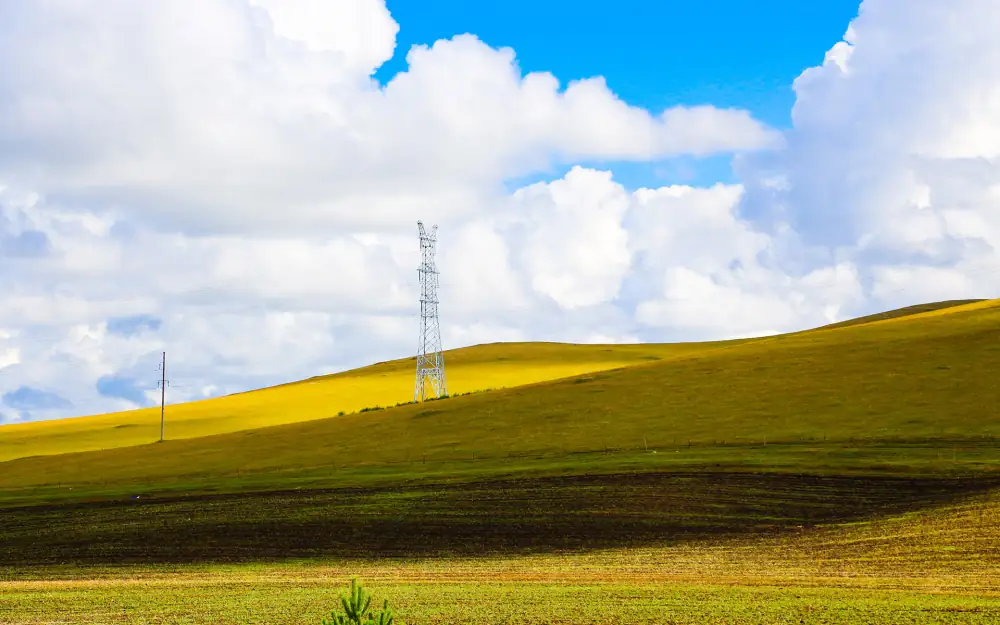
High-speed train from Beijing: 3.5–4 hours (Beijing to Hohhot East). This makes Inner Mongolia a viable extended weekend trip from Beijing.
Hohhot Baita International Airport has connections to major Chinese cities.
Xilamuren Grassland (希拉穆仁草原)
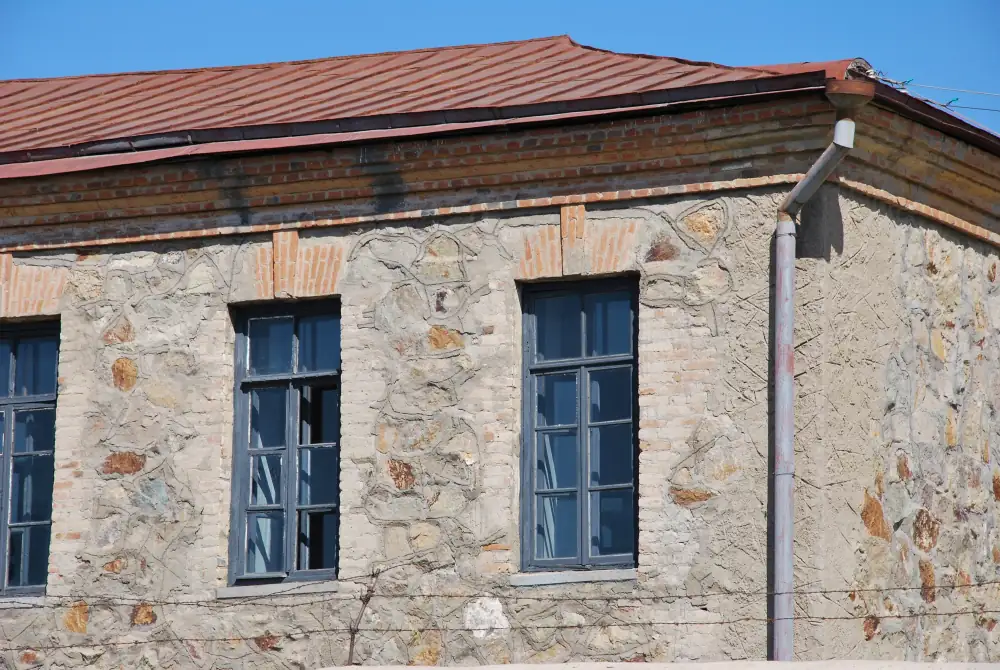
The closest grassland to Hohhot — 100km north, accessible in 1.5 hours by car. The primary entry point for most tourists from Hohhot.
Activities:
- Horse riding: All grassland tourism camps offer guided horse rides (¥80–150 per hour). The experience ranges from brief plodding circuits to genuine riding in open steppe (specify what you want when booking).
- Ger/yurt accommodation: Tourist camps rent traditional Mongolian gers fitted with basic beds, heating (essential in spring and autumn), and electricity. The experience of sleeping in a ger with the sound of horses and wind is excellent.
- Mongolian cuisine: Whole roasted lamb (整只烤羊), milk tea (奶茶), fresh yoghurt, airag (fermented mare’s milk, seasonal), and hand-held mutton (手把肉).
Authenticity note: Xilamuren is heavily tourist-oriented — neon lights in some camps, costume photo opportunities, karaoke. For more authentic grassland experience, the further camps in the Hulunbuir region or Xilingol League are better, but require more time.
Hulunbuir Grasslands (呼伦贝尔草原)
China’s largest natural grassland — genuinely remote, genuinely beautiful, and a 2-hour flight from Beijing or overnight train from Hohhot.
The Hulunbuir Plain is an uninterrupted sea of grass from horizon to horizon with the Moer River snaking through it. Seasonal wildflowers (June–July) and the September golden grass before the first frost are the most photographically spectacular times.
The Ewenki (鄂温克族) and Buryat Mongol minority communities in this region maintain reindeer herding and nomadic practices.
Nadam Festival (那达慕)
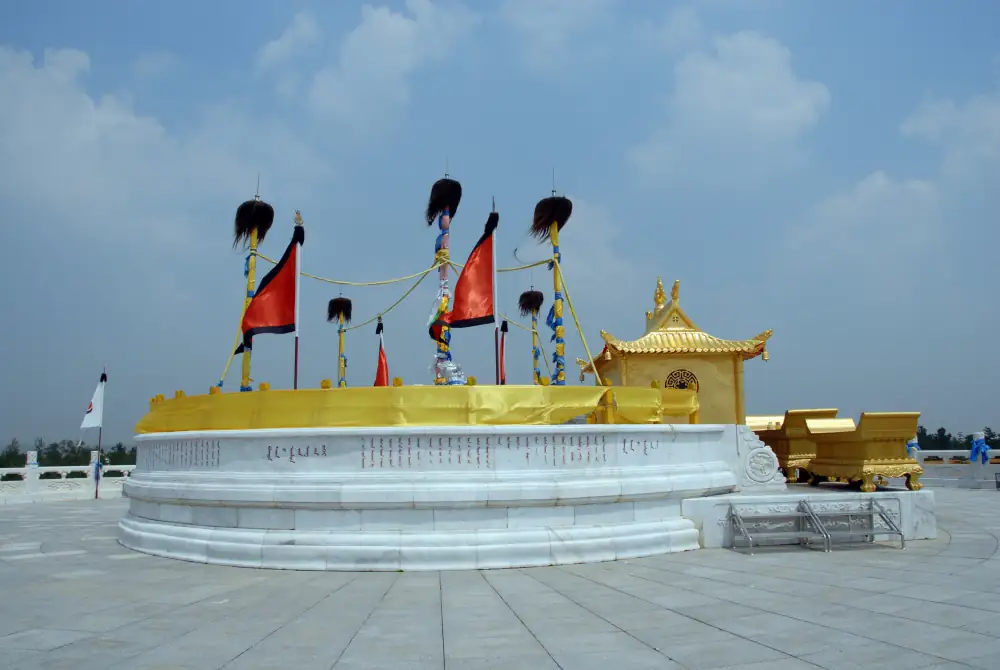
The annual Nadam Festival — held each summer (usually July–August, exact dates vary by location) — is the traditional Mongolian celebration of the “three manly games”: horse racing, archery, and wrestling.
The festival has a competition structure (children and adults, regional champions), traditional costumes, food markets, and community celebration. The Hulunbuir and Xilingol League Nadam festivals are larger and more traditional than the Hohhot area events.
For visitors: book accommodation well in advance for Nadam period (hotels and grassland camps fill completely). The horse racing is the most spectacular event — hundreds of riders in traditional dress racing across open steppe.
Practical Notes
Best time: June–September for grassland (green steppe); January–February for snow steppe (beautiful but extremely cold: -20 to -30°C).
What to wear in summer: Despite warm days, grassland nights can be cold (10–15°C). Bring a light down jacket. Mosquitoes can be numerous in July near water.
Transport: Hiring a private car and driver in Hohhot for 2–3 days is the most practical approach for grassland touring. Standard rate: ¥400–600/day.
Also see: Inner Mongolia Hohhot Guide | Hulunbuir Complete Guide