
Wenzhou (温州) is known internationally as the city that produces 70% of China’s cigarette lighters and half its shoes — a manufacturing powerhouse rather than a travel destination. But the mountainous interior of Wenzhou Municipality contains the Yongjia Valley (楠溪江), one of the least-visited and most authentic rural landscapes in eastern China.
The Yongjia River (楠溪江 Nánxī Jiāng) flows through a limestone karst valley flanked by ancient clan villages that were planned according to Song dynasty feng shui and geomancy principles — village layouts that encode cosmological beliefs in the positioning of wells, gates, ancestral halls, and residential blocks.
The Ancient Villages of Yongjia
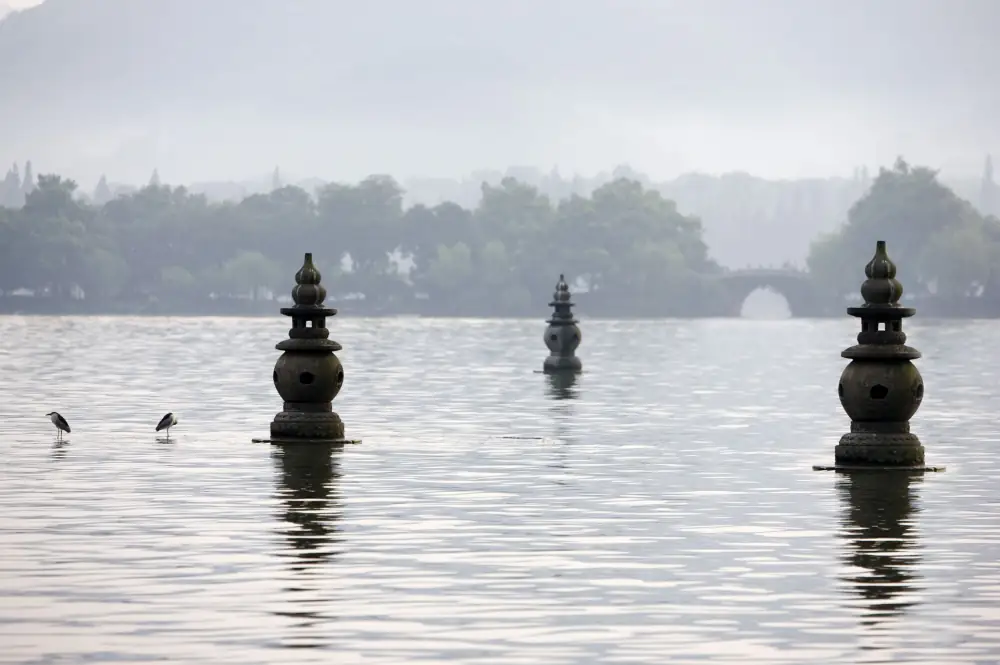
Approximately 50 ancient villages in the Yongjia Valley have been identified for their Song, Ming, and Qing dynasty architecture and clan planning. Most see very few foreign visitors.
Furong Village (芙蓉村): The most complete example of a “seven-star” village plan — a layout designed to align with the Pleiades constellation. The main ancestral hall (司马第), watchtower, and gate tower are original Ming dynasty structures.
Yanxia Village (岩坦古村): Smaller and less visited than Furong. The village is built against a cliff face with a communal waterway system channelling the mountain spring through the lanes.
Taizhao Village (太昭古村): At the junction of the river and a tributary — the meeting of waters was considered auspicious positioning. The entire village perimeter follows flood management principles encoded in the original Song layout.
Nanxi River Scenic Area (楠溪江风景区)
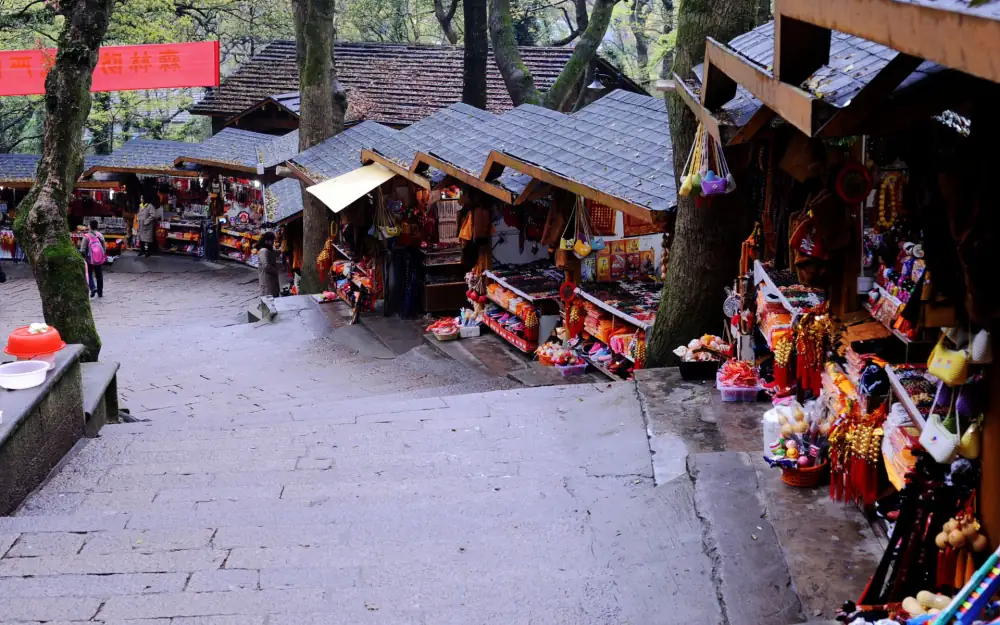
The Nanxi River itself is classified as a national scenic area for its clear green water, karst formations, and the traditional bamboo raft culture that still exists on the river.
Bamboo raft journeys (竹筏漂流) from various points along the river are the primary tourist activity — drifting through the gorge sections past sheer limestone cliffs. The most scenic stretches are in the central valley between Yanxia and Daping villages.
Getting There
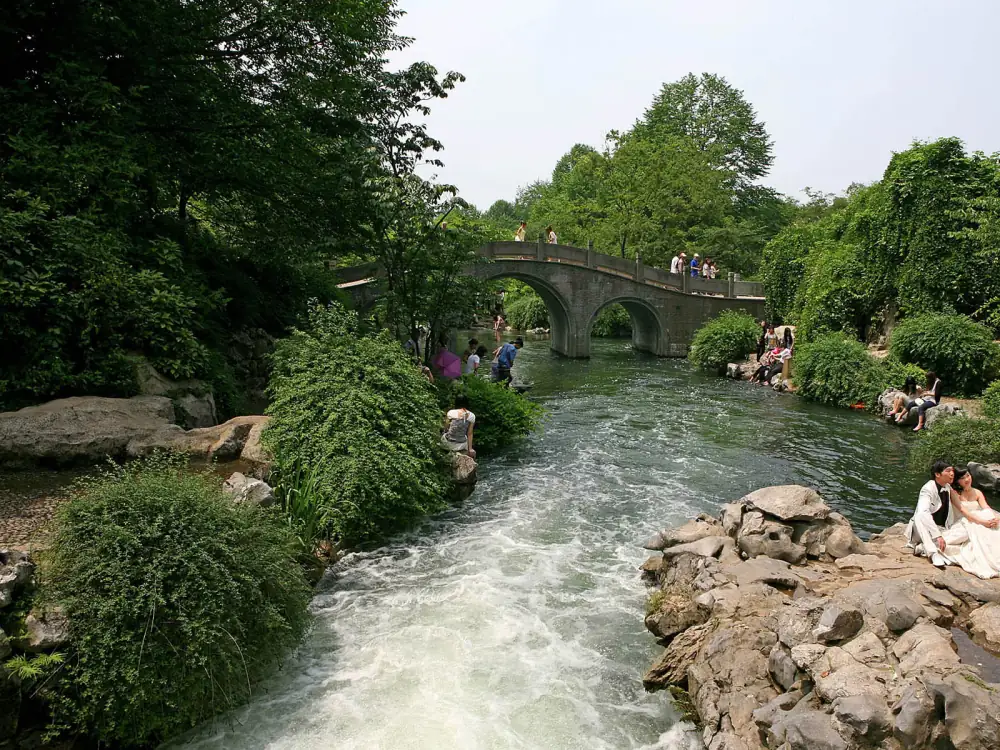
Wenzhou has an airport and HSR connections (Wenzhou South station, connections to Hangzhou 2 hours, Shanghai 2.5 hours, Fuzhou 1.5 hours). The Yongjia Valley is 30–60 minutes by bus from Wenzhou city.
Self-drive or private car is strongly recommended for the village circuit — public transport between villages is limited.
Why This Region Matters
The Yongjia clan villages represent a planning tradition that encoded environmental, social, and spiritual beliefs into physical form — and they survived because the region’s poverty (relative to coastal Wenzhou) meant there was no economic incentive to redevelop. The result is an accidental preservation of a way of building and living that has disappeared almost everywhere else in China’s wealthy coastal zone.
Also see: Zhejiang Coast Guide | China Ancient Villages Guide