
Shanxi Province (山西省) has more UNESCO World Heritage Sites, National Key Cultural Relics, and surviving Song dynasty wooden architecture than any other region in China — yet it remains dramatically undervisited by international tourists. The provincial capital Taiyuan (太原) serves as the hub for reaching the province’s three extraordinary UNESCO-listed assets: Pingyao Ancient City, Wutai Mountain, and Yungang Grottoes.
Getting to Taiyuan
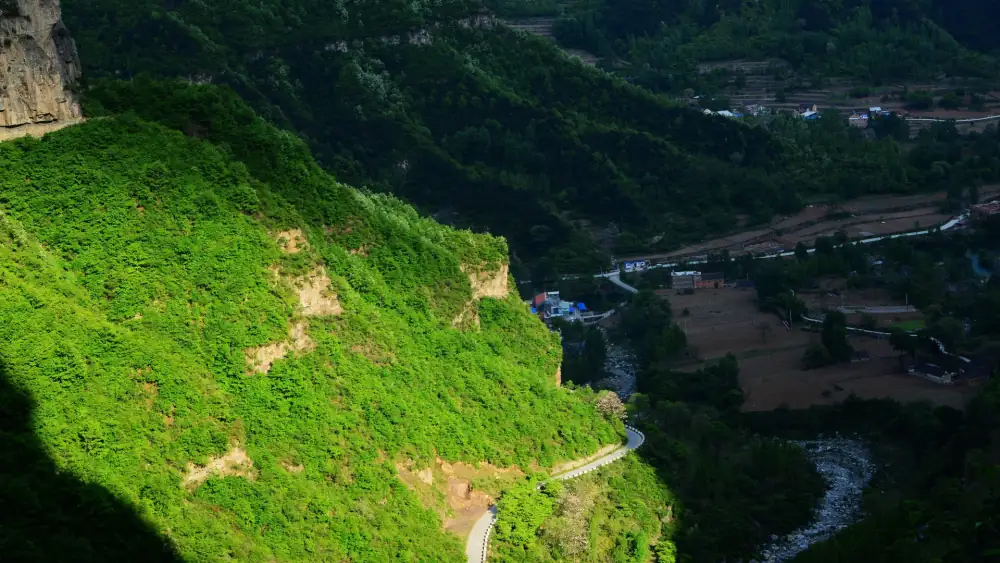
High-speed trains connect Taiyuan with Beijing (2.5 hours), Xi’an (3 hours), and Zhengzhou (2.5 hours). Taiyuan Wusu International Airport has domestic connections.
Pingyao Ancient City (平遥古城)
Pingyao is the best-preserved pre-modern Chinese walled city — the entire Ming dynasty city wall, the commercial street network, the courtyard residences, and the ancient banking district (Shanxi was 19th-century China’s banking centre) survive within a complete circuit.
Unlike reconstructed heritage areas (Lijiang’s Old Town, Xi’an’s Muslim Quarter), Pingyao’s old city is largely authentic. People still live in the courtyard houses; the Shanxi merchant guild halls are real 18th-century buildings; the city wall is original 1370 AD construction.
The Rishengchang Exchange House (日升昌票号) — the world’s first draft banking institution, established 1823 — was Pingyao’s most significant contribution to Chinese financial history. The museum explains the network of Shanxi merchant banks that replaced physical cash transport across China.
Staying in Pingyao: Courtyard guesthouses (客栈) within the old city wall provide the most atmospheric experience. Stay 2 nights minimum — the city deserves more than a single day.
Wutai Mountain (五台山)
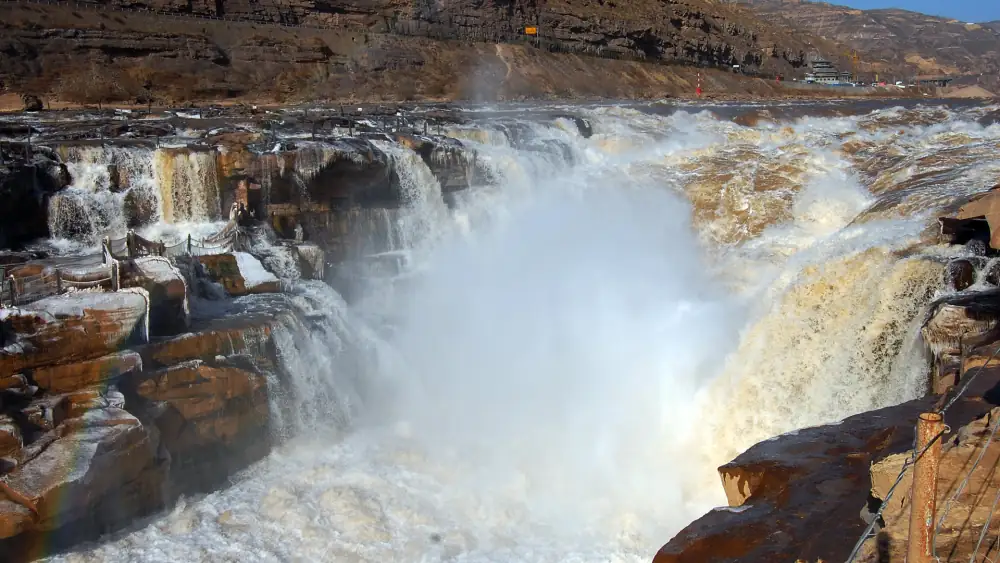
Wutai Mountain is one of China’s Four Sacred Buddhist Mountains and the earthly realm of Manjushri, the bodhisattva of wisdom. The complex of temples and monasteries across five distinct peaks contains the world’s highest concentration of Tang dynasty wooden architecture.
Nanchan Temple (南禅寺) and Foguang Temple (佛光寺) — two of the four remaining Tang dynasty wooden structures in the world (940–857 AD) — are both located in the Wutai Mountain area. These are among the most significant architectural survivals in Chinese history.
The main temple complex at Taihuai (台怀镇) has 86 active monasteries with monks from the Han Chinese, Tibetan, and Mongolian Buddhist traditions coexisting — an unusual multiplicity.
Yungang Grottoes (云冈石窟)
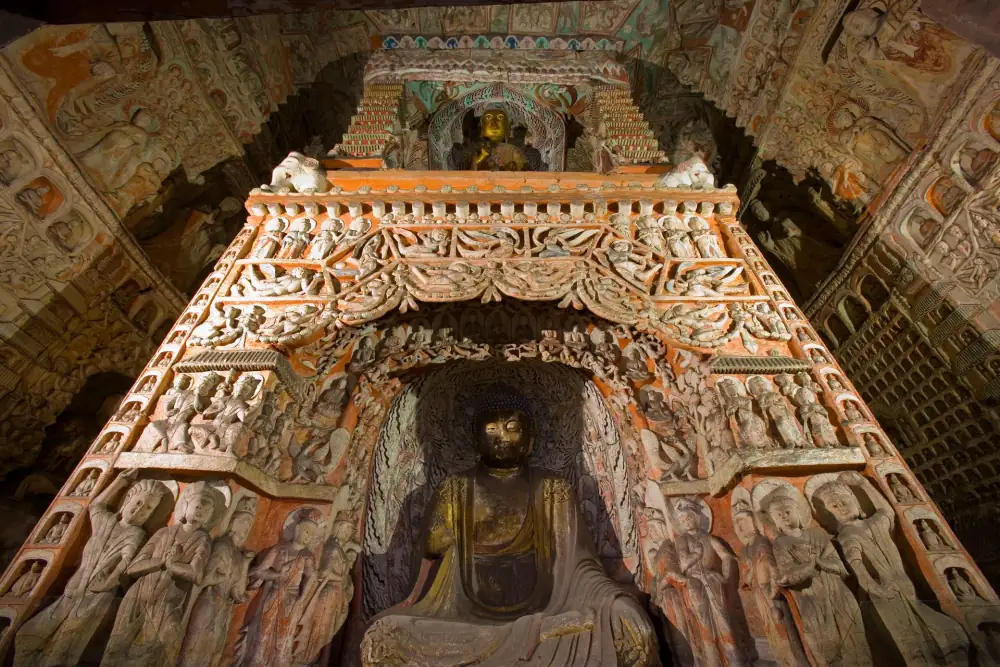
Near Datong (2 hours from Taiyuan by train), Yungang contains 252 cave temples and 51,000 Buddhist statues carved between 460–525 AD under the Northern Wei dynasty. The largest cave (Cave 3) is 25 metres tall. Cave 5 and 6 contain the most spectacular sculpture: a 17-metre colossal Buddha (Cave 5) and a central pillar entirely covered in carved narrative scenes (Cave 6).
Yungang represents the moment when Buddhist art from Central Asia was absorbed and transformed into a Chinese sculptural tradition — the caves show the stylistic shift happening across decades of production.
Also see: Shanxi Pingyao Datong Guide | Xi’an Travel Guide