
Inner Mongolia (内蒙古) is one of China’s five autonomous regions and one of its least-understood destinations. The name suggests one thing; the reality is considerably more varied. The region stretches nearly 2,500km from east to west — further than the distance from London to Moscow — encompassing grasslands, deserts, boreal forests, mountains, and stretches of the Gobi. The Mongolian culture that defines the region’s identity is genuine and alive, particularly in the pastoral north.
The misconception most visitors carry is that Inner Mongolia is all one thing. It isn’t. Hulunbuir in the northeast looks like the American Midwest crossed with Siberia. The Badain Jaran Desert in the southwest looks like the Sahara. They’re in the same province but separated by 2,000 kilometres.
Table of contents
Open Table of contents
Hulunbuir Grasslands (呼伦贝尔草原)
Hulunbuir in northeastern Inner Mongolia is widely considered the most beautiful grassland in China. The Hulunbuir plain is enormous — roughly the size of France — and in summer (late June through August), the grass is so deep and green it looks painted.
Hulunbuir City (海拉尔): The main hub for accessing the grasslands. Fly from Beijing (2 hours), Harbin (1 hour), or take the overnight train from Harbin (7–9 hours).
Grassland Experiences
Yurt stays (蒙古包): The way to experience the grasslands properly. Tourist yurt camps operate from June through September, ranging from basic (¥200–300/night per person, including meals) to luxury (¥800–2,000/night). Most include:
- Traditional Mongolian meals (roast lamb, milk tea, airag)
- Horseback riding (¥80–200/hour)
- Archery and other traditional activities
- Performances of Mongolian folk music (morin khuur, horse-head fiddle)
Horseback riding: This is the activity that defines a Hulunbuir visit. A full day of riding across open grassland, accompanied by a local guide, costs ¥400–800 per person including the horse, guide, and lunch.
Moerge (莫尔格勒河, “Nine Twists River”): A slow river that winds through the grassland in a series of meanders, with the best views from elevated ground above the bends. Drone photography here produces some of the most-shared Inner Mongolia images.
Shiwei (室韦): A small Russian-Mongolian border town on the Argun River — half Russian in atmosphere (the descendants of Cossack settlers who arrived in the early 20th century still live here). A surprisingly compelling detour about 300km north of Hulunbuir City.
Singing Sand Dunes — Xiangshawan (响沙湾)
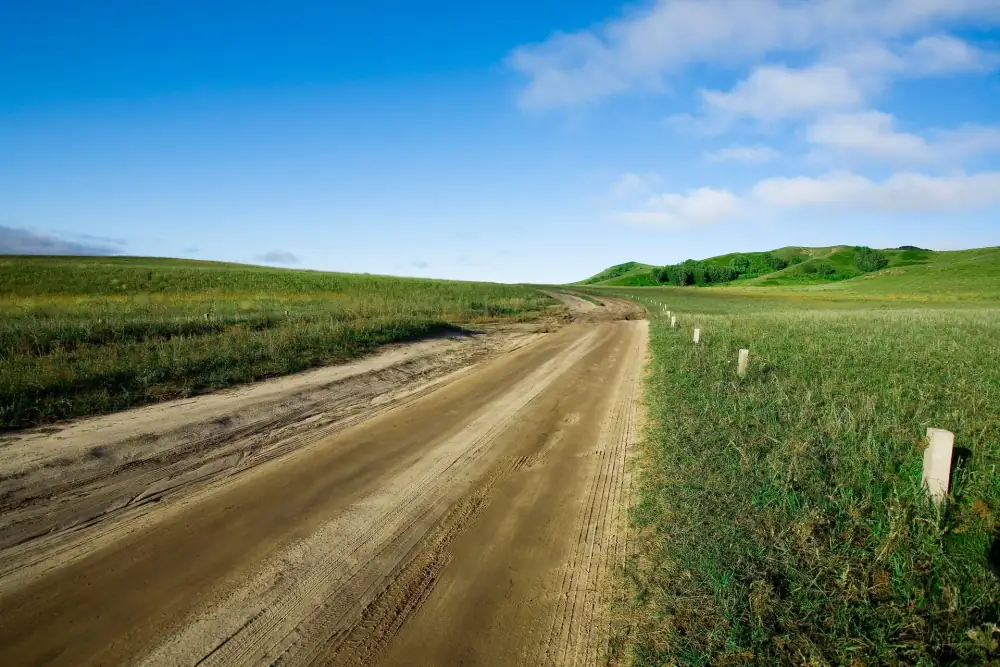
About 70km from Hohhot (the provincial capital), Xiangshawan is one of the more accessible desert experiences in Inner Mongolia. The sand dunes here produce a low rumbling sound when sand slides down the slopes — the “singing sands” effect caused by dry, well-sorted sand grains vibrating as they move.
Activities: Sand surfing (sandboarding down dune faces on boards), camel riding, 4WD desert driving
Entry fee: ¥155 per person
Getting there: Bus from Hohhot, about 1.5 hours, or package tour
This is more of a resort experience than wilderness — the site is developed with cable cars and activities. Better for families than serious desert travelers.
Badain Jaran Desert (巴丹吉林沙漠)
The Badain Jaran is the third-largest desert in the world (after the Sahara and Arabian Desert) and one of the most dramatic landscapes on earth. The dunes here are enormous — some reaching 500 metres high, among the tallest in the world. Between the dune fields, dozens of spring-fed lakes appear, creating a surreal contrast of blue water in yellow sand.
Location: Far western Inner Mongolia, in Alxa League (阿拉善盟)
Nearest town: Alxa Right Banner (阿拉善右旗), also accessible from Zhangye in Gansu province
How to visit: Jeep/SUV excursions are the only practical option — there are no paved roads into the main dune area. Most visitors join organised tours from Alxa or Zhangye. A 3-day desert tour costs ¥1,500–3,000 per person.
This is a more serious adventure destination than Xiangshawan — remote, physically demanding, and extraordinarily beautiful. The sunrise and sunset light on the high dunes is something else entirely.
Hohhot (呼和浩特) — The Provincial Capital
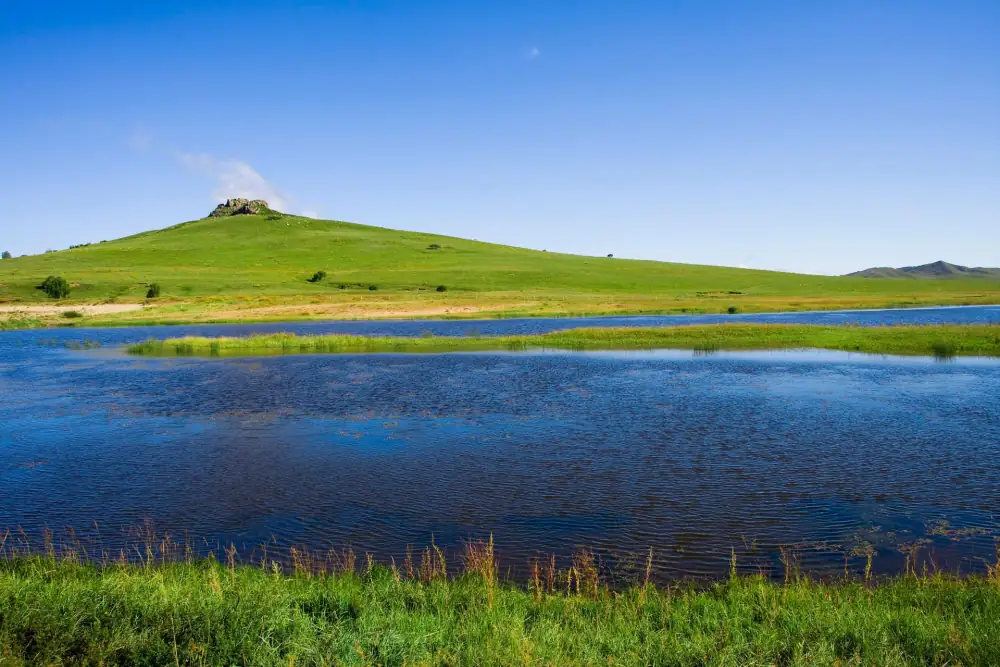
Hohhot is the administrative capital of Inner Mongolia and a reasonable base for nearby grassland and desert day trips.
Inner Mongolia Museum (内蒙古博物院): One of the best regional museums in China, with excellent exhibits on Mongolian culture, the dinosaur fossils found in the Gobi (some of the richest dinosaur fossil beds in the world), and the history of the steppe peoples.
Entry: Free; open Tuesday–Sunday
Dazhao Temple (大召寺): A 16th-century Tibetan Buddhist monastery in the old town. The main hall contains a silver Buddha cast in 1600, and the monastery has an active community of Mongolian Buddhist monks. Entry ¥40.
Old Town (旧城区): The area around Dazhao Temple has Mongolian restaurants and tea shops.
Mongolian Food
Mongolian cuisine is built around two things: lamb and dairy.
Roast whole lamb (烤全羊): The ceremonial feast dish, cooked underground or in a clay oven for several hours. Full lamb serves 8–12 people, costs ¥800–1,500. Usually available at yurt camps and specialist restaurants in Hohhot or Hulunbuir.
Hand-grabbed lamb (手扒肉, shou ba rou): Large pieces of boiled lamb eaten with the hands, with only salt. The most basic and authentic form. Available everywhere.
Mongolian mutton hotpot (涮羊肉): Different from Chongqing hotpot — clear broth, thin-sliced lamb cooked briefly, dipped in sesame sauce. The traditional Beijing style is actually of Mongolian origin.
Tsuivan (炒面条): Mongolian stir-fried noodles with vegetables and meat; a staple of grassland cooking. ¥15–30.
Airag (酸马奶): Fermented mare’s milk — slightly alcoholic, sour, and fizzy. An acquired taste that locals drink daily. Offered at yurt camps; available in markets. Don’t refuse if offered as hospitality.
Milk tea (奶茶): Traditional Mongolian milk tea is made with salty butter and roasted grain — completely unlike the sweet bubble tea using the same name. Very warming in cold weather.
Getting Around Inner Mongolia
The province’s size makes transport planning essential.
Planes: The most practical option for covering long distances. Airports at Hohhot (HET), Hulunbuir/Hailar (HLD), Manzhouli (NZH), Tongliao (TGO), and others. Domestic flights from Beijing to Hailar take 2 hours; to Hohhot, 1.5 hours.
High-speed trains: Connect Hohhot with Beijing (2.5–3 hours, ¥180–230) and other cities. Less useful for the remote grassland areas.
Regular trains: Overnight trains connect Hohhot with Hulunbuir (Hailar), about 11 hours. Useful for the journey itself — waking up as the train crosses into the grasslands is a good travel experience.
Driving: Essential once in the grasslands or desert areas. Car hire with driver is the standard option; self-driving is possible with an international license.
When to Visit
Grasslands (June–August): Peak season for Hulunbuir — green, warm, full traditional activities. July–August is peak and prices are highest.
Desert (April–June and September–October): Spring and autumn are best for desert visits — cooler temperatures. Summer is extremely hot in the Gobi.
Winter: -30°C in Hulunbuir; only for extreme cold-weather travelers. The winter grassland has its own desolate beauty.