
The Friendship Highway (中尼公路, G318) runs from Lhasa to the Nepal border through the heart of the Tibetan Plateau. At nearly 5,000m average elevation, this route passes through the roof of the world: past the Potala Palace, through Shigatse and the Tashilunpo Monastery, to the turnoff for Everest Base Camp, and then down through the dramatic Himalayan escarpment to the Nepal border at Kyirong. It is, unambiguously, one of the great overland journeys on earth.
It also requires more paperwork than almost any other journey described in this guide.
Table of contents
Open Table of contents
The Permits You Need
This is the most important section. Read it carefully before planning.
Tibet is not like the rest of China — it requires multiple layers of permits that foreign visitors must obtain before entering. As of 2026, the requirements are:
1. Chinese Visa (Standard)
You need a valid Chinese visa in your passport first. This is the base requirement. Apply at a Chinese embassy or consulate in your home country.
2. Tibet Travel Permit (TTB)
The most important Tibet-specific document. Issued by the Tibet Tourism Bureau. You cannot obtain this yourself — it must be arranged through a registered Tibet travel agency. This involves:
- Booking a licensed Tibet tour package with an agency
- Providing scanned passport and visa details
- The agency applies on your behalf
Processing: 15–20 working days typically. Applications cannot be submitted to Tibet Tourism Offices directly by tourists.
The TTB is required just to enter Tibet by any means — flight to Lhasa, train to Lhasa, or overland from Nepal.
3. Alien’s Travel Permit (Military Area Permit)
Required to travel beyond Lhasa to most of the Friendship Highway, including Shigatse, Gyantse, and onward. Applied for at the Public Security Bureau (PSB) in Lhasa — your tour agency handles this.
4. Frontier Defense Permit (Border Area Permit)
Required for travel near the Nepal border area, including Kyirong. Also applied through your tour agency.
5. Everest Area Permit
If you’re visiting the Everest Base Camp area (which most people on this route do), an additional permit is required.
The practical reality: You must book through a registered Tibet travel agency. There is no legal way to travel the Friendship Highway independently. The agency requirement is strict and enforced. Your agency organizes all permits, provides a licensed Tibetan guide, and arranges transport (usually a 4WD land cruiser with driver).
Altitude: The Physical Reality
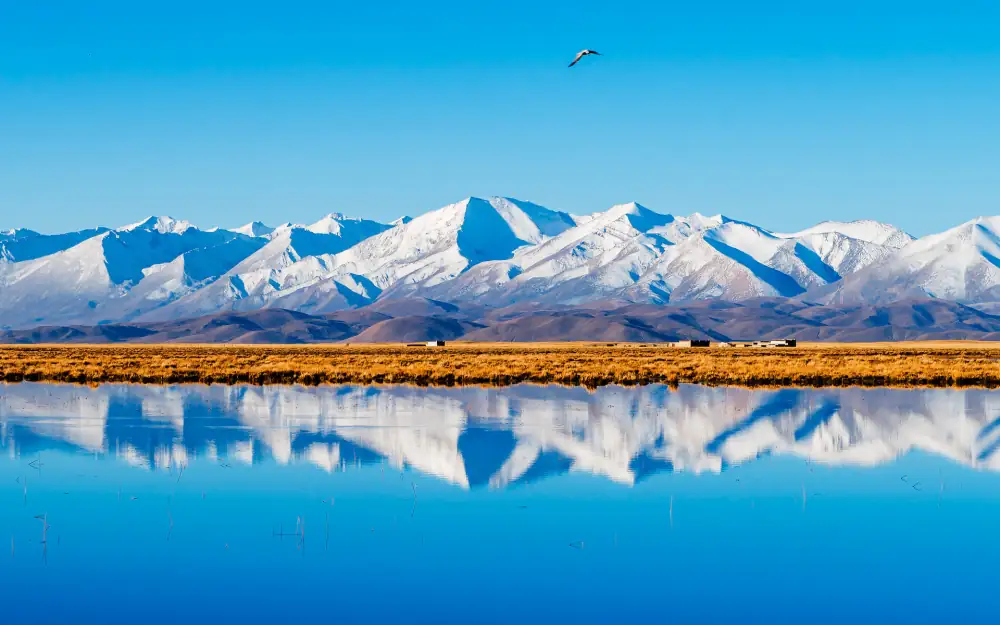
Lhasa sits at 3,656m. The Friendship Highway climbs higher — the Gyatso-La Pass is at 5,254m. Altitude sickness is a serious risk that has hospitalized and killed travelers on this route.
Standard advice:
- Spend minimum 2 nights in Lhasa before continuing (ideally 3–4 nights)
- Don’t overexert yourself in Lhasa — walking slowly, drinking lots of water
- Carry prescription altitude medication (diamox/acetazolamide — consult your doctor before travel)
- Know the symptoms of acute mountain sickness (AMS): severe headache, nausea, ataxia, confusion. Descend immediately if symptoms worsen.
- Insurance that covers helicopter evacuation from altitude is strongly recommended for this trip
The Route: Lhasa to Kyirong
The full journey is approximately 1,000km and takes 4–7 days depending on your itinerary and how many days you spend at Everest Base Camp.
Lhasa (3,656m)
Starting point. Spend the first days acclimatizing and visiting the Potala Palace, Jokhang Temple, Barkhor bazaar, and Sera Monastery. Lhasa is more substantial than many visitors expect — allow at least 2 full days beyond acclimatization.
Gyantse (3,977m)
Three hours from Lhasa via Yamdrok Lake. The Kumbum Stupa in Gyantse — a five-story circular structure with chapels at each level containing thousands of images — is unique in Tibetan Buddhism. The Palkhor Monastery is a working monastery with monks in residence.
Yamdrok Lake en route: A stunning turquoise lake at 4,441m, visible for an hour of driving from a high ridge. One of the most photographed views in Tibet.
Shigatse (3,836m)
Tibet’s second city and seat of the Panchen Lama. The Tashilunpo Monastery is the main attraction — a vast complex of whitewashed buildings and golden roofs housing thousands of monks. The enormous Maitreya Buddha statue (26m tall) inside is one of the largest bronze statues in the world. Budget half a day minimum.
Gyatso-La Pass (5,254m) and Lhatse
The highest pass on the Friendship Highway. At this elevation the landscape becomes alien — no vegetation, just rock and sky. Short walk from your vehicle to the prayer flags at the top. Even fit, acclimatized travelers feel the altitude here.
Everest Base Camp Turnoff
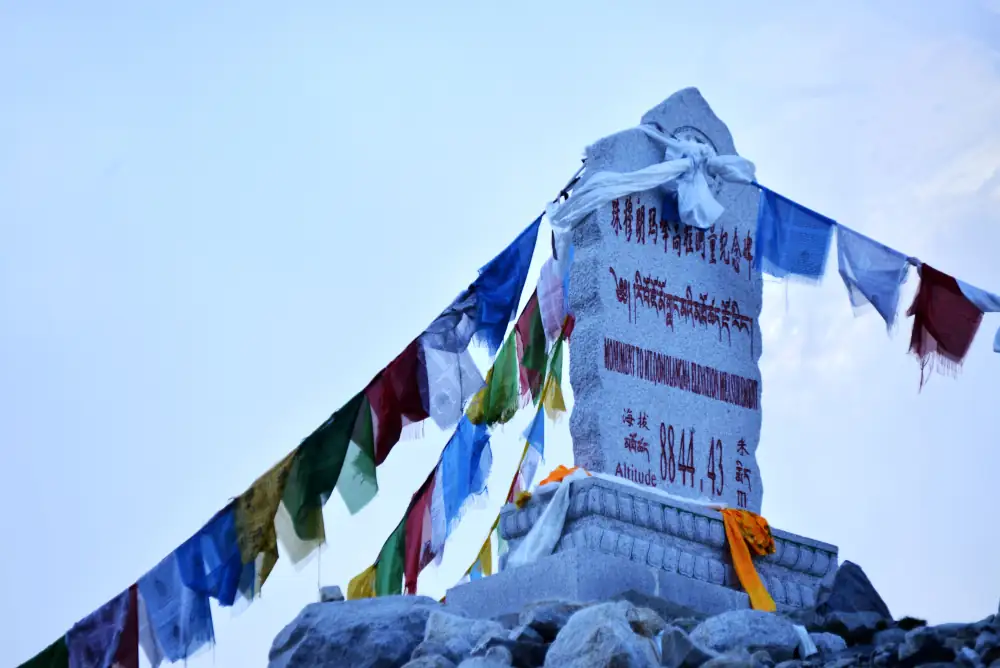
About 100km from Lhatse, the road to Rongbuk Monastery and Everest Base Camp (EBC) branches south. The drive to EBC takes 3–4 hours on rough road. Rongbuk Monastery at 5,100m is the highest monastery in the world and the view of Everest’s north face from the ridge above is extraordinary on clear days.
EBC at 5,200m: This is the Chinese-side base camp (different from the Nepal-side South Base Camp at 5,364m). A tent camp of simple guesthouses operates here in season (May–October) — sleeping at EBC is possible for about ¥200–400/night per person.
Kyirong (吉隆, 2,800m)
The final Chinese town before the border. The descent from the plateau to Kyirong is dramatic — 2,000 meters of elevation drop in about 80km, from brown high plateau to green river valley with bamboo and subtropical vegetation. The change in landscape is startling.
Kyirong itself is a small town with guesthouses (¥150–300/night) and restaurants. Many travelers spend the final night here before crossing.
The Kyirong Border Crossing to Nepal
The Kyirong Port (吉隆口岸) is the primary crossing point for overland travel between Tibet and Nepal since the 2015 earthquake severely damaged the former Zhangmu crossing.
Border hours: 9:00am–5:00pm (Tibet time) / 8:30am–4:30pm (Nepal time). Note Nepal is 2 hours 15 minutes behind Beijing time.
Process:
- Chinese exit immigration at Kyirong Port — passport stamped
- Drive or walk ~7km to Rasuwagadhi border gate (Nepal side)
- Nepal entry immigration at Rasuwagadhi
Nepal Visa: Most nationalities can obtain a Nepal tourist visa on arrival at Rasuwagadhi. Cost: US$25 for 15 days, US$40 for 30 days. Bring USD cash and a passport photo.
From the Nepal border to Kathmandu: About 130km on a winding mountain road through the Trishuli River valley. The journey takes 5–7 hours. Shared jeeps are available from the border; your agency may also arrange private transport through the journey.
Costs and Budgeting
Tibet tour packages including guide, transport (4WD land cruiser), permits, and most accommodation run approximately ¥3,000–6,000 per person for a 7–10 day Lhasa to Nepal trip, depending on group size (smaller groups cost more per person) and accommodation choices.
Flights Chengdu (or Beijing) to Lhasa: ¥800–2,000 depending on timing and booking.
Total budget for the full journey from a Chinese gateway city to Kathmandu: ¥8,000–15,000 per person including flights, permits, and tour package.
Best Time to Travel
May–June and September–October are the best months. The roads are clear, views are generally good, and temperatures are manageable. May catches the last of the clear pre-monsoon skies.
July–August: The monsoon affects road conditions, especially near the Nepal border. Some sections become muddy or impassable after heavy rain.
November–February: Cold (below -20°C at altitude), some routes closed, but spectacular clear skies and minimal crowds.
March–April: Politically sensitive period (anniversary of 1959 uprising) — Tibet sometimes restricts or closes permits to foreign visitors around March 10–15. Apply well in advance and confirm permit issuance.