
Yangzhou: The Grand Canal’s Most Civilised City
For a brief, extravagant period in the 18th century, Yangzhou was arguably the wealthiest city in China. The salt merchant families who controlled the trade in one of the empire’s most essential commodities invested the profits in gardens, private opera troupes, and food of such refinement that Huaiyang cuisine became one of China’s four recognised classical cooking traditions.
Slender West Lake (瘦西湖)
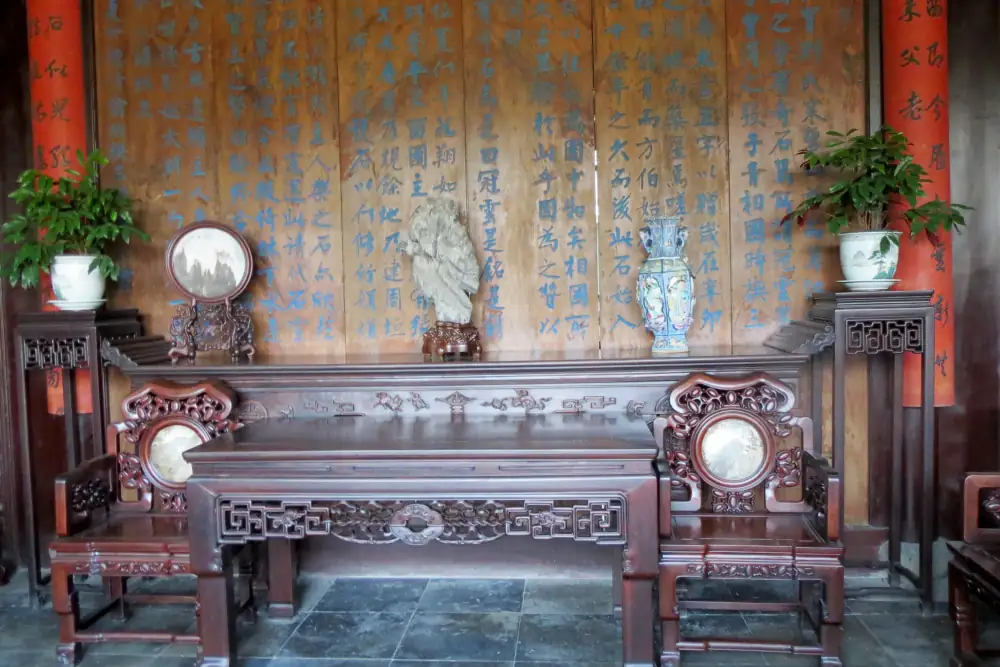
Slender West Lake is an artificial lake created in the imperial garden style, with its 4-km length beautified by competing salt merchants.
Five Pavilion Bridge (五亭桥): An 18th-century bridge supporting five yellow-roofed pavilions. Its 15 arches are designed so that a full moon reflected in each arch simultaneously creates a composition of multiple moons.
White Pagoda (白塔): Built by a salt merchant to impress the Qianlong Emperor on his southern inspection tour.
Fishing Terrace (钓鱼台): Positioned so its three arched windows frame the Five Pavilion Bridge and White Pagoda simultaneously — a deliberately engineered view.
Admission: ¥150 peak / ¥90 off-peak.
Classical Gardens
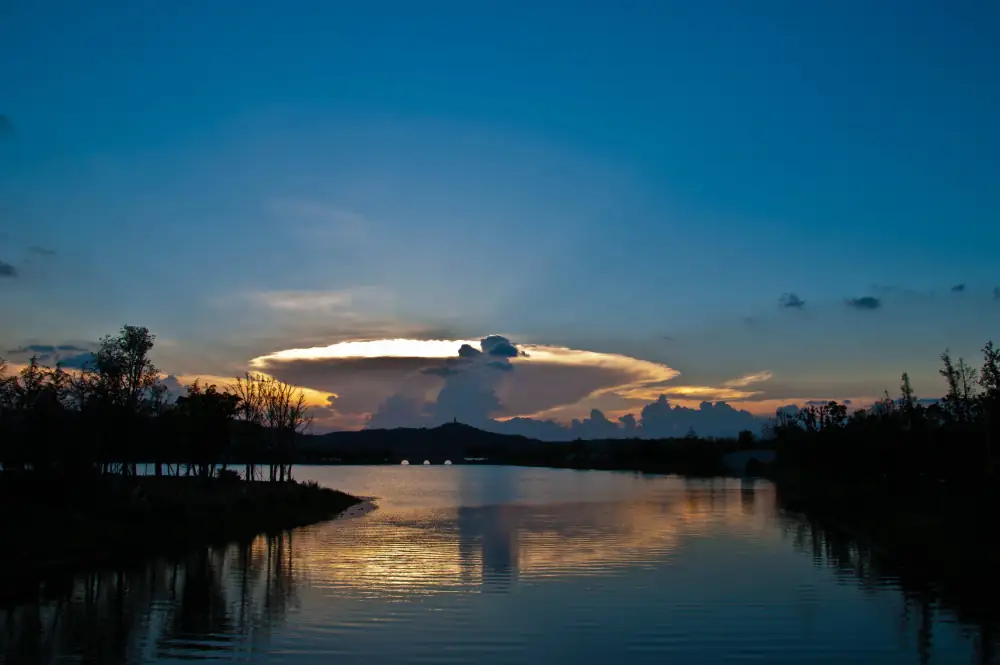
He Garden (何园)
The largest private garden in Yangzhou, built in 1883. Its double-deck corridor connects all parts of the garden at second-floor level, blending Western architectural elements with traditional Chinese garden aesthetics. Admission: ¥40.
Ge Garden (个园)
Famous for four seasonal rockery compositions — spring bamboo and limestone, summer Taihu rocks, autumn yellow sandstone, and winter white quartz. The concept compresses all four seasons into a single garden visit. Admission: ¥45.
Huaiyang Cuisine
Huaiyang cuisine (淮扬菜) is one of China’s four classical cooking schools, emphasising knife skills, freshness, and seasonal ingredients.
Lion’s Head Meatball (狮子头): A massive soft-braised pork meatball in a light soup.
Dried Tofu Threads (干丝): A single slab of firm tofu cut into gossamer-thin threads by a master knife technique — the supreme test of Huaiyang craftsmanship.
Yangzhou Fried Rice (扬州炒饭): The internationally famous original, with egg, ham, shrimp and spring onion.
Where to eat: Fuchun Tea House (富春茶社, since 1885) for morning dim sum; Yechun Tea House (冶春茶社) for canal-side dining.
The Grand Canal
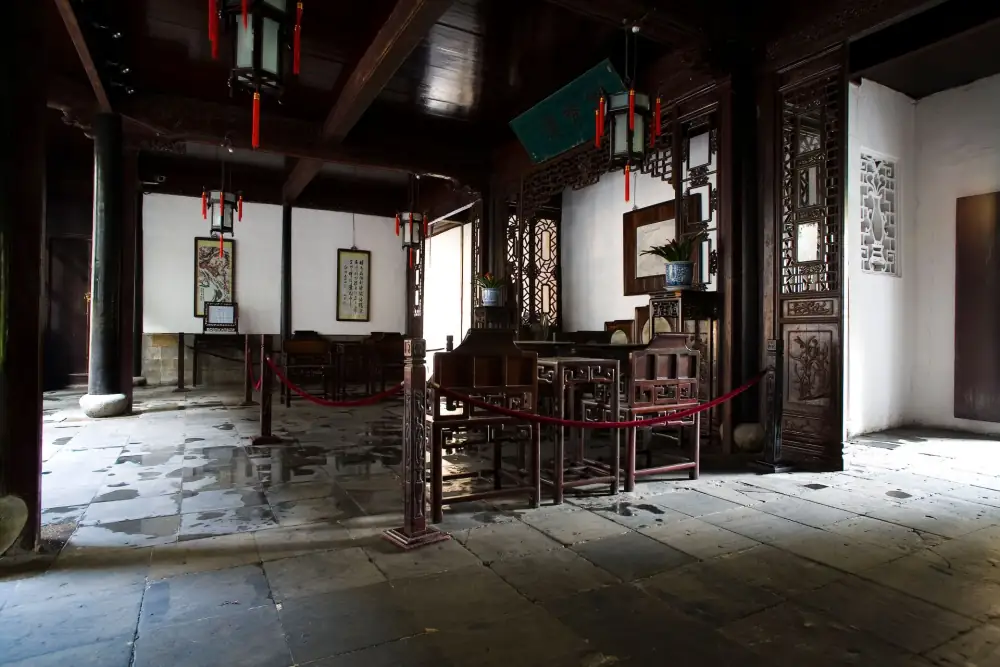
Yangzhou sits at the historic junction of the Grand Canal and Yangtze River. Evening canal boat tours (¥60–80/person, 60–90 min) pass historic warehouses and stone bridges illuminated at night.
Getting There
From Nanjing: expressway bus 1.5 hours (¥35–45). From Shanghai: high-speed train to Zhenjiang, then bus to Yangzhou (30 min). Best seasons: spring and autumn.
Yangzhou’s genius is unhurried refinement — the knife skills that take 20 years to develop, the garden that requires a lifetime to understand. It is a city that has decided excellence in small things is the highest ambition.