
Table of contents
Open Table of contents
Getting to Suzhou
Suzhou is 25 minutes from Shanghai Hongqiao Station by high-speed train — one of the world’s fastest train connections between a major city and a renowned tourist destination.
Train options:
- Shanghai Hongqiao → Suzhou: High-speed (G-train), 24 minutes, ¥34.5. Trains run every 10–20 minutes.
- Shanghai → Suzhou: Regular speed (D and K trains), 40 minutes to 1 hour, ¥14–30.
- Nanjing → Suzhou: 35 minutes by high-speed, ¥93.
From Suzhou Railway Station (苏州站), take Metro Line 4 to get to the old city area. Suzhou North Station (苏州北站, for some G-trains) is further out — take Line 3 or a taxi.
The Nine Gardens: Beyond the Famous Four
The Essential Three (Most Visitors See These)
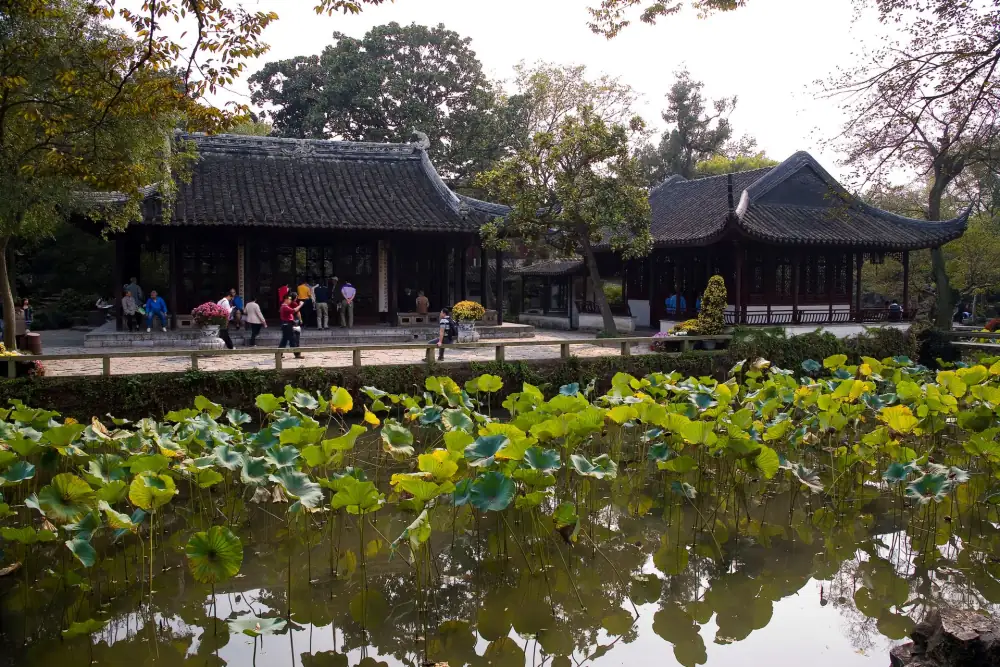
- Humble Administrator’s Garden (拙政园): Suzhou’s largest and most famous. ¥70. Allow 2 hours.
- Tiger Hill (虎丘): The leaning pagoda and history. ¥60.
- Lingering Garden (留园): Superb Taihu rock collection. ¥45.
The Hidden Gems
Couple’s Retreat Garden (耦园) This garden feels genuinely residential — it was built in the late Qing Dynasty for a retired official and his wife, and it’s divided into two gardens (east and west) connected through the house. The intimate scale and romantic atmosphere (it was explicitly designed for a couple) make it quite different from the grandiose statements of the larger gardens.
Entry: ¥25. Open 8am–5pm. Location: along a canal in the Cangfang area, about 20 minutes walk from Pingjiang Road. Almost never crowded.
Master of Nets Garden (网师园) Don’t let the small size fool you — garden design historians consider Master of Nets one of the finest examples of compressed garden artistry anywhere. The main garden fits in a space smaller than a tennis court but creates a complete world of pond, pavilions, moon gate framing, and layered views. The design makes you feel you’re in a space much larger than reality.
Entry: ¥40. Open 8am–5pm. Evening visits April–October (7:30pm–10pm, ¥100) include traditional performances of Kunqu opera, pipa music, and embroidery demonstrations in different pavilions — one of Suzhou’s most magical experiences.
Canglang Pavilion (沧浪亭) The oldest surviving garden in Suzhou, dating to the Northern Song Dynasty (11th century). It has a roughness and restraint that feels different from the later Qing-era gardens — more rock, more wild vegetation, less jewel-box perfection. The garden sits outside the moat that surrounds it, and the water and garden interact through latticed windows and open corridors.
Entry: ¥20. Open 7:30am–5:30pm.
Garden of Harmony (怡园) A late-Qing garden that intentionally referenced and quoted the other Suzhou gardens. Think of it as a “greatest hits” of garden design — it incorporates elements inspired by Lingering Garden, Humble Administrator’s Garden, and others. Small, elegant, and often empty of tour groups.
Entry: ¥15. Open 8am–5pm.
Shizi Grove Garden (狮子林) Built in 1342 with Taihu limestone rocks arranged into a maze-like sculpture garden. The rock formations are named after lions in various poses — more whimsical and playful than the serene classical gardens. Owned by the I.M. Pei family for a period in the 20th century (the architect’s grandfather bought it). The Pei family connection is explained by on-site exhibits.
Entry: ¥30. Open 8am–5pm.
Suzhou’s Canal Neighborhoods
Pingjiang Road (平江路)
The most famous preserved canal street, running about 1.6km alongside a canal in the Old City. Early mornings (before 9am) and late evenings (after 7pm) reveal the architecture and canal atmosphere without the souvenir-shop density. The best sections are the side alleys (小巷) that branch off from the main road — narrow passages between whitewashed walls leading to private canal bridges.
Shantang Street (山塘街)
The tourist version of Suzhou’s canal life — brightly lit, heavily commercialized, still visually attractive. The evening scene is genuinely pretty with lantern reflections in the water. Best approached at 7–9pm when the lights are on and the foot traffic has some energy to it. The boat rides here (¥60–80/person, 30 minutes) are touristy but give a canal-level perspective you can’t get from the banks.
Caijia Canal Area (彩家巷)
Much less visited. A canal neighborhood where ordinary Suzhou residents still live — laundry hanging between buildings over the water, old women at their doorways, cats on canal-side steps. The atmosphere is the real Suzhou. Walk from the Garden of Harmony south along the smaller canals.
Tonghe Canal District (桐和路)
One of the least touristed canal areas, with traditional architecture still in residential use. Find it on a map and just walk — the network of bridges and canal lanes here is what Suzhou would look like without tourists.
Night Boat Rides
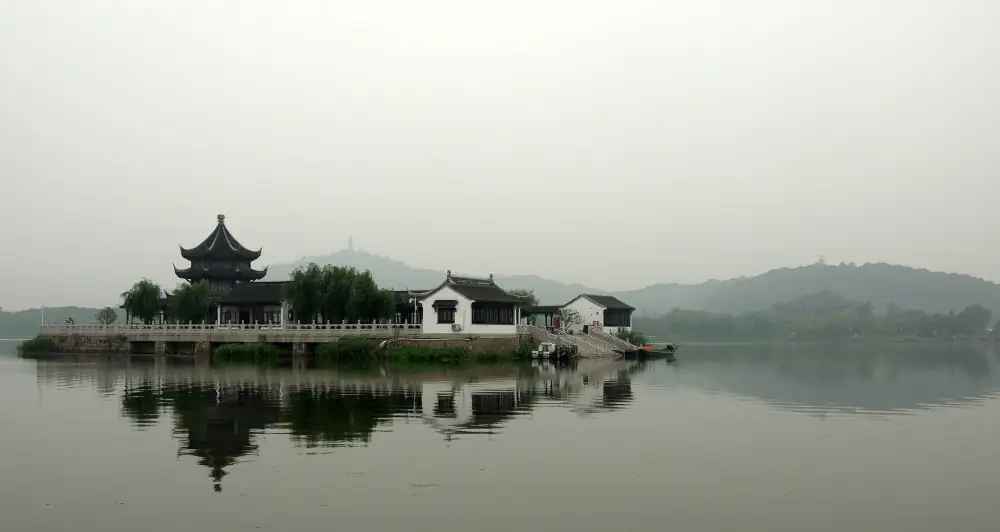
Evening boat rides on Suzhou’s canals are significantly more atmospheric than the daylight version. The combination of lit bridges reflecting in dark water, the narrow passages between buildings, and the sound of the water under oars creates something genuinely beautiful.
Booking options:
- Shantang Street boats: Touristy but easily accessible, ¥60–80/person
- Pingjiang Road boat rental: Small wooden boats for 2–4 people, ¥120–180 for 45 minutes
- Private evening tour by boat: Several operators offer 2-hour canal circuits including night viewpoints. ¥200–350/person, book through hotels or via Mafengwo/Ctrip
Best time: 8–10pm when bridges and key buildings are illuminated.
Suzhou Silk and Embroidery
Suzhou’s silk industry is not just historical — it’s still producing. The No. 1 Silk Mill (中国苏州第一丝绸厂) near Tiger Hill runs factory tours (¥30) that show the entire process from silkworm cocoon to finished fabric. The attached showroom sells genuine Suzhou silk products. The tour takes about 45 minutes and explains why genuine Suzhou silk costs what it does.
Suzhou embroidery (苏绣) is a recognized national intangible cultural heritage. The China Suzhou Embroidery Research Institute (苏州刺绣研究所) in the Humble Administrator’s Garden area has a display hall and sells authentic embroidered pieces. Watching the embroiderers at work — pulling silk threads finer than hair through fabric at astonishing speed and precision — is one of the genuinely impressive craft demonstrations in China. Small embroidered items from ¥80; significant works can cost tens of thousands.
Kunqu Opera (昆曲)
Kunqu is considered the “mother of Chinese opera” — most other regional opera styles developed from it. It’s also older (origins in Suzhou/Kunshan area from the 14th century) and slower-paced than Peking Opera, with a lyrical quality and elaborate costume design.
Where to see it:
- Suzhou Kunqu Opera House (苏州昆剧院): Regular performances, tickets ¥50–150. Check schedule on arrival.
- Master of Nets Garden evening show: Different musical and opera pieces performed in different pavilions. The most atmospheric setting.
- Pingtan Museum (苏州评弹博物馆): Pingtan is Suzhou’s narrative ballad tradition (not Kunqu, but related). Free entry, occasional performances.
Where to Stay
Inside the Old City
The best Suzhou experience is sleeping inside the canal district rather than in the new commercial areas.
- Budget (¥100–200/night): Canal-side guesthouses in the Pingjiang area. Many have rooms that open onto the canal. Book early as these fill up.
- Mid-range (¥250–450/night): Boutique hotels in renovated traditional buildings. Garden View Inn (花间堂苏州拙政别院) from ¥350/night.
- Luxury: Tongli International (同里国际)… or better: Pan Pacific Suzhou — built around the UNESCO Tongli Water Town adjacent, with its own garden. From ¥800/night. One of the most beautiful urban hotels in China.
Day Trip to Tongli Water Town (同里)
30km south of Suzhou, Tongli (同里) is an authentic water town with connected canals, stone bridges, and traditional architecture. Less touristy than Suzhou’s main sites and best visited on weekday mornings.
Entry: ¥100 (includes admission to main historic homes). From Suzhou, buses run from the South Bus Station (南门汽车站), about 45 minutes. Also reachable by DiDi (¥60–80).
Practical Information
Best seasons:
- Spring (March–May): Peak season for gardens, with flowering trees in bloom. March–April sees Suzhou’s famous peach blossoms. Busy but worth it.
- Autumn (September–November): Excellent light, moderate temperature, some foliage. Fewer crowds than spring.
- Summer (June–August): Hot and humid (35°C+). Lotus flowers bloom in garden ponds (July is best). Manage heat by scheduling outdoor activities for early morning and evening.
- Winter (December–February): Quiet, mist on the canals, occasional snow — magical. Some garden paths close after rain.
Getting around Old City: Walking and cycling are ideal. Metro Line 1 has stops near some major sites. Taxi from station to old town: ¥20.
Scams: The “Suzhou silk scam” (someone approaches you claiming to be an art student selling fake/overpriced silk) is the main one to be aware of. Buy silk only from established shops.
Suzhou’s depths only reveal themselves over multiple days. A weekend from Shanghai barely scratches the surface — budget at least 2–3 days if you want to move beyond the famous gardens into the living city that surrounds them.