
Shaanxi (陕西) served as the imperial capital of China for 13 dynasties — from the Zhou Dynasty through the Tang, a period of 1,100 years. Xi’an (formerly Chang’an, “Eternal Peace”) was the eastern terminus of the Silk Road and the world’s most populous city during the Tang Dynasty. Today, the province offers one of the world’s densest concentrations of historical sites.
Table of contents
Open Table of contents
Xi’an — Imperial Capital
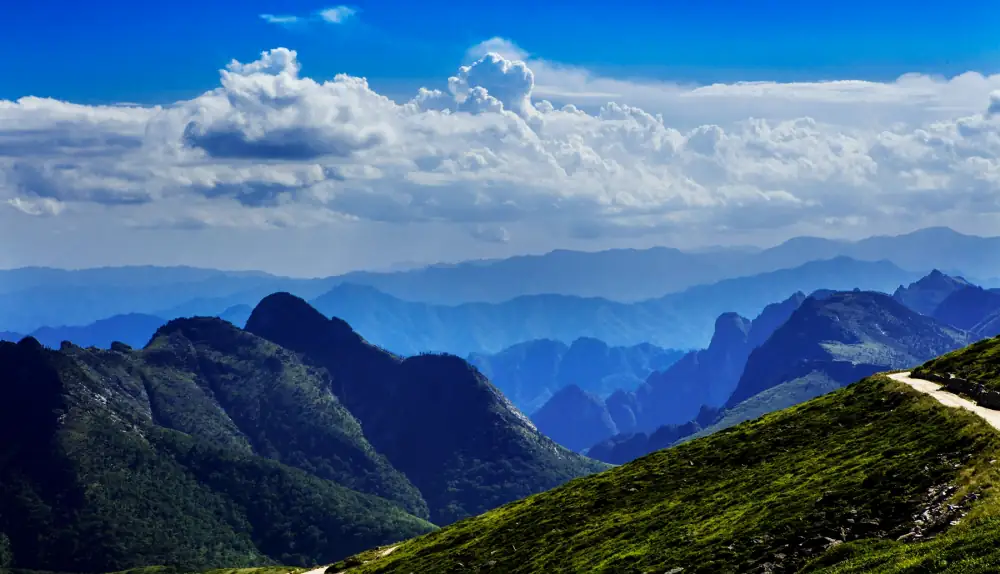
Terracotta Warriors (兵马俑) — UNESCO World Heritage
No superlative does justice to this discovery: 8,000+ life-size clay soldiers, horses, and chariots buried in 246 BC to guard the tomb of China’s first Emperor, Qin Shi Huang. Each soldier has unique facial features; they were originally brightly painted. The scale is incomprehensible until you stand before Pit 1 — a football field-sized excavation of standing warriors in battle formation.
Essential visits:
- Pit 1 — the main excavation; most figures assembled in situ; massive scale
- Pit 2 — partial excavation; gives a better sense of how figures were buried (in pieces)
- Pit 3 — command centre (fewer figures but highest rank, including generals)
- Bronze Chariots Hall — two exquisite half-scale bronze chariot sets
Entry: ¥150. Located 30km from Xi’an city; Bus 914/915 from Xi’an East Bus Station (1 hour, ¥7) or tour bus.
Allow: 3–4 hours minimum. Avoid national holidays when crowds are extreme.
Xi’an City Walls (西安城墙)
The best-preserved Ming Dynasty city walls in China — 14km circumference, 12m high, 15m wide at the top. Rent a bicycle (¥45/hour) and cycle the complete circuit — extraordinary views over the old city inside and modern Xi’an outside. Early morning in mist is magical.
South Gate (南门) has an elaborate changing-of-the-guard ceremony daily at 9am.
Entry: ¥54. Bicycle hire additional.
Xi’an Museum Complex and Tang Imperial Sites
Shaanxi History Museum (陕西历史博物馆) — Free; one of China’s top five museums with extraordinary collections from all periods. The Tang Dynasty gold and silver treasures are unparalleled.
Big Wild Goose Pagoda (大雁塔) — a 64-metre Tang Dynasty pagoda (652 AD) built to house Buddhist scriptures brought from India by the monk Xuanzang. The surrounding cultural zone is pleasant in the evening with fountain shows.
Small Wild Goose Pagoda (小雁塔) — slightly older (707 AD) and quieter; set in a park that was once the Jianfu Monastery.
Muslim Quarter (回民街)
Xi’an’s Muslim Quarter reflects 1,300 years of Islam in China — brought along the Silk Road. The Great Mosque (清真大寺, founded 742 AD) is the best example of Chinese-style Islamic architecture, with Arabesque details on pavilions in a traditional Chinese garden setting.
The food street is exceptional:
- Roujiamo (肉夹馍) — the original “Chinese burger” — braised pork in a baked flatbread (¥10–¥18)
- Yangrou paomo (羊肉泡馍) — crumbled flatbread soaked in mutton soup with glass noodles; the most distinctive Xi’an dish
- Liangpi (凉皮) — cold sesame noodles with wheat gluten; silky and satisfying
- Persimmon cake (柿子饼) — a Xi’an autumn specialty (October only); sweet, gooey, delicious
Huashan Mountain (华山) — China’s Most Dangerous Hike
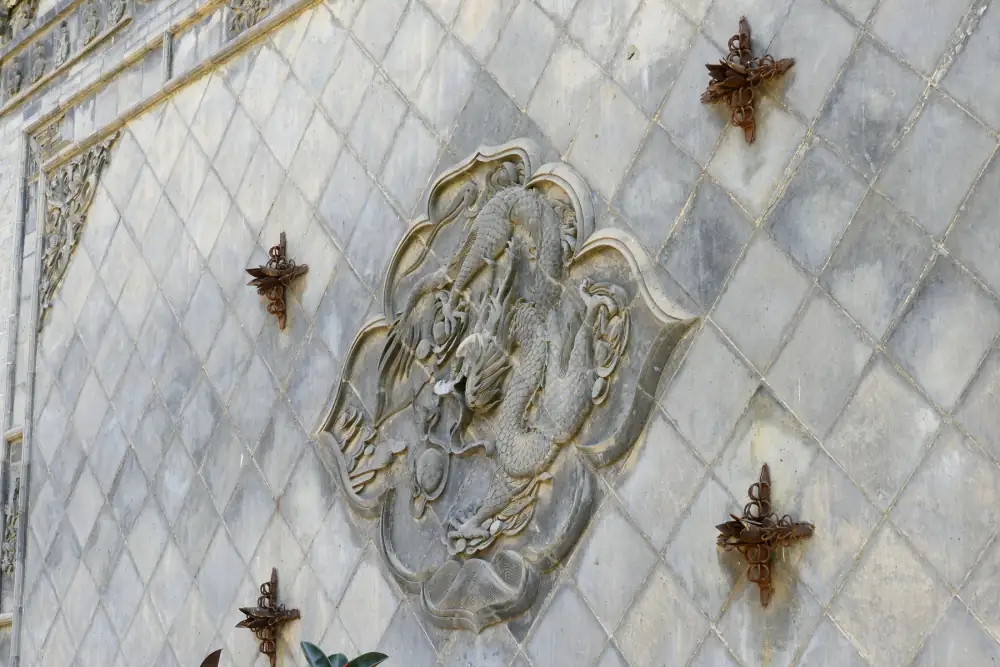
Huashan (华山) is one of China’s five sacred Taoist mountains — five distinct peaks connected by some of the most vertiginous mountain paths in the world. The Plank Walk (长空栈道) is the most famous: a 1-metre-wide plank walkway on iron stakes bolted to a sheer cliff face, with a 2,000-metre drop below.
Trail Options
East Peak route (南天门–东峰): The main approach — cable car from the North Peak to midway, then walk to the East, South, West, and North Peaks. Full circuit 10–12 hours.
North Peak cable car: Ascends to 1,614m in 10 minutes; from there 3–4 hours to the summit peaks. Entry + cable car: ¥310 combined.
Night hike: Many visitors hike overnight (starting midnight) to reach the summits at sunrise. Basic guesthouses on the mountain (¥100–¥300/night for a shared room).
Safety
- The Plank Walk requires a harness and clip-rope rental at the entrance (¥10); both hands are needed at all times
- Wear proper footwear — many injuries occur from inappropriate shoes
- Best avoided in rain or snow (path is slippery)
Getting There
High-speed train from Xi’an to Huashan North Station (30 minutes, ¥30). Then cable car or foot trails from there.
Hanzhong (汉中) — Han Dynasty Origins
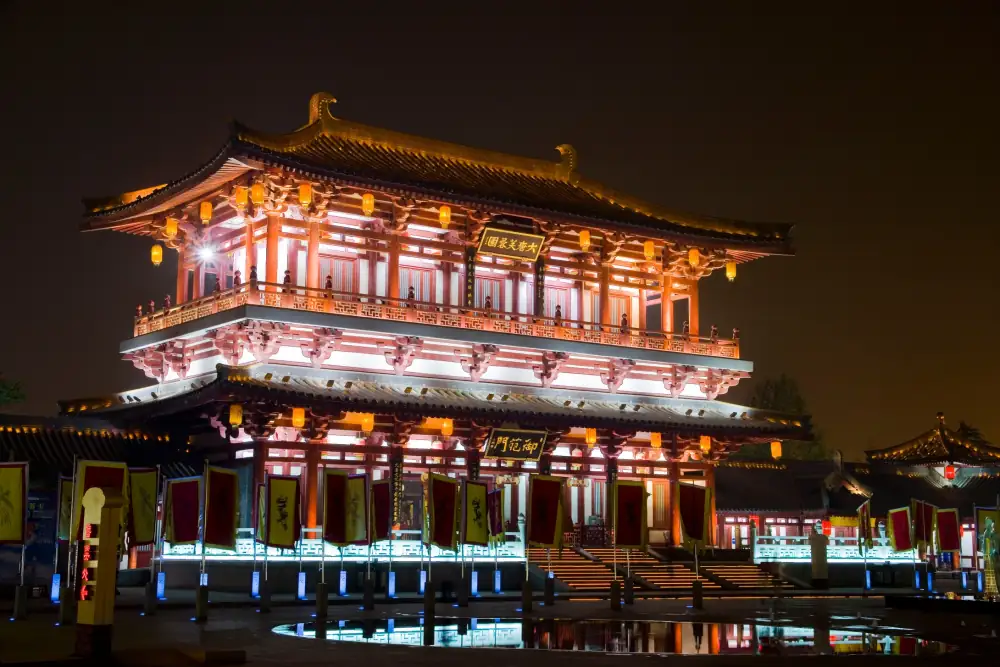
Hanzhong, in southern Shaanxi, is where Liu Bang raised his army and launched the campaign that established the Han Dynasty (206 BC) — China’s most celebrated imperial period that gave the Han Chinese people their name.
Rapeseed fields: Hanzhong Basin is China’s premier rapeseed flower destination — in late March, the valley floor turns uniformly yellow, one of China’s most spectacular agricultural landscapes.
Lianghe Ancient Town (留坝古镇): A Qing Dynasty town on the Han River with excellent accommodation and access to the Qinling mountain forests.
Practical Info
Xi’an Xianyang International Airport — well connected with all major Chinese cities.
High-speed trains: Beijing to Xi’an 5 hours; Shanghai 6.5 hours; Chengdu 3.5 hours.
Best time: March–May (mild, spring blossoms) and September–October (clear skies)