
Shandong (山东) projects into the Yellow Sea like a fist — a large peninsula historically significant as the birthplace of Confucius and the location of Mount Tai (泰山), the most sacred mountain in Chinese culture. The province combines ancient philosophical heritage with German colonial coastal charm and some of China’s best seafood.
Table of contents
Open Table of contents
Mount Tai (泰山) — China’s Number One Sacred Mountain
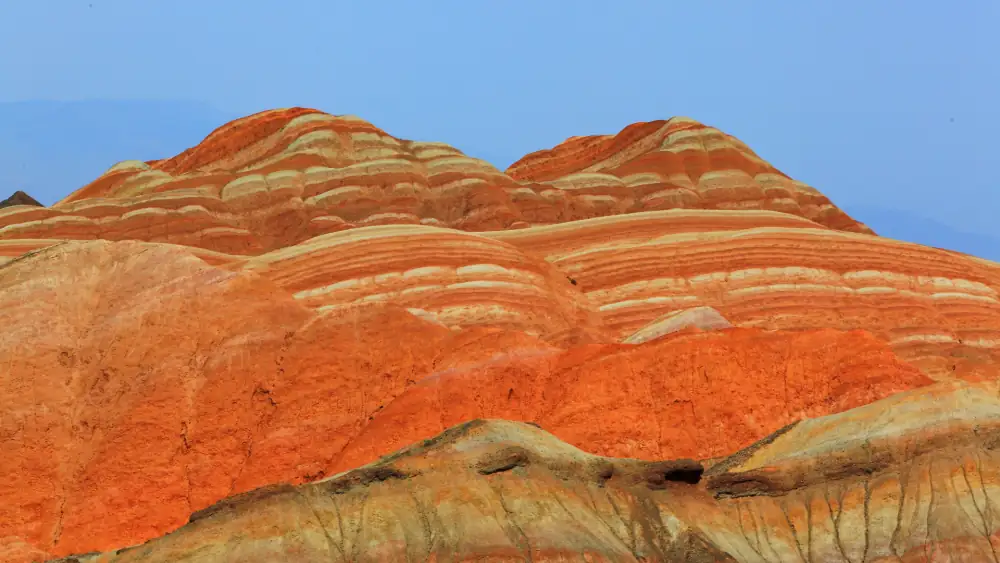
Of China’s five sacred Taoist mountains (五岳), Mount Tai (1,545m) is considered the paramount “First Mountain Under Heaven” (天下第一山). 72 emperors came here to perform Heaven-Earth thanksgiving ceremonies. Over 6,000 stone steps ascend the mountain; the trail is lined with inscribed tablets accumulated over 3,000 years of pilgrimage.
Climbing Routes
The traditional pilgrimage route (中路): 6,000+ steps from Dai Temple at the mountain’s base to South Heaven Gate at 1,460m, then to the summit.
Time: 4–6 hours up, 3–4 hours down
Cable car option: Bus to Zhongtianmen (mid-point) then cable car to top — 2 hours total
Summit Experiences
Sunrise: Mount Tai sunrise is one of China’s most famous natural spectacles — the summit can be above the cloud layer at dawn. For a confirmed sunrise view, stay overnight in the guesthouses near the summit.
Inscription Wall (经石峪): A flat granite stream bed with enormous calligraphy carved into it — Diamond Sutra text in 1-metre characters.
South Heaven Gate (南天门): The iconic vermilion gate at 1,460m that marks entry to the “heavenly realm.”
Jade Emperor Summit Temple (玉皇顶): The highest point; bronze incense burners, prayer flags, ancient stone tablets, and frequently extreme wind.
Entry: ¥115 (mountain scenic area). Cable car: ¥100 one-way.
Qufu (曲阜) — Confucius’s Birthplace
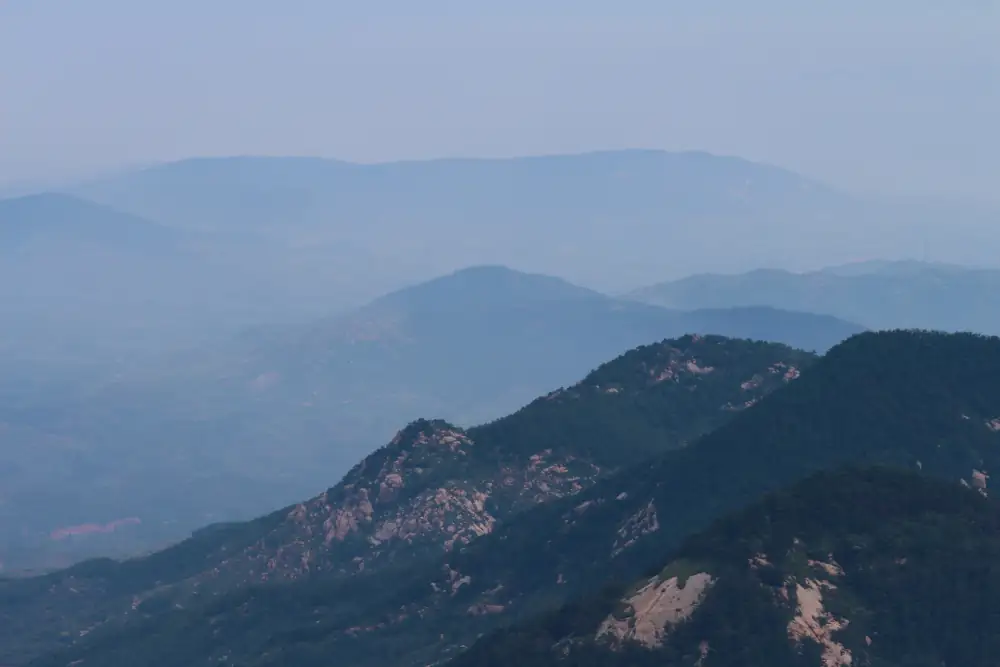
The Confucius cultural complex in Qufu is UNESCO World Heritage — three distinct sites:
Kong Temple (孔庙)
A monumental temple complex built to honour Confucius, expanded by every subsequent dynasty. The main hall (大成殿) is one of the largest ancient wooden buildings in China. The Hall of Great Accomplishment with its painted dragon pillars is extraordinarily impressive.
Entry: ¥90 (included in combined ticket with mansion and forest)
Kong Mansion (孔府)
The residential complex of the Kong family — direct descendants of Confucius who held official government positions for 2,500 years until 1949. 450+ rooms in the mansion complex; the private residential quarters give an extraordinary glimpse of aristocratic Confucian family life.
Kong Forest (孔林)
A sacred grove of 20,000+ trees in which every generation of the Kong family has been buried for 2,500 years — the longest family cemetery in continuous use anywhere in the world. The forest is genuinely ancient and atmospheric. Confucius’s own tomb is a simple mound of earth under ancient cypresses — moving in its simplicity given the philosopher’s influence on human history.
Combined ticket for all three sites: ¥150
Qingdao (青岛) — Germany’s China Colony
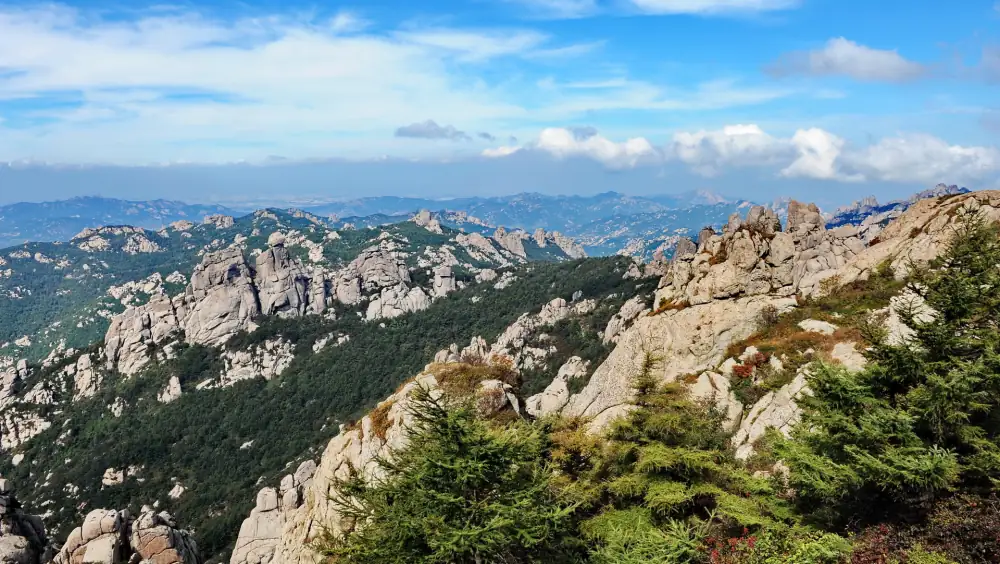
Qingdao (Tsingtao) was a German colonial possession from 1898–1914 — a period during which the Germans built a planned town of red-roofed Bavarian houses, established the Tsingtao Brewery (1903), and created the peninsula’s excellent harbour facilities.
German Colonial Architecture
The Badaguan (八大关) area — eight parallel streets named for China’s eight strategic mountain passes — is lined with 200+ villas in 20 different national architectural styles built 1900–1930. Simply walking the tree-lined streets is the best way to experience it.
Zhanqiao Pier (栈桥) — the 440-metre colonial-era pier is Qingdao’s most famous landmark; the Huilan Pavilion at its tip is photographed against the sea. Evening is perfect.
Tsingtao Brewery Museum (青岛啤酒博物馆)
The 1903 brewery is now a museum covering the history of Chinese beer — informative, includes a sampling room with freshly-produced draught beer. Entry ¥60.
Fresh draught Tsingtao from local neighbourhood restaurants (not bottled) tastes dramatically better than the international export version; look for street-side plastic bag draft beer (袋装鲜啤, ¥3–¥5 per bag).
Seafood
Qingdao’s seafood is excellent — the Pichaiyuan (劈柴院) market area has dozens of seafood restaurants where you choose live fish, shellfish, and sea cucumber from tanks and have them cooked to order.
Practical Info
Jinan is Shandong’s provincial capital with high-speed train connections (Beijing to Jinan 2 hours; Shanghai to Jinan 3 hours). Qingdao has its own international airport. Mount Tai is 1.5 hours from Jinan; Qufu 1 hour from Jinan.