
Qingdao is one of those Chinese cities that surprises visitors almost immediately. You arrive expecting a standard coastal city and instead find tree-lined streets climbing red-tiled hills, German villas from the early 1900s, a working harbour with ferries, and a deeply embedded beer culture that is genuinely unlike anywhere else in China. The Germans built a city here between 1898 and 1914; they left their architecture, their brewery, and apparently a lasting enthusiasm for drinking beer from bags.
The bag-beer thing needs explaining. In Qingdao, fresh unfiltered Tsingtao draft beer is sold in clear plastic bags — literally a bag with a straw. It costs about ¥5–8 on Dengzhou Road and is somehow completely delicious and refreshing. This is not tourist gimmick — locals have been doing it for decades.
Table of contents
Open Table of contents
Tsingtao Brewery Museum (青岛啤酒博物馆)
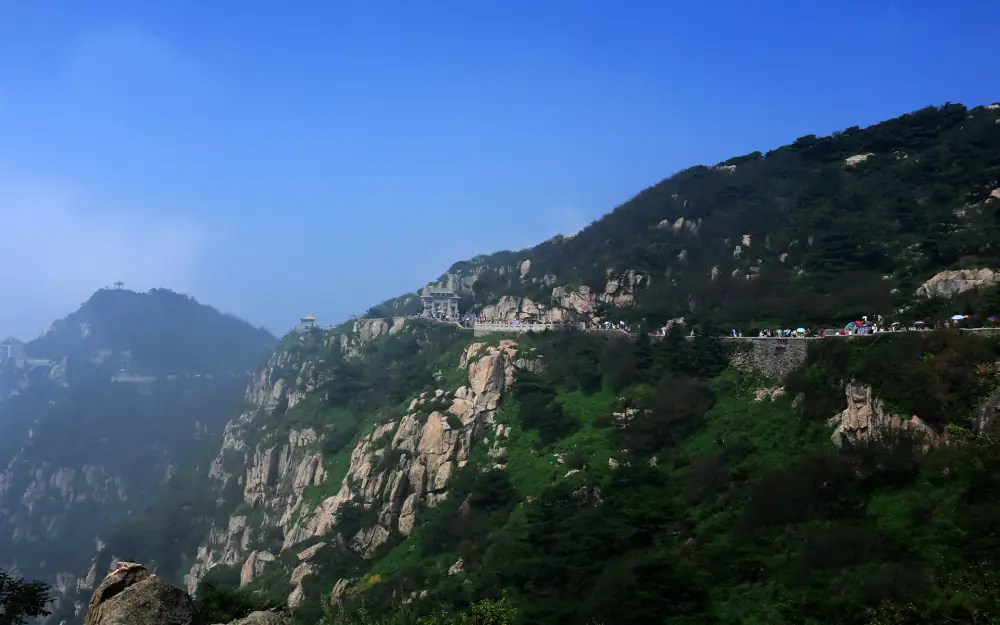
The Tsingtao Brewery was founded by German settlers in 1903 and is now China’s most exported beer. The museum in the original brewery complex on Dengzhou Road is excellent — well-organized, English-translated, and includes a tasting at the end.
Opening hours: 8:30am–6:00pm daily (last entry 5:30pm)
Entry fee: ¥80 per person (includes two beer samples at the end)
Address: 56 Dengzhou Road (登州路56号)
Time needed: 1.5–2 hours
The highlight is the “1903 Passage” — original brewing equipment in the historic German-built section. The modern factory tour section shows the industrial scale of current production. The tasting room at the end has the fresh unfiltered Tsingtao (原浆) that you can’t get outside Qingdao — it’s much better than the bottled product.
After the museum, walk to Dengzhou Road Beer Street for the bag-beer experience. Multiple stalls sell fresh draft in bags from ¥5–8 per bag. Get one, sit on the kerb (everyone does), and watch the street life.
Badaguan Scenic Area (八大关)
Badaguan (“Eight Great Passes”) is a planned residential district built by the Germans and later expanded, where eight roads are each named after a different famous Chinese pass. The district is remarkably intact — villa after villa in different European architectural styles (German, English, Russian, Danish, Japanese) set in tree-lined streets.
The highlight is Huashihe Villa (花石楼) — a small Russian and Gothic-style castle right on the waterfront, built in the 1930s. It’s now a viewable site (entry ¥20) and one of the most photographed buildings in Qingdao.
Best approach: Walk or cycle the area — it’s entirely about the streets and architecture rather than a single destination. The Badaguan area connects to Beach No. 2 (第二海水浴场) at its eastern end.
Qingdao’s Beaches
Qingdao has six numbered public beaches (第一至第六海水浴场) strung along the southern coast, plus several others outside the city.
Which beach to choose:
Beach No. 1 (第一海水浴场): The most central and most crowded; nearest to the old town area. Good if you want people-watching and beach food stalls. ¥20 entry in season.
Beach No. 2 (第二海水浴场): Adjacent to Badaguan; slightly less crowded, good for combining with an architecture walk. Free entry.
Beach No. 3 (第三海水浴场): The quietest of the central beaches. Rocky edges, good snorkeling compared to the others. Free entry.
Shilaoren Beach (石老人海水浴场): 15km east of the city centre, the longest and best-maintained beach. Less crowded than the numbered beaches. Good facilities. ¥20 entry in summer. Access by Metro Line 11 (Qingdao’s scenic cliff-edge metro).
Best time to swim: July–September, when water temperature reaches 22–26°C. The beaches are packed in August — arrive before 9am.
The Old Town and German Architecture
The German Concession area (now called the Old Town, 老城区) is the part of Qingdao worth exploring on foot. The grid of streets climbing the red-tiled hills between the harbour and Beach No. 1 still feels distinctly European.
Key landmarks:
- St. Michael’s Cathedral (圣弥厄尔教堂): Twin-spired Catholic church completed in 1934, now a working church. Entry ¥10.
- Governor’s House (总督府): The German colonial administrative building, now a museum. Entry ¥25. Excellent views from the upper terrace.
- Zhongshan Road (中山路): The main commercial street through the old town, lined with European-style buildings from the early 1900s.
Photography note: The classic Qingdao view — red roofs, green tree-lined hills, blue harbour in the background — is best captured from Xinhao Mountain Park (信号山公园) viewpoint. Entry ¥15; cable car also available. Best light is morning.
Seafood in Pichaiyuan Area
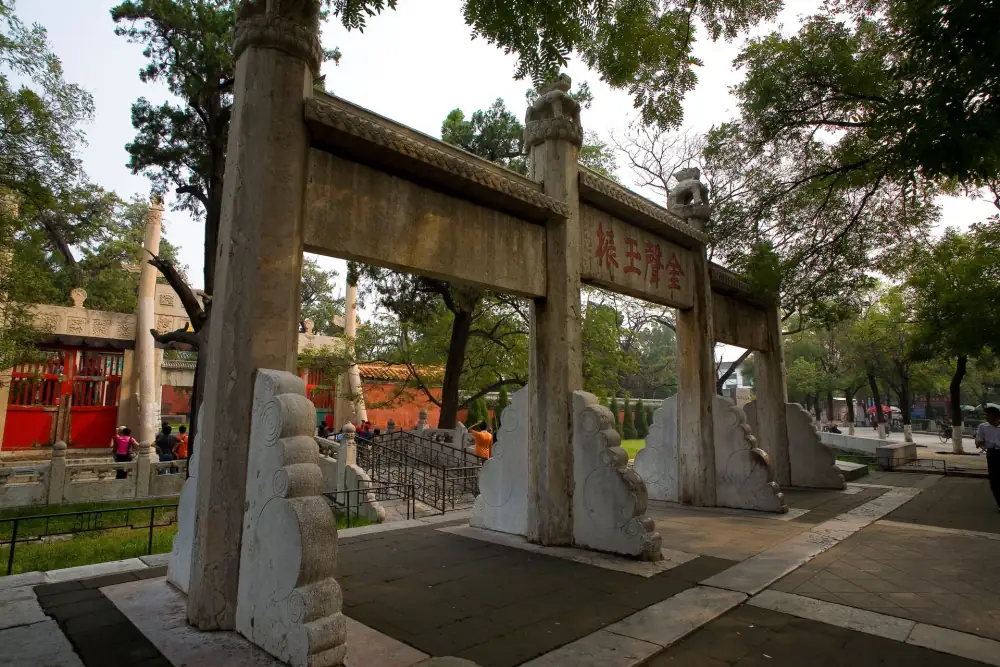
Qingdao’s seafood is excellent, and the Pichaiyuan area (劈柴院) near Zhongshan Road is one of the best concentrations of seafood restaurants and snack stalls.
What to eat:
- Grilled oysters (烤生蚝): The local specialty, grilled with garlic and butter, ¥3–6 per oyster depending on size
- Geoduck clams (象拔蚌): Large clams, very fresh, ¥50–120 depending on size
- Steamed hairy crabs (螃蟹): Best in autumn (October–November), ¥30–80 each
- Grilled squid on skewers (烤鱿鱼): Street food, ¥8–15
- Sea urchin (海胆): Qingdao sea urchin is excellent; best in restaurant settings (¥80–150 for a plate)
Markets for DIY seafood: The Licun Seafood Market (李村海鲜市场) allows you to buy fresh seafood and have it cooked by adjacent restaurants for a ¥20–40 cooking fee. Great value.
Recommended restaurant: Chunhe Tower (春和楼) on Zhongshan Road — Qingdao’s oldest restaurant (founded 1891), specializing in local seafood. Prices are moderate, ¥100–200 per person.
Qingdao Beer Festival
The Qingdao International Beer Festival runs in late July–August each year and is one of Asia’s largest beer festivals. Multiple venues around the city host the event, with dozens of beer brands and live entertainment. Entry to beer tents is free; food and beer are paid separately.
If you’re visiting during festival season, book accommodation at least 2–3 months in advance — the city fills completely.
Getting to Qingdao
From Beijing: High-speed train, 4.5–5 hours, ¥200–270. Alternatively, 1-hour flight.
From Shanghai: High-speed train (via Nanjing or direct), 5–6 hours, ¥250–350. Or 1.5-hour flight.
From Jinan (provincial capital): 1.5 hours by high-speed train, ¥90–120.
By ferry: Ferries operate from Qingdao to Weihai, Yantai, Dalian, Tianjin, and Seoul (South Korea). The ferry terminal is in the city centre at the harbour.
Qingdao has two main stations: Qingdao Station (青岛站) in the old town (older trains) and Qingdao North Station (青岛北站) (high-speed trains). Most visitors use Qingdao North.
Getting Around Qingdao
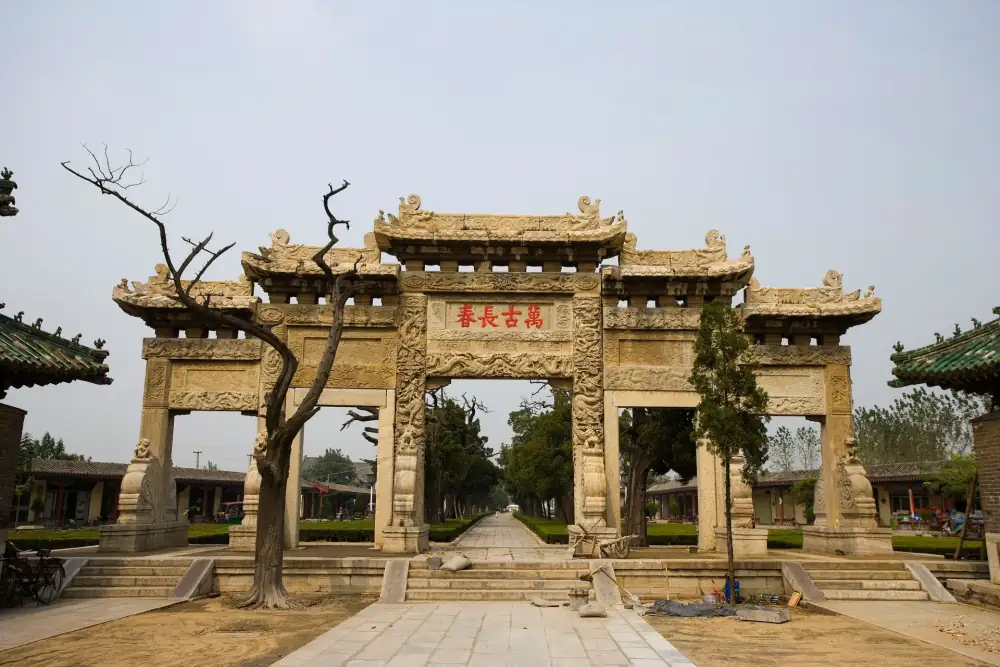
Qingdao’s metro system is excellent and expanding. Key lines:
- Line 2 and Line 3: Connect the city centre to most tourist areas
- Line 11: Runs along the coast from Qingdao Station past Laoshan, with ocean views from the elevated tracks
Taxi base fare: ¥10 for first 3km, ¥1.5/km after. Didi works well throughout the city.
Where to Stay
Old Town area (central, near beaches): Most atmospheric; limited parking but great walking access. Hotels like Hyatt Regency Qingdao (¥800–1,400/night) or the excellent boutique Hotel Seaview Qingdao (¥400–700).
East Qingdao (near Shilaoren Beach): More modern, less character, better beach access. Many international chain hotels at ¥500–1,000/night.
Budget: Hostels in the old town area from ¥80–180/night for dorms, ¥200–350 for private rooms.
When to Go
May–June: Best weather — warm but not hot, lower humidity, fewer crowds than summer.
July–August: Hot, humid, packed with Chinese domestic tourists. Book well ahead.
September–October: Excellent — post-summer crowds, warm enough to swim (sea retains heat), good seafood season.
November–March: Cold and grey; some beach facilities close. Not recommended unless you specifically want to see the city without crowds.