
Qinghai is China’s third-largest province by area and one of the least visited by international tourists. It’s the source of three of Asia’s great rivers — the Yellow River, the Yangtze, and the Mekong — and its plateau terrain averages 3,000m above sea level. The province is culturally Tibetan in character (most of historic Tibet was in Qinghai before modern borders), with a significant Hui Muslim population in the lowlands.
For travelers exploring northwest China, Qinghai fills a unique niche: the cultural richness of Tibetan Buddhism without the permit complexity of the Tibet Autonomous Region, combined with some of China’s most dramatic non-commercialized landscapes.
Table of contents
Open Table of contents
Before You Arrive
Getting there: Xining Caojiabao International Airport (XNN) has connections to most Chinese cities. The Qinghai-Tibet Railway from Xining to Lhasa is a famous journey in itself — even if you’re not going to Tibet, arriving in Xining by train from Xi’an (2 hours by HSR, ¥145) or Lanzhou (1 hour by HSR, ¥60) is convenient.
Altitude: Xining sits at 2,275m — noticeable but not problematic for most people. Qinghai Lake is at 3,195m, and Yushu is at 3,700m. If you’re sensitive to altitude, acclimatize for a full day in Xining before venturing to higher elevations.
No Tibet permit needed: Qinghai does not require the Tibet Travel Permit that the Tibet Autonomous Region requires. This is a significant practical advantage.
Day 1: Xining — Kumbum Monastery
Kumbum Monastery (Ta’er Si)
Kumbum Monastery (塔尔寺, Ta’er Si, ¥80) is 26km south of Xining — one of the six great monasteries of the Gelug school of Tibetan Buddhism (the Dalai Lama’s school). It was built on the birthplace of Tsongkhapa, the founder of the Gelug school, in 1583.
The monastery complex is enormous and still functions as an active institution — around 600 monks in residence. The main complex includes:
- Great Golden Roof Temple (大金瓦殿) — the oldest and most sacred building, with its roof of gilded copper tiles
- Butter Sculpture Gallery — annual sculptures made entirely from dyed yak butter, created for the Lantern Festival and capable of extraordinary artistic complexity
- Mani Prayer Wheel Corridor — several hundred large bronze prayer wheels in covered corridors
Getting there: Bus 8 from Xining city center (¥2, 40 minutes) or taxi (¥30-40).
Allow 3-4 hours. Morning visits (8am-10am) are best for witnessing monks at practice — the sounds of chanting from the halls and the smell of juniper incense create an atmosphere completely different from afternoon tourist visits.
Xining City
Return to Xining for the afternoon. The Dongguan Mosque (东关清真大寺, free) is one of China’s largest mosques, serving Xining’s substantial Hui Muslim population. The architecture is a Chinese-Islamic hybrid — typical mosque organization with Chinese green and gold rooftile decoration.
Xining food: Qinghai/Hui cuisine combines western Chinese and Central Asian influences: Qinghai yogurt (老酸奶, thick set yogurt, ¥5-8 per cup, a local institution), Xining beef noodles (牛肉面, similar to Lanzhou but distinct, ¥8-15), steamed buns with lamb and coriander (羊肉包子, ¥3-5 each), and sweet hot tea (甜茶, milk tea sweetened with sugar, ¥5 per teapot).
Day 2: Qinghai Lake
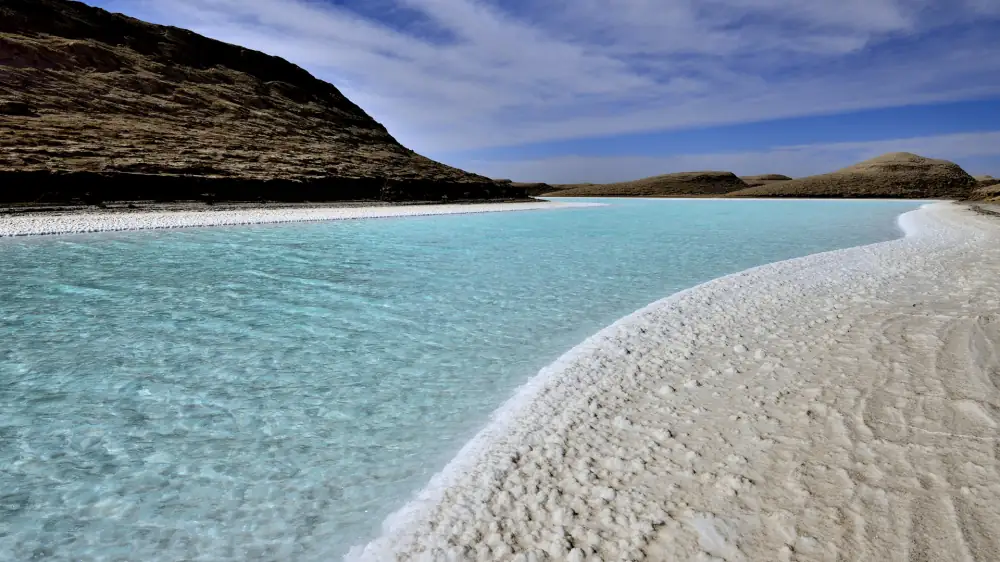
Qinghai Lake (青海湖, ¥60 scenic area) is China’s largest lake by surface area — 4,300km² of salt water at 3,195m altitude, ringed by mountains and grasslands. The water is a vivid blue-green that’s entirely natural and caused by the mineral content. On clear days, the snow-capped Qilian Mountains are reflected in the water.
Getting there: Buses from Xining West Bus Station (¥40, ~2.5 hours) or joining a day tour (¥80-150 including transport and ticket). Private car hire (¥300-400 for a day) allows more flexibility.
What to do at Qinghai Lake
Cycling the lake: The 330km circuit is a famous cycling route — many serious cyclists do the whole thing in 3-4 days. For a day visit, the Bird Island Scenic Area (鸟岛, included in main ticket) on the western shore is the most accessible section, with good views of the lake and mountains.
Camping and grasslands: The grasslands around the lake have traditional yurt accommodation (帐篷营地, ¥200-400/night per tent or ¥300-600 for a traditional yurt). Spending a night on the grassland and watching the stars at altitude is one of Qinghai’s best experiences — light pollution is minimal.
July-August: The lake’s surrounding grasslands are at their greenest and the rapeseed flower fields (菜花, canola) turn sections of the basin brilliant yellow. This is peak season for Chinese tourists.
Migratory birds: Qinghai Lake is one of Asia’s most important bird breeding sites. The Bird Island (though the birds no longer nest on the island itself due to rising water levels — they now nest on the adjacent promontory) has Brahminy Ducks, Bar-headed Geese, and Black-necked Cranes. Best April-August.
Day 3: Qilian Mountains
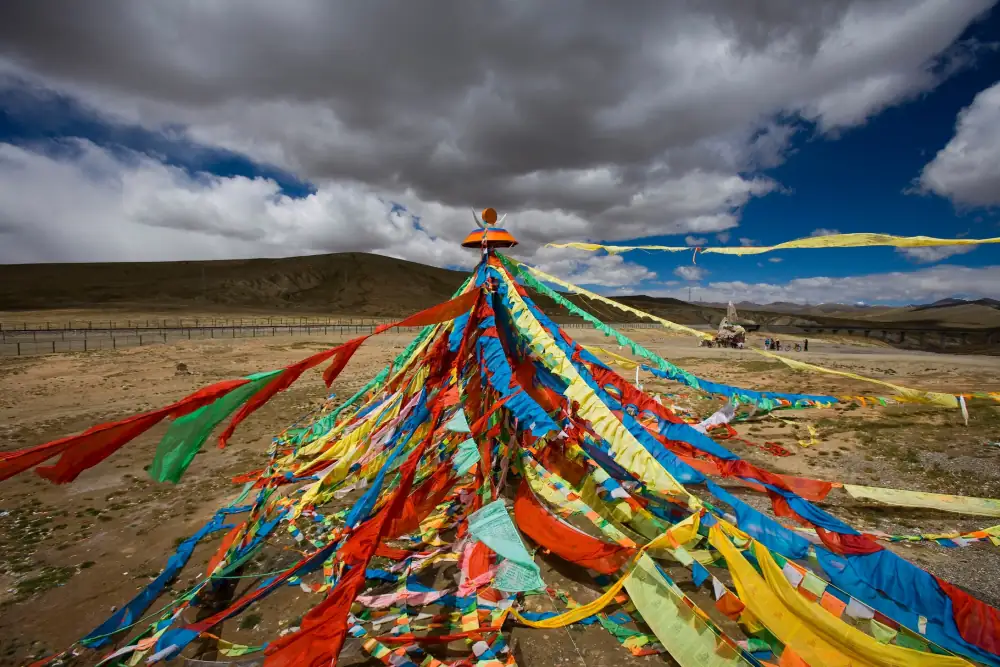
Qilian Mountains (祁连山) form the northern boundary of the Tibetan Plateau — a massif with peaks above 5,000m that creates Qinghai’s own micro-climate, feeding rivers and supporting alpine meadows at its base.
Zhangye Qilian County side: The most accessible viewpoints are actually closer to Zhangye in Gansu, but Menyuan Rapeseed Fields (门源油菜花, free, ¥20 transport) in Qinghai are genuinely extraordinary in July — stretching to the mountain base and beyond. Menyuan County is 2.5 hours from Xining by bus.
Qilian County town (祁连县): 4 hours from Xining by bus (¥60). The approach road through the mountain passes (3,800m+ at the highest points) is spectacular. Qilian County is surrounded by alpine meadows and is the base for hiking into the mountain valleys.
Daer Cave Monastery (达尔寺, free) near Qilian County is a small Tibetan Buddhist monastery in a dramatic cliffside setting — monks have lived here since the 14th century, and the cave cells are still inhabited.
Day 4: Yellow River Loop or Longyangxia Gorge
Option A: Longyangxia Gorge Dam
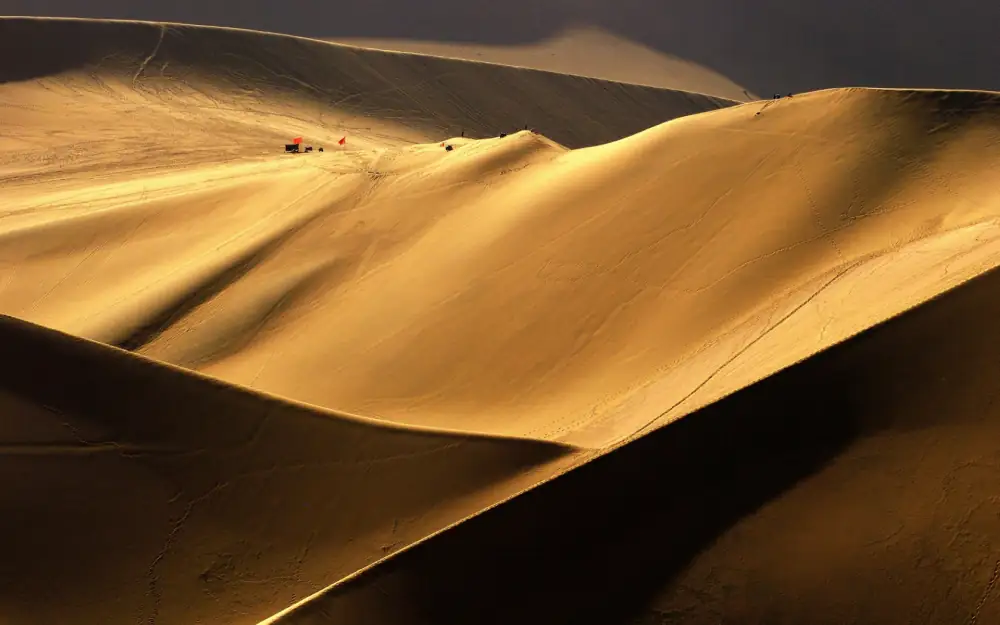
Longyangxia (龙羊峡, ¥30) is 130km southwest of Xining — the first major dam on the Yellow River’s upper course, creating a vast reservoir in a red sandstone canyon. Boat tours of the gorge (¥80, 1.5 hours) show the canyon walls with the reservoir behind the dam. It’s an impressive feat of engineering and the surrounding landscape is dramatic.
Option B: Guide to Tongren Ancient Tibetan Culture
Tongren (同仁, 蓄积了数百年的热贡艺术) is the center of Regong Thangka Art (热贡艺术) — a UNESCO-recognized tradition of Tibetan religious painting and sculpture that has been produced in the Longwu Valley since the 14th century. The artists (primarily from Repkong Rongwo Monastery) produce some of the finest thangka paintings and butter sculptures in the Tibetan world.
Getting there: 2.5 hours from Xining by bus (¥35), or HSR part of the way. Buses run from Xining South Bus Station.
Visit the Rongwo Monastery (隆务寺, ¥40) — an active religious center with 1,500+ monks — and walk the surrounding streets where craft workshops produce thangka paintings, metalwork, and Tibetan masks.
Day 5: Xining Markets & Departure
A free morning before departure. Explore the Xining City Bazaar (西宁城中集市) area around the Dongguan Mosque for the most concentrated Hui food market in Qinghai — lamb stalls, dried fruit sellers, spice merchants, and traditional halal bakeries.
Alternative Day 5: Yushu Grasslands
Yushu (玉树) is 800km south of Xining — the Tibetan city at the headwaters of the Yangtze and Mekong, at 3,700m altitude. It requires flying (Xining → Yushu Batang Airport, ¥350-600, 1 hour) and at least 2 days to justify the journey. The Jiegu Monastery (结古寺), the wild Sanjiang Source nature reserve, and the horse festival (Yushu Horse Racing Festival, late July) are the main draws.
Adding Yushu makes this a 7-day Qinghai itinerary rather than 5 — and it’s worth the extension if you have the time.
Practical Information
| Item | Cost |
|---|---|
| Kumbum Monastery | ¥80 |
| Qinghai Lake | ¥60 |
| Qinghai Lake yurt overnight | ¥200-600/night |
| Tongren Rongwo Monastery | ¥40 |
| Longyangxia boat tour | ¥80 |
| Xining → Qinghai Lake bus | ¥40 |
| Xining → Menyuan bus | ¥30-40 |
| Xining → Tongren bus | ¥35 |
| Budget hotel (Xining) | ¥150-300/night |
| Mid-range hotel | ¥300-600/night |
Best time: June-August (wildflowers, rapeseed blooms, migratory birds). September-October for clear skies and autumn colors. November-April is cold and some roads are inaccessible in deep winter.
Altitude management: Drink lots of water, avoid strenuous exercise on Day 1, no alcohol for the first 24 hours. If using headache medication for altitude, ibuprofen is preferable to acetaminophen at elevation. Diamox (consult your doctor) is worth considering if you plan to go above 3,500m.
What Qinghai offers that Tibet TAR doesn’t: No permits required, lower costs, genuine Tibetan cultural sites with less tourist infrastructure, and a mix of Tibetan and Hui Muslim culture that’s entirely unique.