
Xinjiang (新疆, Xīn Jiāng), China’s largest province, is a land of extremes—vast deserts, snow-capped mountains, and an intense sun that ripens some of the country’s most extraordinary fruits and grapes. For international travelers, summer in Xinjiang means a chance to taste fruits so sweet they’re almost intoxicating, and wines that have won global acclaim. This guide dives into two must-try treasures: the legendary honey apricot (小红杏) and the award-winning Riesling wines from the Tian Shan foothills. Whether you’re planning a trip or just curious about Xinjiang’s culinary delights, here’s everything you need to know.
Table of contents
Open Table of contents
The Magic of Xinjiang’s Summer Apricots

Xinjiang has been cultivating apricots for over 2,000 years, but one variety stands out: the honey small apricot (小红杏, xiǎo hóng xìng). Grown primarily in the Korla (库尔勒, Kù’ěr Lè) region, these small, golden-orange fruits are a revelation. With a sugar content that can reach 29–30° Brix (far sweeter than most fruits), they offer a burst of honeyed flavor that’s both intense and delicate.
Why They’re So Sweet
The secret lies in Xinjiang’s unique terroir:
- Over 3,000 hours of annual sunshine – the long, intense days allow sugars to accumulate.
- High altitude (over 3,000 meters) – cool nights and warm days create a perfect balance.
- Irrigation with glacial meltwater from the Tian Shan mountains – pure and mineral-rich.
- Old trees – many orchards have trees over 10 years old, producing fruit with deeper flavor.
How to Eat Them
Honey apricots are best eaten fresh. Simply wash them (or just rub off the fuzz) and pop them in your mouth. The skin is thin and crisp, while the flesh is soft and melts like honey. You can also use them in desserts, jams, or even savory dishes. Locals often eat them as a snack or pair them with nuts and cheese.
Where to Find Them
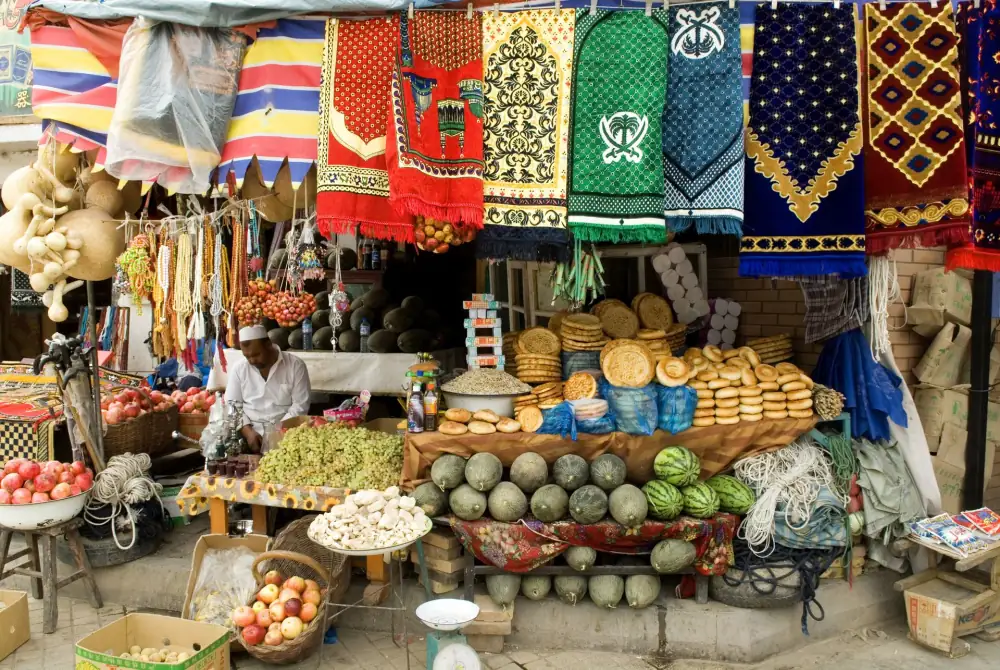
These apricots are highly perishable and have a short season—only about 15–20 days in late June to early July. They are rarely exported, so the best way to taste them is to visit Xinjiang during summer. Farmers’ markets in Urumqi (乌鲁木齐, Wūlǔmùqí), Korla, and Kashgar (喀什, Kāshí) are your best bet. If you can’t travel, some online stores ship them cold-chain within China, but availability is limited.
A Note on Pricing
A 2kg box of medium-sized honey apricots typically costs around ¥66–76, while larger premium boxes can go up to ¥128. This is more expensive than regular apricots, but the flavor is incomparable.
Xinjiang’s Acclaimed Riesling Wines
Xinjiang is not just about fruit—it’s also a world-class wine region. The Tian Shan North Slope (天山北麓, Tiān Shān Běi Lù) is located at the same latitude (44°N) as Bordeaux and California, and is recognized as one of the world’s three golden wine belts. Here, the Sandy Land (沙地酒庄, Shā Dì Jiǔ Zhuāng) winery produces a stunning Riesling sweet white that has broken Guinness World Records for sales.
What Makes It Special
- Grape varieties: A blend of Riesling (the “queen of white grapes”) and Chardonnay, offering a balance of fruitiness and acidity.
- Terroir: Irrigated with 4,000-meter altitude glacial meltwater, the grapes benefit from over 2,800 hours of sunlight annually and a large diurnal temperature range (up to 20°C difference).
- Awards: The winery has won over 100 international awards, including IWSC accolades, and broke the Guinness World Record for selling 200,000 bottles in 4 hours.
Tasting Notes
On the nose, expect intense aromas of peach, citrus, and tropical fruits. The palate is sweet but not cloying, with a crisp acidity and a distinctive mineral finish that evokes the icy streams of the Tian Shan. It’s perfect for sipping chilled on a hot summer day, pairing with seafood, spicy food (like Xinjiang’s famous lamb skewers), or even mild cheeses.
Where to Buy
The wine is available in many Chinese cities, especially in wine shops and online platforms like Taobao and JD.com. A 6-bottle pack (400ml each) costs around ¥198–199, making it an affordable luxury. Look for the distinctive trophy-shaped bottle—it’s a conversation starter.
Best Time to Visit Xinjiang for Fruits and Wine
For the ultimate culinary experience, plan your trip between late June and early August. This is when honey apricots are at their peak, and the grape harvest season begins (for wine, the grapes are harvested in September, but the summer months offer the best weather for touring vineyards).
Getting There and Around
By Air
Xinjiang is vast. The main gateway is Urumqi Diwopu International Airport (URC), with direct flights from Beijing (3.5 hours), Shanghai (5 hours), and many international hubs (with a connection). From Urumqi, you can take domestic flights to Korla, Kashgar, or Turpan.
By Train
High-speed rail connects Urumqi to Lanzhou (about 11 hours) and Beijing (about 16 hours). For a scenic journey, consider the Xinjiang railway loop that passes through Turpan, Korla, and Kashgar.
Getting Around
Renting a car with a driver is the most flexible option for visiting vineyards and orchards. Alternatively, buses and trains connect major cities, but you’ll need to plan ahead for remote areas.
Where to Stay
- Urumqi: For convenience and nightlife, stay near Hongshan Park or the Grand Bazaar.
- Korla: A quiet city with easy access to apricot orchards. Try a local guesthouse for an authentic experience.
- Turpan: Famous for grapes and vineyards, with many wine-themed hotels.
Practical Tips for International Travelers

- Visa: Most travelers need a tourist visa (L visa) to enter China. Check with your local Chinese embassy. The 144-hour transit visa may be available for certain nationalities if you’re passing through Beijing, Shanghai, or Guangzhou.
- Mobile Payment: Alipay and WeChat Pay are widely accepted, but international credit cards are not. Set up Alipay before your trip and link it to your foreign card.
- Language: English is not widely spoken in Xinjiang. Download a translation app like Pleco or Google Translate.
- Etiquette: When visiting vineyards or orchards, ask permission before picking fruit. It’s customary to buy what you taste.
- Weather: Xinjiang summers are hot (35°C+), but dry. Bring sunscreen, a hat, and plenty of water.
Suggested Day-by-Day Itinerary
Day 1: Urumqi – City and Bazaar
- Visit the Xinjiang Regional Museum to learn about the region’s history.
- Explore the Grand Bazaar for dried fruits, nuts, and local snacks.
- Dinner: Try lamb kebabs (烤羊肉串, kǎo yáng ròu chuàn) and naan bread.
Day 2: Turpan – Grape Valley
- Take a morning train to Turpan (1.5 hours).
- Visit Grape Valley (葡萄沟, Pútao Gōu) – a lush oasis with vineyards and Uyghur culture.
- Wine tasting at a local winery like Lou Lan Winery.
Day 3: Korla – Apricot Orchards
- Drive to Korla (3 hours from Turpan).
- Visit a honey apricot orchard (ask your hotel or a local guide).
- Try Korla fragrant pears (库尔勒香梨) – another local specialty.
Day 4: Return to Urumqi
- Morning: Visit the Tian Shan Grand Canyon or Red Hill Park.
- Afternoon: Shop for souvenirs like dried apricots, raisins, and wine.
Costs
- Accommodation: Budget hotels from ¥150/night; mid-range ¥300–500.
- Food: Street food meals ¥20–50; restaurant dinners ¥80–150 per person.
- Transport: High-speed train Urumqi–Turpan ¥50; car rental with driver ¥500–800/day.
- Wine: A bottle of Sandy Land Riesling ¥33–40 (if bought in bulk).
FAQ
Q: Can I bring Xinjiang wine back home? A: Yes, but check your country’s alcohol import limits. Typically, 1–2 liters are allowed duty-free. Pack bottles in checked luggage wrapped in clothing.
Q: Are honey apricots available outside Xinjiang? A: Rarely, due to their fragility. Some online stores ship within China, but quality may vary. Best to eat them fresh in Xinjiang.
Q: How do I pay for things in Xinjiang? A: Alipay is widely accepted. Carry some cash (RMB) for small vendors. ATMs are available in cities.
Q: Is it safe to travel in Xinjiang? A: Yes, for tourists. The region is heavily policed. Avoid discussing sensitive topics. Respect local customs, especially in religious sites.
Q: What other fruits should I try in Xinjiang? A: In summer, look for Hami melons (哈密瓜), Turpan raisins (吐鲁番葡萄干), and figs. In autumn, pomegranates and walnuts are abundant.
For more on Xinjiang travel, see our Xinjiang travel guide and northwest China itineraries.