
Xinjiang is vast — larger than Western Europe — and the most culturally distinct region in China. The landscape shifts between desert (the Taklamakan is the world’s second-largest sand desert), grassland, and dramatic mountain ranges (Tianshan, Karakoram, Kunlun). The population is primarily Uyghur, Kazakh, Kyrgyz, and dozens of other Central Asian ethnicities, with Han Chinese concentrated in the newer urban areas.
Visiting Xinjiang as a foreign tourist requires understanding some practical and political context. The region has strict security infrastructure and registration requirements that affect your daily experience. This itinerary includes honest logistical advice for navigating those realities.
Table of contents
Open Table of contents
Important Practical Notes Before Planning
Registration requirements: Foreign visitors to Xinjiang must register with the local police within 24 hours of arriving anywhere. Hotels registered with the government handle this automatically. Private accommodation and unlicensed guesthouses cannot register you — use registered hotels throughout.
Photography: Photography of security infrastructure (checkpoints, police stations, government buildings) is not permitted and could cause serious problems. Photograph landscapes, markets, historical sites, and food — not anything related to security or police.
Current situation: Check your government’s travel advisory before booking. Xinjiang’s status as a travel destination for foreign nationals is subject to change. Multiple Western governments maintain travel advisories for parts of the region. Understand these before planning.
Getting there: All major Xinjiang cities have airports with direct connections to mainland China. Urumqi (URC) is the main hub. Domestic flights are the practical way to cover the distances — overland travel is possible but very time-consuming.
Day 1-2: Urumqi
Urumqi (乌鲁木齐) is Xinjiang’s capital and transport hub — a modern Chinese city at 900m elevation with the Tianshan mountains as a dramatic backdrop.
Xinjiang Regional Museum
Xinjiang Regional Museum (新疆维吾尔自治区博物馆, free) is the essential first stop — a world-class collection of Silk Road artifacts including the famous Loulan Beauty (楼兰美女), the 3,800-year-old Tarim mummy preserved naturally in the desert, and extraordinary textiles from 1,000-year-old Silk Road sites. Allow 2-3 hours.
Grand Bazaar & Erdaoqiao Market
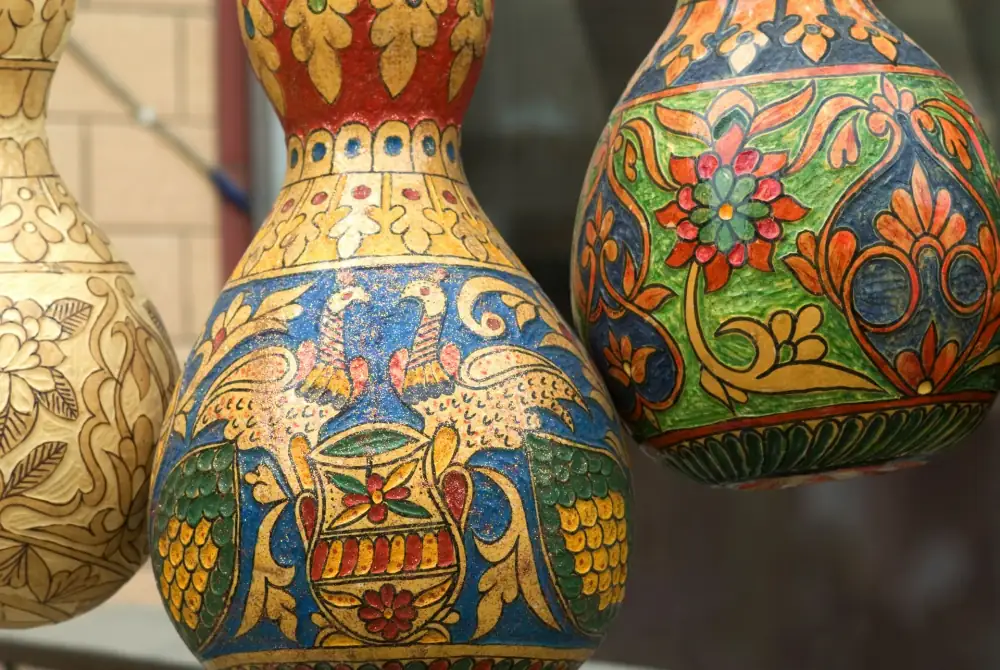
Erdaoqiao International Grand Bazaar (二道桥大巴扎) is a large market complex in the Uyghur old town area. The covered bazaar sells dried fruits, nuts, spices, carpets, and Uyghur handicrafts. Naan bread fresh from the tandoor oven (¥2-5), dried apricots from Kashgar (¥30-50/kg), and Xinjiang raisins (¥20-40/kg) are the key purchases.
Tianchi Lake
Tianchi Lake (天池, ¥100) is 110km east of Urumqi — a glacial lake at 1,900m in the Tianshan mountains, surrounded by spruce forests and with views of the Bogda Peak (5,445m). Day tours run from Urumqi (¥80-120 including transport and ticket). The lake is genuinely beautiful; the tourist facilities around it are crowded in summer.
Days 3-4: Turpan
Journey: Train from Urumqi to Turpan North (吐鲁番北) takes 60 minutes (¥40-55 by HSR). Runs multiple times daily.
Turpan (吐鲁番) sits in a depression below sea level — the second-lowest point on Earth — and holds multiple Chinese temperature records (50°C in summer). Avoid July-August. Spring (April-May) and autumn (September-October) are ideal.
Jiaohe Ancient Ruins
Jiaohe Ruins (交河故城, ¥75) — a complete 2,000-year-old city built on a cliff plateau between two rivers, abandoned after Mongol invasion in the 13th century. The ruins are extensive and remarkably well-preserved in the dry desert air. Unlike many Chinese historical sites, Jiaohe hasn’t been extensively restored — the crumbling clay buildings give an authentic sense of archaeological discovery. Allow 2-3 hours.
Karez Irrigation System
The Karez (坎儿井) is Turpan’s ancient underground irrigation system — a network of shafts and channels bringing snowmelt from the Tianshan 70km to the desert oases. Several demonstration sites (¥35-50) explain how the system works and have active channels you can walk alongside. Engineering marvel.
Bezeklik Thousand Buddha Caves
Bezeklik Caves (柏孜克里克千佛洞, ¥40) — Silk Road Buddhist cave paintings carved into a cliff face above the Mutou Valley. Many of the finest murals were removed by German archaeologists (Grünwedel and Le Coq) in the early 20th century and are now in Berlin museums. What remains is still historically significant, if fragmentary.
Grape Valley
Turpan’s Grape Valley (葡萄沟, ¥55) is a lush oasis village where Uyghur farmers grow flame seedless grapes and hang them in ventilated brick towers to make the dried raisins Turpan is famous for. In August-September the fresh grape harvest is the best time to visit. The valley is pleasant even without the harvest.
Days 5-7: Kashgar
Journey: Fly Turpan or Urumqi → Kashgar (喀什, KHG). Flights ~1.5-2 hours, ¥400-800. Or the stunning overnight train from Urumqi to Kashgar (24 hours, hard sleeper ¥300-400) — the Taklamakan crossing by train is an experience.
Kashgar is the most Central Asian city in China — at the western end of the Taklamakan, close to the borders of Pakistan, Tajikistan, and Kyrgyzstan. The old city is Uyghur in character, with a distinctive architecture of mud-brick courtyard houses and covered bazaars.
Old Kashgar City
The Old City of Kashgar (喀什老城) has been extensively renovated in recent years — much of the original structure has been demolished and rebuilt in a cleaner, more structurally stable version. This has been controversial. The rebuilt old city is clean and visually impressive but lacks the organic decay of a genuinely ancient urban fabric.
The back streets away from the renovated tourist circuit retain more authenticity. Walk without a specific destination, turning into side alleys, watching artisans at work.
Id Kah Mosque
Id Kah Mosque (艾提尕尔清真寺, ¥35) is the largest mosque in China, seating 20,000 worshippers. The yellow tile exterior is visible from the central square. Entry for tourists is permitted except during prayer times — check and respect these. The mosque has been a center of Uyghur religious life for 500 years.
Sunday Market (Bazaar)
The livestock market (¥20) held on Sunday mornings in the outskirts of Kashgar is one of Central Asia’s great market spectacles — thousands of animals (sheep, cattle, horses, camels) traded by Uyghur and Kyrgyz farmers from across the region. Get there at 7am. The market is a 30-minute taxi ride from the old city.
Covered Grand Bazaar (中西亚国际贸易市场) — the main commercial market near the city center. Spices, silk, musical instruments (the dutar and rawap are beautiful Uyghur instruments, ¥200-1,000), embroidered caps (doppa), and handmade knives.
Karakoram Highway Day Trip
The Karakoram Highway (KKH, 中巴公路) begins at Kashgar and climbs toward the Khunjerab Pass at the Pakistan border. A day trip to Karakul Lake (喀拉库勒湖, ¥75) — 3,600m altitude with Muztagh Ata (7,546m) reflected in the water — is one of the most dramatic day trips in China. Minibuses run from Kashgar to Karakul (3 hours each way, ¥60-80). The lake shore has Kyrgyz yurt accommodation for overnights.
Days 8-10: Kanas Lake & Altay
Journey: Fly Kashgar → Altay (阿勒泰) or Urumqi → Altay. Altay Airport (AAT) receives flights from Urumqi (1 hour, ¥300-600). Then 4-5 hours by road to Kanas scenic area.
Kanas Lake (喀纳斯湖, ¥190) in the Altay Mountains is one of China’s most spectacular natural landscapes — particularly famous for its autumn colors in September-October, when the birch and aspen forests turn gold, orange, and red against the permanent snow peaks.
Kanas Scenic Area
The scenic area encompasses Kanas Lake itself (a glacial lake 2km wide and 25km long), the Hemu Village (禾木村, ¥50 additional), and the Baihe Village (白哈巴村).
Hemu Village is the most photographed village in Xinjiang — Tuva (a Turkic people) wooden log houses against birch-forest-covered mountains. In autumn the entire valley turns gold. Basic guesthouse accommodation available in the village.
Kanas Monster: Local legend describes a giant creature in Kanas Lake — some researchers speculate it’s a large Siberian sturgeon. Viewing platforms on the lake shore are allegedly the best places to spot unusual water disturbances. Whether or not you believe in lake monsters, the platform views are excellent.
Getting around the scenic area: Shuttle buses (¥80) connect the main viewpoints. Horseback tours (¥200-400/day) are available and popular.
Practical Information
| Item | Cost |
|---|---|
| Xinjiang Regional Museum | Free |
| Jiaohe Ruins | ¥75 |
| Bezeklik Caves | ¥40 |
| Grape Valley | ¥55 |
| Id Kah Mosque | ¥35 |
| Karakul Lake | ¥75 |
| Kanas Lake scenic area | ¥190 |
| Hemu Village | ¥50 additional |
| Domestic flight (within Xinjiang) | ¥300-800 |
| Budget hotel | ¥200-400/night |
| Kashgar guesthouse | ¥100-250/night |
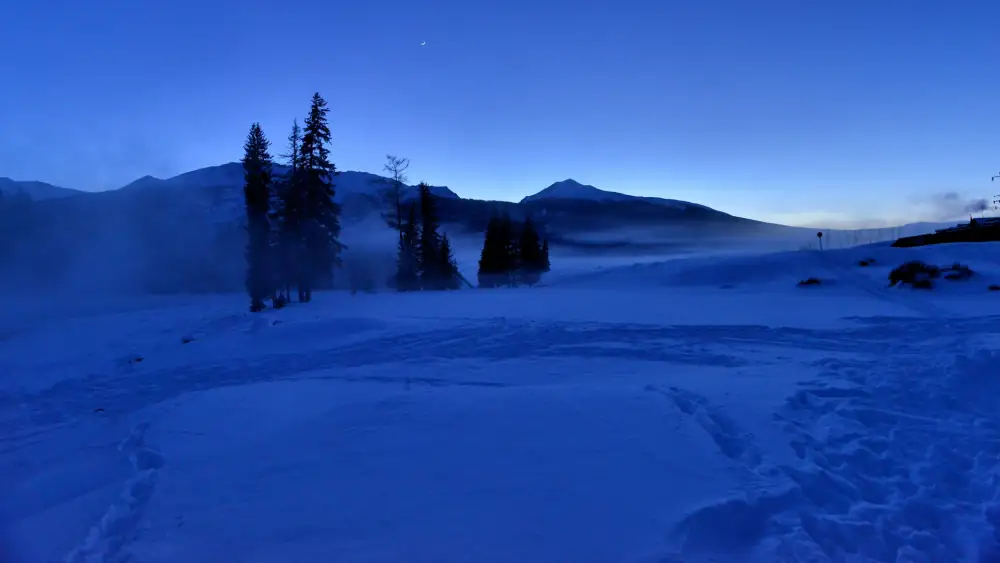
Best time for Kanas: September-October for autumn colors. June-July for wildflowers and green landscapes. Winter (December-February) sees heavy snow — accessible and beautiful if you’re prepared.
Best time for Turpan and Kashgar: April-June and September-October. Summers are extremely hot (45°C+ in Turpan).
Xinjiang food: Uyghur cuisine is Central Asian in character — polo (pilaf, ¥20-30), dapanji (大盘鸡, big plate chicken with noodles, ¥60-80), laghman (lagman noodles, ¥20-25), kebabs (¥3-8 each), samsa (baked meat pastry, ¥5-8). Lamb is the dominant protein. The cuisine is distinct from Han Chinese cooking and excellent.