
Bayinbuluke (巴音布鲁克, Mongolian for “Rich Springs”) is a highland basin in the central Tianshan Mountains of Xinjiang, at about 2,500 meters above sea level. It’s the second largest grassland in China (about 23,000 square kilometers) and hosts the largest swan breeding colony in the country, with over 5,000 whooper and mute swans returning each spring to nest in the wetlands of Swan Lake.
The most photographed feature is the Nine-Bend Eighteen-Turn River (九曲十八弯) — the Kaidou River meandering in extraordinary serpentine loops across the flat grassland, visible in its full glory only from the elevated viewpoints above the basin. This view — a silver river coiling through a green meadow, surrounded by snow peaks — has become one of the iconic photographs of Xinjiang, appearing in countless calendar images and travel campaigns.
Table of contents
Open Table of contents
Getting to Bayinbuluke
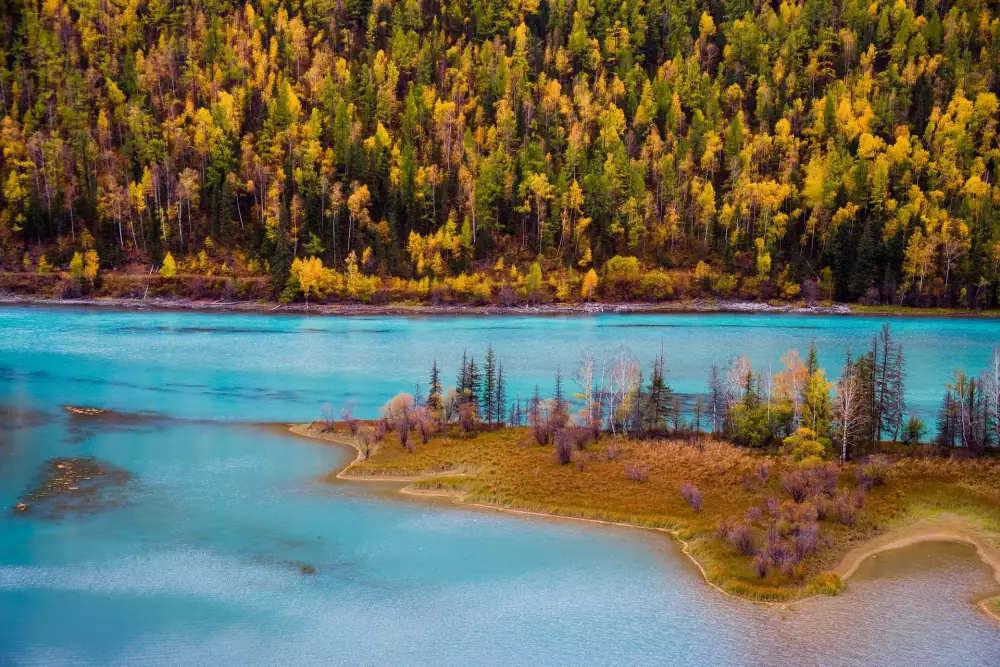
Bayinbuluke’s relative isolation is part of what makes it special. It takes genuine effort to get there, which significantly reduces the casual tourist traffic.
Base city: Korla (库尔勒) Bayinbuluke is most easily reached from Korla, the “City of Pears” in the Bayingol Mongolian Autonomous Prefecture. Korla itself is accessible by air and train from Urumqi.
From Urumqi to Korla:
- By train: About 4–5 hours; ¥80–120
- By air: 1 hour; ¥300–500; multiple daily flights
- By bus: 5–6 hours; ¥90–120
From Korla to Bayinbuluke:
- By bus: Daily departures from Korla Bus Station (约3km from city center); about 5 hours over mountain roads; ¥60–90. Buses typically depart morning; the road crosses the Tianshan at significant altitude
- By hired car: ¥400–600 from Korla; gives flexibility for photography stops on the mountain road; strongly recommended for those with schedules
- By group tour from Urumqi: Many Urumqi tour operators run 2–3 day tours to Bayinbuluke; prices ¥600–1,200 per person including transport and accommodation
The mountain road: The route from Korla crosses the Tianshan over the Kalajun Pass (卡拉俊达坂, about 3,300m) — a spectacular drive through mountain passes with views of snow peaks and lower valleys. The road is good but the altitude and occasional livestock crossings require careful driving. Allow 5–6 hours for the journey and don’t rush.
Swan Lake Nature Reserve (巴音布鲁克天鹅湖)
Swan Lake (天鹅湖) is the wetland area at the heart of the Bayinbuluke basin where the swans breed. The reserve was established in 1980 and is one of China’s most important bird sanctuaries.
The swans:
- Whooper Swans (大天鹅): The dominant species; arrive in late March/early April from wintering grounds; breed through summer; depart October
- Mute Swans (疣鼻天鹅): Smaller numbers than whoopers; more sedentary
- Peak nesting: May–June; the lake shores are lined with nesting pairs
- Peak numbers: August–September when this year’s cygnets are full-grown; total swan count often exceeds 5,000
Viewing: The reserve has a designated observation area with viewing platforms and walkways through the wetland margins. The main platform provides good views of the lake surface and, in clear conditions, the swan family groups and nesting structures.
Entry fee: ¥85 per person (includes shuttle bus within the reserve)
Photography tips: The swans are most active and photogenic in early morning (7–9am) and late afternoon (5–7pm). A telephoto lens (400mm+) is valuable for closer bird portraits; medium zoom (70–200mm) captures the landscape with birds adequately.
The Nine-Bend Eighteen-Turn River (九曲十八弯)
The Kaidou River (开都河) flows through the Bayinbuluke grassland in sweeping meanders before entering Bosten Lake downstream. The elevated viewpoints above the basin — accessible via a scenic road east of the main settlement — show these meanders in full.
The main viewpoint:
- A purpose-built observation deck about 15km from the main settlement
- The road climbs about 300 meters above the basin floor for a near-bird’s-eye view of the river and its meanders
- The view encompasses the snow peaks on the horizon, the grassland basin, the river’s coils, and (in the distance) Swan Lake
Timing for the best views:
- Sunset (best): The evening light turns the river silver, the grassland gold, and the snow peaks orange. Sunset at Bayinbuluke in summer is around 9:00–9:30pm (Xinjiang is on Beijing time, meaning actual solar time is about 2 hours different)
- Sunrise: First light on the mountains while the valley floor is still in shadow creates a dramatic layered effect; requires a very early start (4:00am)
- Overcast conditions: The soft, diffuse light is actually excellent for the meander river photography — no harsh shadows
Additional viewpoints: Several less-visited elevated positions around the basin offer different angles on the meanders. Asking a local guide to show the alternative viewpoints (particularly the ridge north of the main road) is worthwhile.
Mongolian Culture in Bayinbuluke
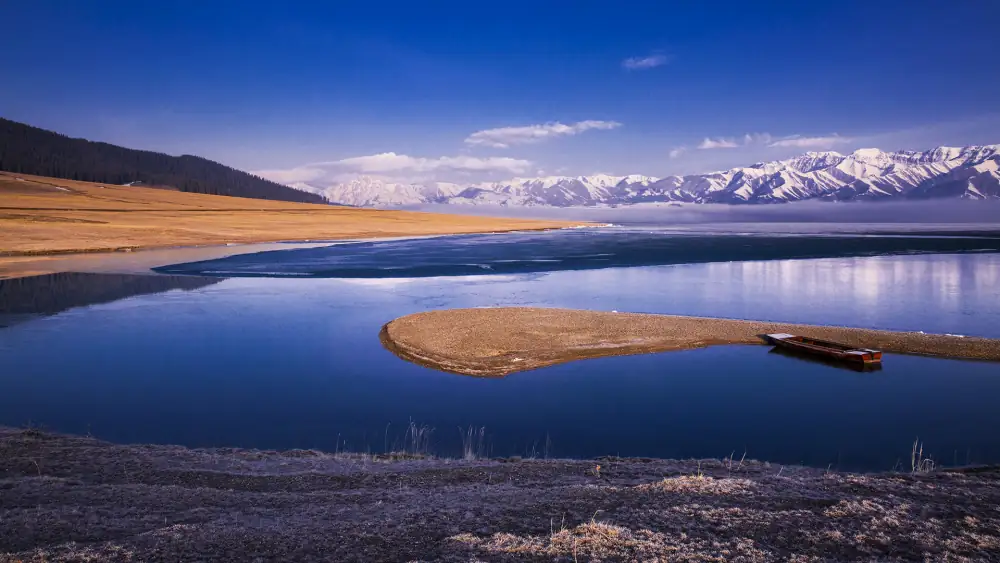
Bayinbuluke is part of the Bayingol Mongolian Autonomous Prefecture, and the grassland is traditionally Mongolian nomadic territory. Mongol families still conduct summer pasturing (转场, the seasonal movement of herds between lowland winter quarters and highland summer pastures), though many families now have semi-permanent structures alongside their traditional yurts.
Yurt stays: Staying in a yurt with a nomadic Mongolian family is the most direct way to engage with the culture. Options range from genuinely pastoral families who host visitors (basic facilities; ¥150–250/night including meals) to more developed yurt camps with bathroom facilities (¥400–800/night).
The pastoral calendar:
- Late April to May: The great spring migration (春转场) when herds move up to the summer pastures; spectacular movement of sheep, cattle, horses, and camels across the grassland
- Summer (June–August): The yurt communities are fully established; horse races and wrestling competitions sometimes held for visitors
- Autumn (September–October): The downward migration begins; the grassland turns golden
Mongolian hospitality customs: When visiting a yurt as a guest, traditional customs apply: enter from the right; sit in the designated guest area (typically opposite the door); accept offered airag (fermented mare’s milk) or milk tea even if just a sip; do not refuse food offered; avoid pointing feet at the sacred north side of the yurt (where the altar sits).
Horse riding: Horse rental from local families (¥100–200/hour) is available in the settlement area; longer guided rides across the grassland (half-day or full-day) can be arranged for ¥300–600.
Bayinbuluke Town Practicalities
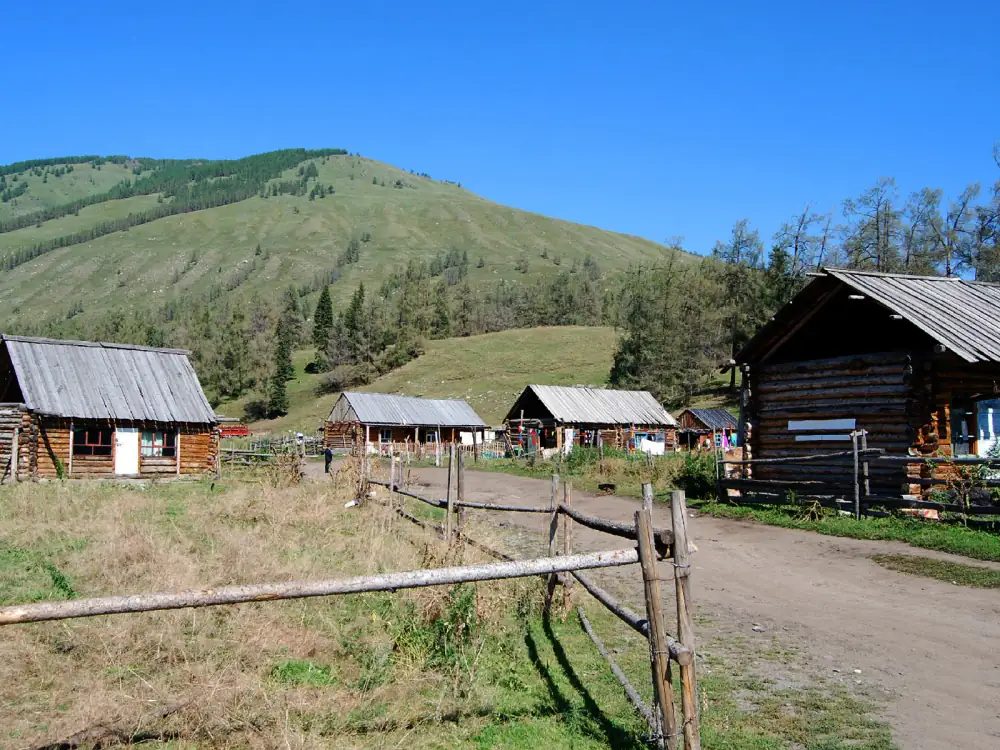
The main settlement is small — essentially a service village with accommodation and restaurants.
Accommodation:
- Yurt camps (蒙古包): Multiple operators; prices ¥250–800/night depending on facilities. The most atmospheric but basic facilities
- Guesthouses (客栈): Standard rooms with private bathrooms; ¥150–350/night; warmer and more comfortable than yurts in cold weather
- Pre-booking: Essential July–August (Chinese summer holiday peak season); book 2–3 weeks ahead
Food:
- Roast mutton (烤全羊): The defining Mongolian feast dish; requires advance ordering (usually a minimum of 6–8 people and 4 hours’ notice)
- Hand-held lamb (手抓肉): Available daily at most restaurants; simpler and excellent
- Milk tea and dairy products: Standard accompaniment to every meal in Bayinbuluke
Altitude considerations: The basin sits at about 2,500m; most visitors acclimatize quickly, but those arriving from low altitudes may feel slightly breathless the first day. Not extreme.
Best Time to Visit Bayinbuluke
May–June: Wildflowers blanket the grassland; swan breeding season; the spring migration of nomadic herds; relatively uncrowded. The landscape is at its most lush and green.
July–August: Peak season — warmest temperatures, maximum visitor numbers, the Chinese school holiday rush. Book everything in advance. The grassland is green and the swans are with their cygnets.
September: Excellent — the crowds thin after the school holiday season; the grassland begins turning golden; crisp clear days; the combination of golden grass, snow peaks, and river meanders is at its most photogenic. The preferred month for photographers.
October: Cold (night temperatures regularly below 0°C); most of the swans have departed; the grassland is brown; accommodation options reduce significantly. Not the ideal visit window.
Winter (November–April): The settlement reduces to a skeleton crew; roads may be snow-covered and the mountain road closed. Not recommended for regular visitors.
Practical Tips
What to bring:
- Warm layers regardless of the season — even in summer, evenings are cold (8–12°C) and altitude winds are chilly
- Sunscreen and sunglasses — UV at altitude is intense
- Cash — ATMs are absent in Bayinbuluke; bring sufficient yuan before leaving Korla
Connectivity: Mobile signal is weak in much of the basin; do not rely on phone navigation. Download offline maps (Baidu or Maps.me with Xinjiang offline data) before departure.
Photography equipment: Wide-angle lens for landscapes, telephoto for birds and wildlife, tripod for sunset/sunrise shots. The Nine-Bend viewpoint is exposed and windy — bring a substantial windproof jacket even in summer.
Permits: No special permits required for Bayinbuluke as of 2026. Standard Chinese travel rules apply (valid visa and passport registration). Note that Xinjiang broadly requires registration at accommodation within 24 hours of arrival — your guesthouse or yurt camp will handle this.