
Putuoshan is an anomaly among China’s Buddhist pilgrimage sites: it’s an island. Technically a small island in the Zhoushan archipelago of Zhejiang province, Putuoshan is designated as one of China’s four sacred Buddhist mountains (the others being Wutaishan, Emeishan, and Jiuhuashan) and serves as the earthly home of Guanyin — the Bodhisattva of Compassion who is perhaps the most widely worshipped figure in Chinese Buddhist tradition.
The combination of genuine religious pilgrimage, excellent beaches, misty coastal forest, and the feeling of being somewhere distinctly apart from the mainland gives Putuoshan an atmosphere you won’t find at any Buddhist site in a Chinese city. Even if you’re not Buddhist, there’s something compelling about a small island where the primary business has been prayer and contemplation for over a thousand years.
Table of contents
Open Table of contents
Getting to Putuoshan
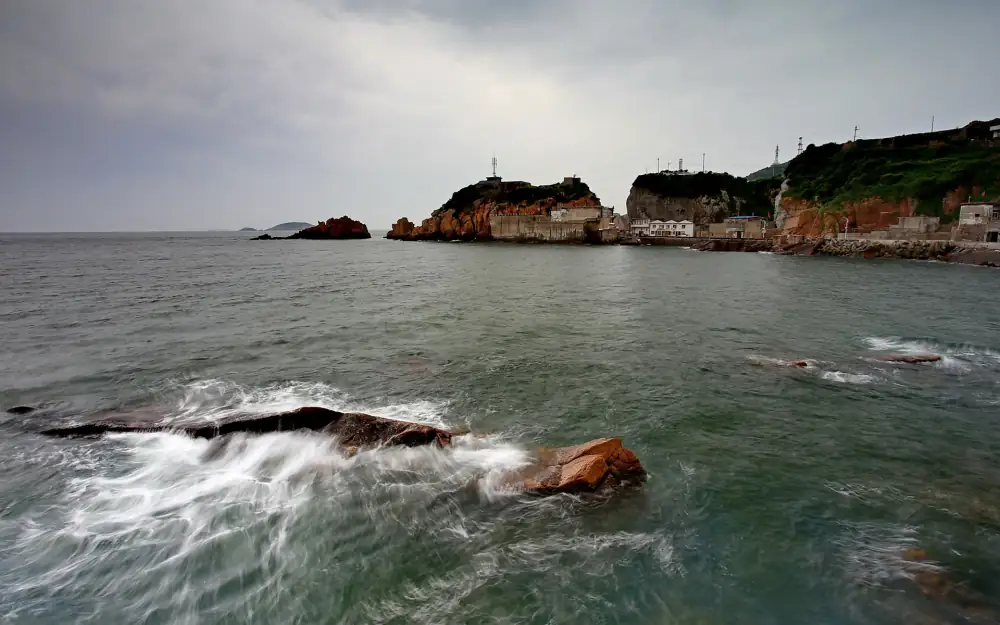
The island is reached by ferry. There are two main approaches:
From Shanghai
By fast ferry from Wusongkou (a 45-minute drive from central Shanghai): Fast catamaran ferries depart daily and reach Putuoshan in about 3–4 hours. Tickets cost around ¥170–220 each way. The ferries depart from Wusongkou International Cruise Terminal — take Metro Line 1 to the terminal area or get a Didi.
By HSR to Ningbo + ferry: Take a high-speed train from Shanghai Hongqiao to Ningbo (about 1.5 hours, ¥100–140), then connect by ferry from Ningbo’s Zhoushan ferry port. Total journey time: 3–4 hours.
From Ningbo
Regular ferry services from Ningbo to Putuoshan run throughout the day. Journey time: about 1.5–2 hours by fast ferry. Cost: ¥100–130 each way.
From Hangzhou
There is no direct ferry from Hangzhou. Take an HSR to Ningbo (40 minutes) and connect from there.
On arrival: The island charges an entrance fee of ¥160 per person, collected at the ferry terminal. This includes access to all temples. It does not cover internal transport (minibuses within the island) or individual cable cars.
The Three Main Temples
Puji Temple (普济禅寺)
The largest and most important temple on the island, Puji sits in the center of the island surrounded by a large lotus pond crossed by traditional stone bridges. The main hall houses a large gilded Guanyin statue, and there are usually incense clouds thick enough that you can smell the temple from a distance. The temple dates to the Song Dynasty (with many later additions and restorations) and is a working monastery — monks live and practice here year-round.
The most atmospheric time to visit is early morning, around 6:30–8am, when monks chant sutras and pilgrims arrive for morning worship. The sound of the wooden fish drum and bells at dawn is extraordinary. Tourist crowds typically arrive after 9am.
Fayu Temple (法雨禅寺)
Built into a hillside in the northeast of the island, Fayu is visually different from Puji — it rises through several terraced courtyards carved into the slope, with the highest hall looking down through treetops. The Nine Dragon Wall (a screen with nine dragons in relief) is particularly fine. The approach through forested paths from the road below is one of the better walks on the island.
Huiji Temple (慧济禅寺)
At the top of Foding Mountain (佛顶山), the island’s highest point, Huiji is reached by cable car (¥50 one way, ¥80 return) or a 1–1.5 hour hike. The temple sits in forest and has a different, quieter character than the two main temples below. The views from the hill above the temple across the island and ocean are worth the climb regardless of your interest in temples.
The Temple Circuit
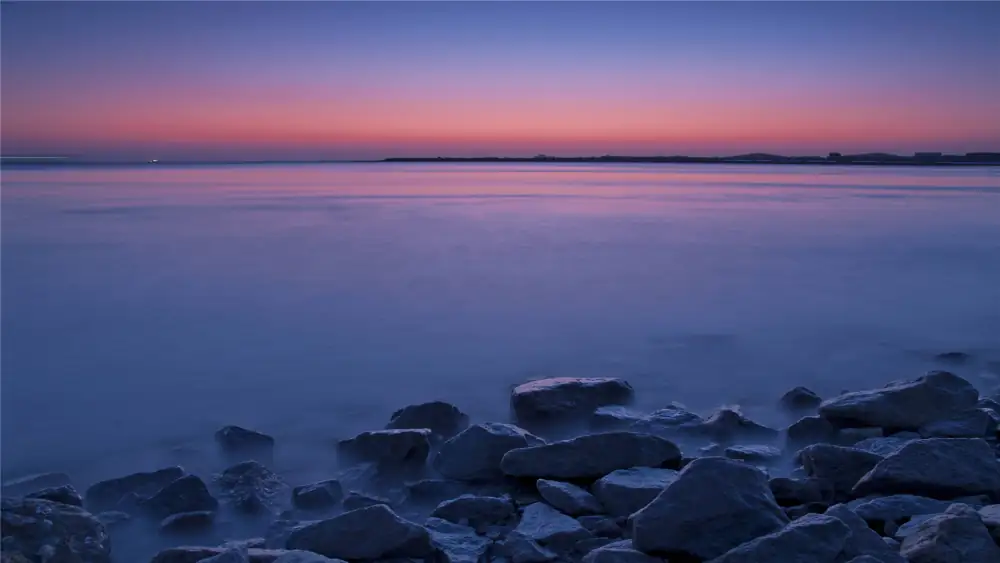
The most satisfying way to see Putuoshan is to walk a circuit connecting the three temples, which takes a full day of relaxed walking or half a day at pace. Several footpaths through coastal forest connect the sites. Distance: approximately 8–10km for the full circuit.
A minibus system serves major points on the island — useful for cutting between temples without repeating paths. Tickets are ¥5–15 per journey.
The Beaches
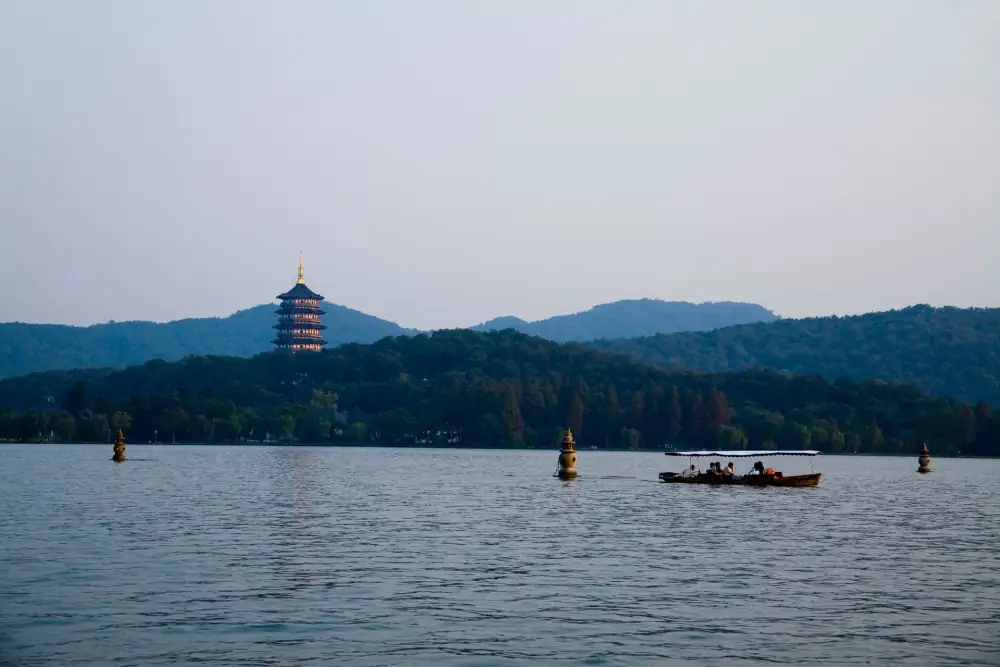
This is an aspect of Putuoshan that surprises people who expect a purely religious destination. The island has genuinely good beaches, and they’re popular with Chinese tourists who come primarily for the sea rather than the temples.
Thousand Step Beach (千步沙): The longest beach on the island, about 1.3km. Clean sand, decent water quality. Swimming area is marked. Relatively calm compared to open ocean beaches.
Hundred Step Beach (百步沙): Shorter but more sheltered, north-facing. Often quieter.
Swimming is possible from June to October. The water is temperate — comfortable in summer, cold from November onward.
What Makes This Place Feel Different
Several things set Putuoshan apart from a standard “tourist temple” experience:
Genuine pilgrimage energy. A significant proportion of visitors are Guanyin worshippers who have come specifically to pray. Some are elderly women who have saved for years to make this journey. Watching someone prostrate themselves before an altar they’ve traveled hundreds of kilometers to reach — without performance or audience in mind — puts you in contact with something real.
The sound landscape. Bells, chanting, wind through pines, distant waves. The island has no private vehicles except for service trucks, which makes it unusually quiet for China.
Scale and density. The island is small enough that everything is reachable on foot, yet it contains a full spiritual ecosystem: temples, nunneries, monasteries, hermitages, caves, memorial halls.
The cave temples. Chaoyin Cave (潮音洞) is a sea cave where waves crash against the base of the cliff — historically a place where monks sat in meditation listening to the sound of the ocean as a form of practice. The cave itself is fairly small, but the atmosphere is striking. Fanjin Cave has a large Guanyin relief image carved into the cliff face.
Practical Tips
When to go: The quietest periods are weekdays in March–May or September–October. The peak pilgrimage dates — especially Guanyin’s birthday in the lunar calendar (19th day of the 2nd, 6th, and 9th lunar months) — bring thousands of additional pilgrims. These dates are spiritually meaningful but extremely crowded.
Accommodation: The island has a range of options from basic guesthouses (¥150–250/night) to mid-range hotels (¥400–700). Book ahead for weekends and especially for the three Guanyin festival dates. Several guesthouses are run by families who have lived on the island for generations.
What to wear: Shoulders and knees should be covered for temple entry. Bring a light layer regardless of the season — the sea breeze makes evenings cool even in summer.
Vegetarian food: All temple canteens serve vegetarian meals (Buddhist vegetarianism excludes all animal products). The monk’s meal at Puji Temple canteen at noon is open to visitors for about ¥10–15. The food is simple and excellent.
Duration: One night is the minimum to avoid rushing. Two nights gives you time for the temple circuit, beach time, and early morning temple visits. Three nights is ideal for genuinely slow travel and catching the morning atmosphere that day-trippers miss entirely.