
Wenzhou is one of China’s most economically successful cities — the “Wenzhou Model” of private enterprise development made it a byword for entrepreneurial culture in the 1980s and 90s. It’s also the origin city of more overseas Chinese in Europe than almost anywhere else in China (particularly Italian Chinese). What it has never been is a tourist destination.
That’s the wrong assumption. Southern Zhejiang around Wenzhou has some of the most varied and impressive scenery in eastern China, almost entirely overlooked by the international visitor circuit. The volcanic landscape of Yandang Mountain, the stone-village culture of Taishun, the ancient wooden covered bridges, and a chain of offshore islands for diving — these are all within easy reach of a city with direct flights from Shanghai and a high-speed rail connection.
Table of contents
Open Table of contents
Yandang Mountain (雁荡山)
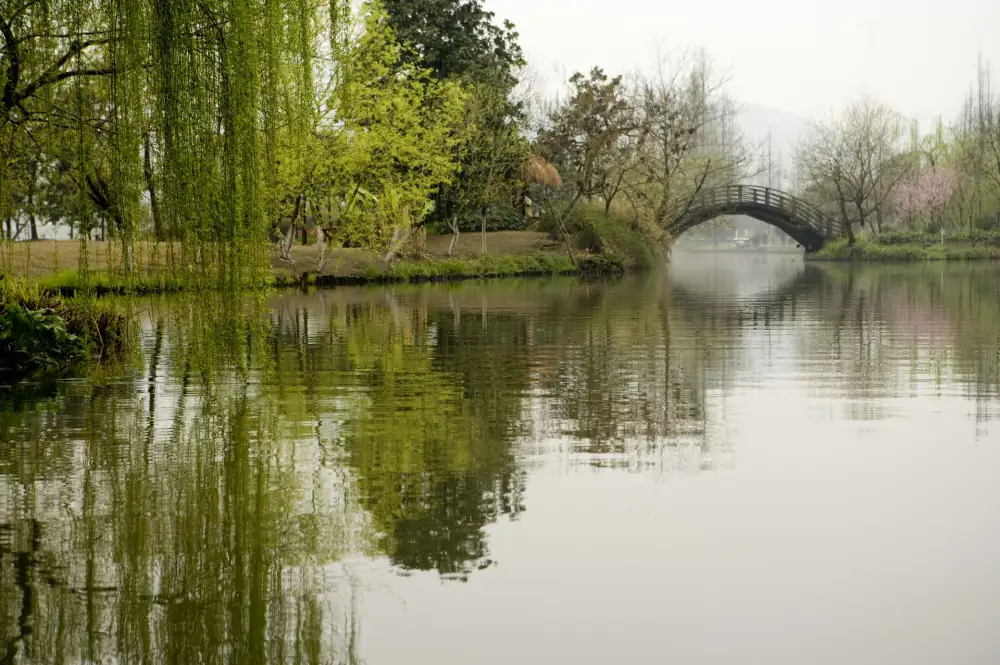
Yandang Mountain, about 80km north of Wenzhou, is a UNESCO-listed national scenic area of extraordinary geological character. The mountain was formed by volcanic activity and then eroded into dramatic shapes — sheer cliff faces, needle-like spires, basalt columns, and deep gorges — distinct from the limestone karst of Guilin or the granite peaks of Huangshan.
How to reach Yandang:
- Bus from Wenzhou Bus Station (温州长途汽车站): about 1.5 hours, ¥35–50
- Taxi from Wenzhou: ¥150–200 one way, about 1.5 hours
- The nearest station on the Yandang scenic rail is Yandangshan Station
Scenic area fees: ¥165 per person (covers most key sites); individual attractions ¥20–40
Key Attractions
Lingfeng Scenic Area (灵峰景区): The most visited section, with dramatic towers of volcanic rock rising from a valley floor. The views change dramatically with the light — what appears as two rocks from one angle might look like a completely different shape from another.
Big Dragon Qiu (大龙湫瀑布): China’s second-highest waterfall (193 metres), cascading down a sheer cliff face. After heavy rain, the volume is extraordinary; in dry periods it becomes a fine mist. About 1.5 hours walk from the Lingfeng scenic area.
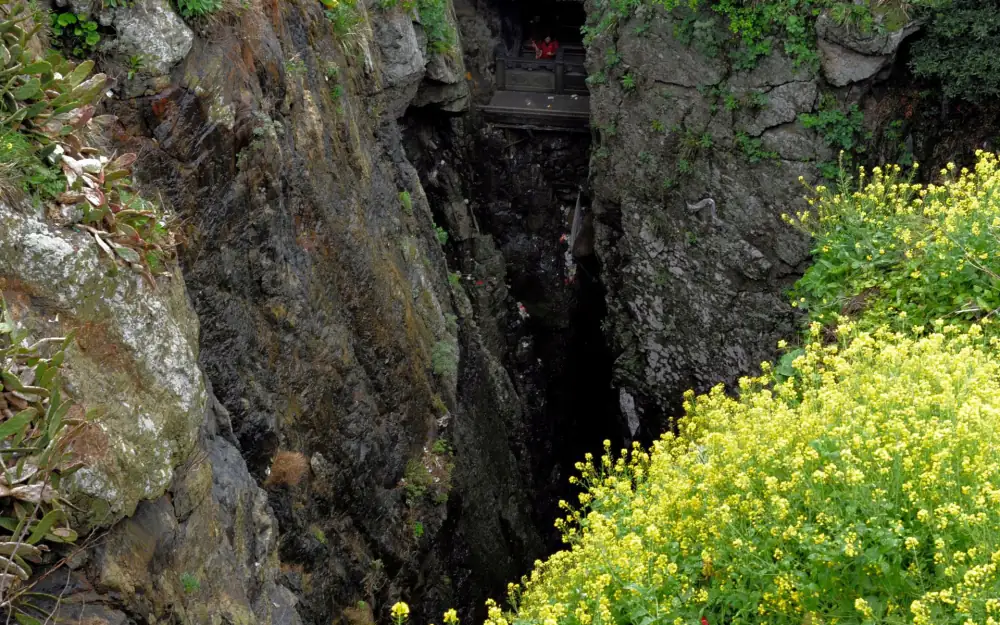
Lingyan Scenic Area (灵岩景区): A vertical cliff face with cave temples and pavilions accessible via ladders and staircases. The physical access is genuinely vertiginous in sections.
Xiangu Cave (仙姑洞): A cave-temple complex reached by walking along a narrow ledge path on a cliff face. Impressive combination of natural formation and Buddhist architecture.
Photo timing: Yandang Mountain is at its best in morning mist (spring and autumn provide the best mist conditions). Afternoon light hits the rock faces favourably in the west-facing sections.
Taishun County (泰顺县) and the Covered Bridges (廊桥)
Taishun County, in the mountainous southwest of Wenzhou, contains the densest collection of traditional wooden covered bridges (廊桥, lang qiao) in China — over 30 surviving examples, some dating to the Song Dynasty.
The covered bridges are masterworks of timber engineering — constructed without iron nails, using interlocking wooden arches that distribute stress in ways that have kept them standing for centuries. Floods have destroyed many over the years, but many remain in place in the mountain valleys.
The most important bridges:
Sixi Covered Bridge (泗溪廊桥): Two adjacent Song-dynasty covered bridges in the Sixi village area; the most photographed. Entry ¥15.
Nanxi Village Bridge area: Several bridges within walking distance of each other along the Nanxi River Valley; the scenery of bridges in forested mountain settings is excellent.
Tongji Bridge (筒姑桥): One of the longest surviving covered bridges, 41 metres.
Getting to Taishun: Bus from Wenzhou South Bus Station (温州南站) to Taishun County town (泰顺县城), about 2.5 hours. Then local buses or motorbike taxis to bridge sites.
Recommended approach: Hire a car in Wenzhou for the day (¥400–600) — the bridges are scattered across the county and flexible transport makes a multi-bridge visit practical.
Nanji Islands (南麂列岛)
The Nanji Islands are an archipelago about 50km offshore from Wenzhou’s coastline — a marine nature reserve with exceptional water clarity and one of China’s best shore-accessible diving and snorkeling destinations.
Access: Ferry from Ao Jiang (鳌江) pier; about 2.5 hours, ¥120–150 one way. Ferries run twice daily in summer.
What to expect:
- Clear water with visibility reaching 10+ metres in summer
- Diverse marine life including octopus, sea urchin, yellowfin tuna, and multiple coral species
- Island accommodation in village guesthouses or small hotels (¥200–400/night)
- Fresh seafood from village restaurants — among the freshest and least expensive seafood in Zhejiang
Diving: Basic scuba certification courses available on the island (PADI open water, ¥1,500–2,000); diving equipment rental ¥150–250/day. The best dive sites are accessible from shore.
Best season: June–October for diving; June–September for swimming. Avoid the island during typhoon warnings.
Qingyuan (庆元) and the Surrounding Mountain Villages
Qingyuan County, about 200km southwest of Wenzhou (and technically just over the Zhejiang-Fujian border, but accessible from Wenzhou), has:
Ancient covered bridges of a different style: The Qingyuan bridges are more substantial than Taishun’s, with some serving as village market spaces.
Bamboo sea (竹海): Large bamboo forests with walking paths through dense groves; a different landscape from the mountain peaks elsewhere in the region.
Traditional village architecture: Several “ancient villages” of Ming and Qing dynasty buildings in good preservation, without tourist crowds.
Wenzhou City Itself
The city of Wenzhou isn’t a major sightseeing destination, but it has some points of interest:
Jiangxin Island (江心屿): An island in the Oujiang River in central Wenzhou — two pagodas on either end (one Tang Dynasty, one Song Dynasty), some garden paths, and good river views. Ferry access ¥15; entry ¥10.
Wenzhou Food: The city’s Oujiang culture produces its own distinct seafood cuisine — different from Cantonese (less sweet) and different from Fujian (less sour). Local recommendations:
- Wenzhou-style pan-fried dumplings (瓯式锅贴): Smaller and crispier than northern versions; ¥10–18
- Fresh rice noodles with offal soup (猪脏粉): A morning staple at local canteens; ¥12–18
- Oyster congee (蚵仔粥): Fresh oysters in thin congee; ¥15–25
Getting to Wenzhou
By air: Wenzhou Longwan International Airport (WNZ) has direct flights to Shanghai (1 hour), Beijing (2 hours), and many domestic destinations.
By high-speed train: Wenzhou South Station on the Ningbo-Fuzhou HSR line:
- From Hangzhou: About 2 hours, ¥120–160
- From Fuzhou: About 1.5 hours, ¥100–140
- From Xiamen: About 2 hours, ¥120–160
- From Shanghai Hongqiao: About 3 hours, ¥190–240
When to Visit
Autumn (September–November): Best overall season — good weather for mountain hiking, clear water for island visits, no typhoons, excellent mushroom and seafood season.
Spring (April–June): Yandang Mountain is excellent with mist and new foliage. Some bridges flood in heavy spring rain.
Summer (July–August): Island season; typhoon risk in late August–September. Mountain areas get crowded on Chinese holidays.
Winter (December–February): Quiet and relatively mild (8–15°C). Good for the bridges and villages without crowds.
Suggested Itinerary (5 Days)
- Day 1: Arrive Wenzhou, Jiangxin Island, local seafood dinner
- Day 2: Yandang Mountain (day trip or overnight at the mountain)
- Day 3: Drive to Taishun — Sixi Bridges, village exploration
- Day 4: Ferry to Nanji Islands, afternoon snorkeling
- Day 5: Full Nanji Islands morning, return to Wenzhou, depart