
Pingyao is one of the few places in China where accommodation is an essential part of the experience rather than just a logistical detail. The city’s 2,700-year-old walled town contains hundreds of converted Ming and Qing dynasty courtyard houses that operate as hotels — sleeping inside buildings that have been standing for 300-400 years, in a town where the street grid hasn’t changed significantly since the Song dynasty. This is not a normal hotel stay, and the difference between staying inside the walls and outside is the difference between being in Pingyao and being near it.
Table of contents
Open Table of contents
Why Staying Inside the Walls Matters
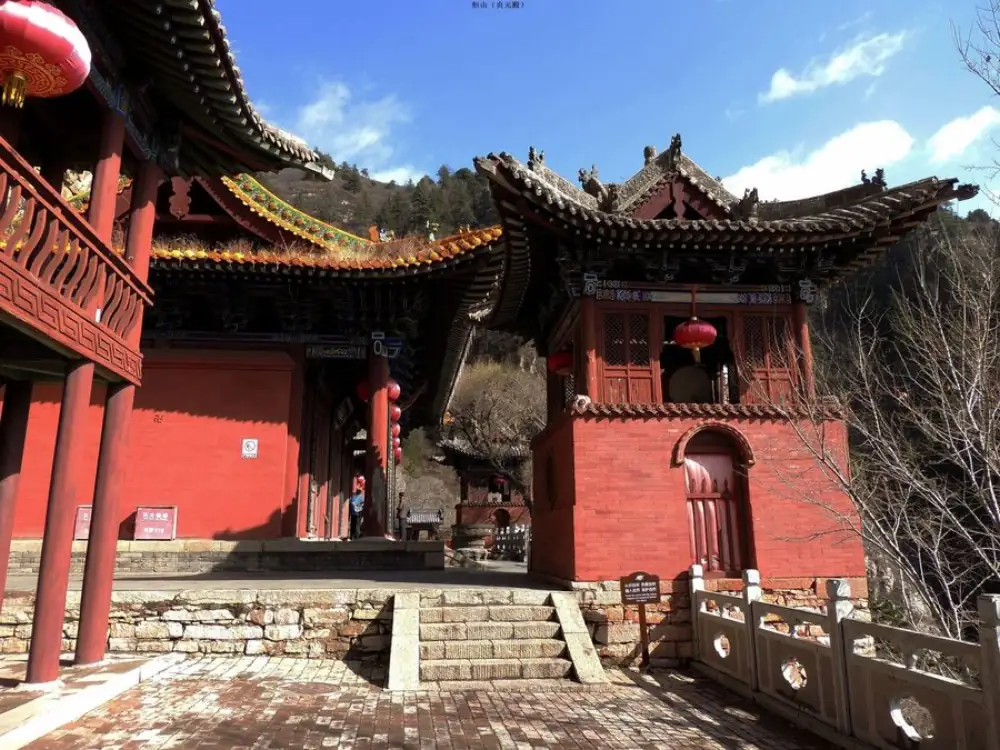
Pingyao Ancient City (平遥古城) was inscribed as a UNESCO World Heritage Site in 1997 — one of China’s best-preserved examples of a walled Han Chinese city from the Ming and Qing dynasties. The walls, the main temples, the old merchant banking district, and the residential lanes are all within a compact grid that takes about 40 minutes to walk end-to-end.
Early morning access: Staying inside means you can be on the main street (南大街, South Street) at 6:30-7am, before any tour groups from outside arrive. The morning light on the grey-tiled rooflines, the shopkeepers opening their shutters, the relatively quiet streets — this is the best hour in Pingyao, and you only access it by staying inside.
Nighttime atmosphere: After 8pm when day visitors leave, the old city settles into a quieter state that’s genuinely atmospheric. Lanterns light the main streets; the side lanes are dark and quiet. The city gates are lit. Walking here after dinner is extraordinary.
No car access inside: The walled city has no vehicle roads. Your luggage comes in on a hand cart. This inconvenience is also what keeps the walls’ interior from being disrupted by traffic.
Understanding the Courtyard Hotel Format
Siheyuan (四合院) is the traditional northern Chinese courtyard house — rooms arranged on four sides around a central courtyard. Pingyao’s version is the Shanxi merchant-house adaptation, slightly narrower than Beijing’s equivalent, often two storeys, with richly carved wood details on the eaves and doors.
Converted to hotels, these properties typically have:
- A central courtyard (some with a tree that’s hundreds of years old)
- 8-20 rooms of varying sizes
- Traditional wooden furniture, fabric lanterns, often kang beds (heated stone bed platforms, a northern China tradition)
- An owner or family usually on-site
What varies significantly:
- Size of rooms (some are genuinely large historical bedrooms; some are small former storage rooms converted)
- Quality of renovation (sympathetic historical restoration vs modern renovation that replaces character with standardisation)
- The courtyard itself — whether it’s well-maintained and actually used as a common area
- Heating quality (crucial — see below)
Price Ranges and What to Expect
Budget (¥150-280/night)
At the lower end you’re in a basic courtyard room — likely a smaller space within a large historic building, sharing the courtyard with 12-18 other rooms, with basic amenities (clean bathroom, WiFi, adequate heating in winter).
The buildings themselves are old regardless of price — the atmosphere is what you’re paying for at every level. Budget courtyard rooms in Pingyao are often more atmospheric than expensive modern hotels elsewhere in China.
What to check at budget level: Bathroom in the room vs shared (many budget properties have shared bathroom facilities). Heating quality — Pingyao winters are cold (November through February can be below freezing).
Mid-Range (¥280-600/night)
At this level you get more space, a private bathroom with a proper shower, better-maintained rooms, and the courtyard tends to be better kept. The renovation quality is higher — original wooden beams preserved and polished rather than painted over, original floor tiles retained.
This is the sweet spot for most visitors: genuinely historical environment without the compromises of budget-level.
Premium Courtyard Hotels (¥600-1,200/night)
The top-tier Pingyao properties are historical compounds with the best courtyards and the most sensitively restored rooms. You’re looking at rooms that were once reception halls or main family bedrooms — the highest-status spaces in the original building, correspondingly larger and better proportioned.
Jing’s Residence (景家大院) — one of the most frequently cited top-tier properties. A Qing dynasty merchant compound with multiple courtyards. Well-run, good English service, consistently reviewed as the best Pingyao experience. ¥700-1,200/night.
The Harmony Guesthouse (天和客栈) — smaller scale, family-run, excellent personal service. Good value at the higher mid-range. ¥500-800/night.
Where Inside the Walls to Stay
The walled city is small enough that no location is far from anything. But there are meaningful differences:
Near South Street (南大街): The main commercial street. Maximum restaurant and shop access, also the most noise (though the noise is people walking, not vehicles). Best for visiting the ticket sights along the main axis.
West side lanes: Quieter than the main street, still accessible to everything. The area around Qinglong Street (青龙街) and the lanes west has some of the best-maintained residential courtyard buildings.
Near the city wall: The inside of the wall itself is walkable (the 6km wall walk is a Pingyao activity). Properties near the wall have the most quiet and, from rooftop terraces, views along the wall line.
The northwest quarter: Farthest from the entry gates and main tourist circuit. Very quiet, the most genuinely residential feeling part of the old city.
The Heating Question
Pingyao is in northern Shanxi Province and winter (November-March) is genuinely cold. Traditional courtyard architecture was designed around kang bed heating and coal stoves — not necessarily compatible with modern comfort expectations.
What to ask when booking:
- “Does the room have modern electric or air-source heating?” (现代暖气还是空调供暖)
- “Is the bathroom heated?”
- Some properties have installed underfloor heating; this is the best option
The best-renovated properties have solved the heating problem. The more basic budget options may rely on electric space heaters that work adequately but not perfectly in a stone and timber room in January.
Summer and shoulder seasons: April-May and September-October have mild, comfortable temperatures. Heating is not an issue. This is the optimal visiting window.
Booking Strategy: Book Early
Pingyao is one of the Chinese tourist sites where advance booking is genuinely necessary.
October Golden Week (first week of October): The entire walled city fills up. Many properties are fully booked 3-4 months ahead. This is when Pingyao is at peak atmosphere and also maximum crowds. Book in September at the latest.
Chinese New Year: Popular for the Lantern Festival celebrations. Book 6-8 weeks ahead.
Spring Festival to May: Filling up earlier each year. 4-6 weeks ahead for the best properties.
Other times (June-September excluding Golden Week, November-December): 2-3 weeks ahead is usually sufficient. January-February is the slowest period with lowest prices (¥150-250 at budget end).
Practical Notes
Getting to Pingyao: Pingyao has a high-speed train station (平遥古城站) 10 minutes from the walled city. From Beijing it’s 3 hours by G-series train (¥180-250). Taxi from station to the old city walls: ¥20-30.
Luggage: Your guesthouse can arrange a luggage porter (行李小车) to meet you at the city gate. Usually ¥10-20. Wheeled suitcases on the cobblestone streets are painful.
Entrance fee: Pingyao has a unified entrance ticket (平遥古城通票) that covers multiple sights within the walls. Ask your guesthouse to explain the current ticketing system — it changes periodically.
Restaurants: Dozens of restaurants serve Shanxi specialties inside the walls — dao xiao mian (刀削面, knife-cut noodles), lao chen cu (aged Shanxi vinegar used in cooking), and Shanxi-style braised meats. The quality ranges widely; your guesthouse staff will know which ones are actually good.