
Shanxi Province is China’s repository of ancient architecture — it contains over 70% of China’s surviving pre-Ming Dynasty wooden buildings. While other regions rebuilt and modernised, Shanxi’s relative isolation preserved a staggering legacy of Song, Tang, and even earlier structures.
Table of contents
Open Table of contents
Pingyao Ancient City (平遥古城)
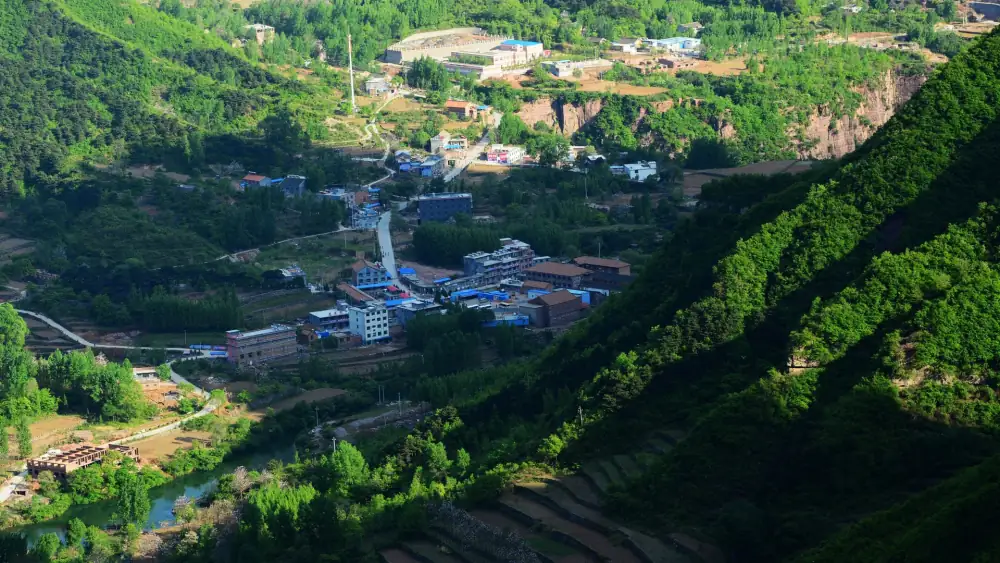
Pingyao is China’s best-preserved Ming Dynasty city — 6km of original city walls enclosing a street grid, temples, and residences that look essentially unchanged from the 17th century. Unlike most “ancient towns” in China, Pingyao is a living city where locals still live within the walls.
The City Walls
The most intact Ming Dynasty city walls in China — 6.4km circuit, 12 metres high, with 72 watchtowers and 4 main gates. Walk the full perimeter in 2 hours (sunrise is magnificent).
Entry: ¥130 (2-day combined ticket covering all sights within the walls)
Rishengchang Exchange Shop (日升昌票号)
The world’s first bank — established in 1823, Rishengchang pioneered the Chinese exchange note (piaohao) system that allowed merchants to transfer money between cities without physically moving silver. This 200-year-old financial innovation is documented in an excellent museum.
Pingyao Confucian Temple (文庙)
Dating to the Northern Song Dynasty (10th century), this is one of the oldest Confucian temples in China. The central daxiong hall’s Song Dynasty architecture is extraordinary.
Shuanglin Temple (双林寺)
6km southwest of the city — a monastery with over 2,000 Tang and Song Dynasty painted clay sculptures. The Thousand Buddha Hall contains one of the finest collections of polychrome religious sculpture in the world. Entry ¥35.
Traditional Food and Accommodation
Pingyao is famous for beef (平遥牛肉) — aged beef cured in a specific local style. Also try cat-ear pasta (猫耳朵面) and the local vinegar (Shanxi is China’s vinegar capital).
Accommodation: Stay inside the city walls — dozens of courtyard guesthouses converted from Ming mansions. Budget to mid-range ¥150–¥400/night.
Wutai Mountain (五台山)
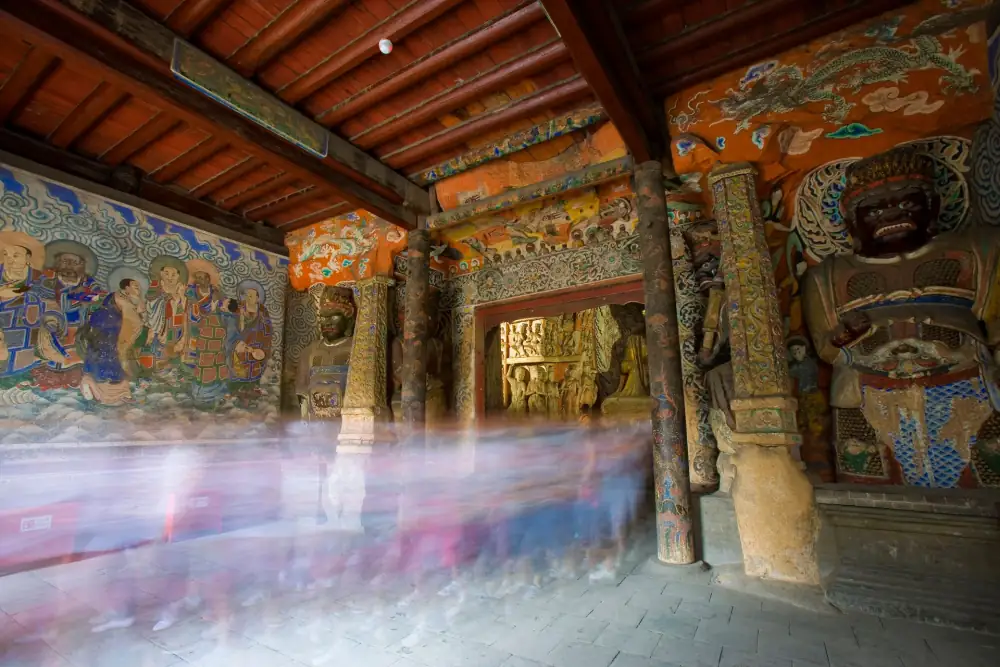
One of China’s four sacred Buddhist mountains (五岳 + 四大佛教名山) — Wutai’s five flat-topped peaks give it the name “Five Terraces Mountain.” Home to 68 active monasteries spanning 1,600 years of Buddhist history.
Foguang Temple (佛光寺)
Built in 857 AD — the oldest surviving wooden building in China. The Tang Dynasty main hall with its original clay statues is considered one of China’s most important architectural and artistic treasures. Remarkably, it survived because it was abandoned for centuries and not rebuilt.
Nanchan Temple (南禅寺)
Even older — 782 AD, Tang Dynasty — the second oldest surviving wooden structure in China. Small and simple; all the more impressive for its age and survivability.
Xiantong Temple (显通寺)
Wutai’s largest temple — founded in the 1st century AD (Eastern Han Dynasty), though current buildings date from the Ming and Qing periods. The bronze hall (铜殿) is cast entirely from bronze; the white pagoda (大白塔) is Wutai’s iconic landmark.
Getting there: Bus from Taiyuan (2.5 hours) or Datong (3 hours) to Taihuai village, the accommodation and transport hub within the mountain area.
Datong (大同)
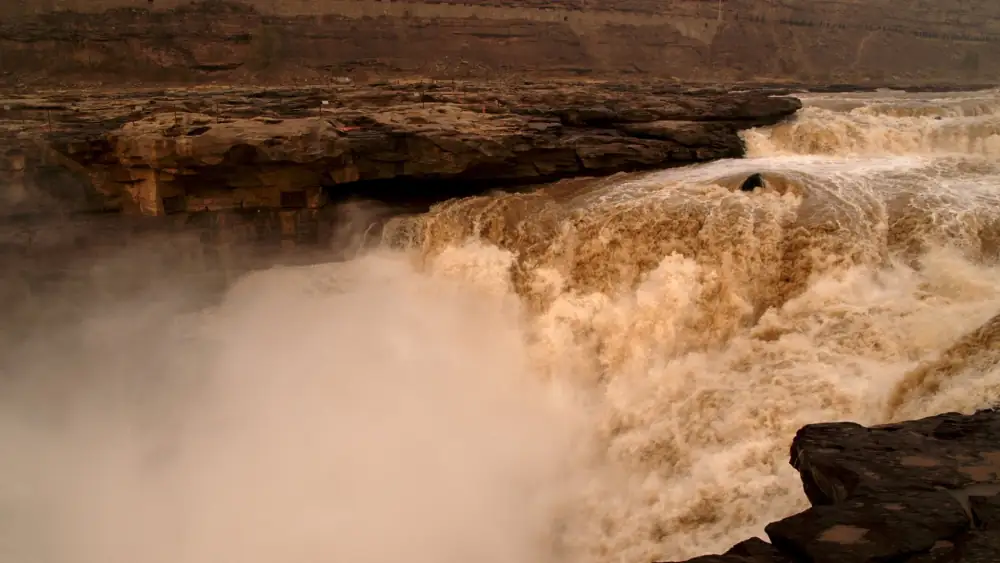
Datong was the capital of the Northern Wei Dynasty (386–534 AD) when Buddhism flourished and created extraordinary art.
Yungang Grottoes (云冈石窟)
53 caves and over 51,000 Buddhist sculptures carved into sandstone cliffs between 460–525 AD. Cave 20, with its 13.7-metre seated Buddha with a serene, idealized face, is one of the greatest works of art in China. UNESCO World Heritage Site.
Entry: ¥150. Allow 3–4 hours.
Hanging Temple (悬空寺)
China’s most dramatic temple — built into a sheer cliff face in the Hengshan Mountains, 75km from Datong. The wooden structure appears to defy gravity, supported by wooden poles inserted into the rock. Houses Confucian, Buddhist, and Taoist halls together in a unique “three religions” complex.
Entry: ¥130. Very narrow and crowded — visit early morning.
Getting Around Shanxi
Taiyuan is the provincial capital and transport hub. Flights from Beijing (1 hour) and Shanghai (2 hours). High-speed train from Beijing (2.5 hours).
From Taiyuan: bus or train to Pingyao (1.5 hours); bus to Wutai Mountain (3 hours); train to Datong (1.5 hours).