
Liaoning Province anchors China’s industrial northeast with two cities of completely different character: Shenyang, the former Manchu capital where the Qing Dynasty began, and Dalian, a coastal city designed by Russian and then Japanese planners that remains one of China’s cleanest and most European-feeling urban environments.
Table of contents
Open Table of contents
Shenyang (沈阳)
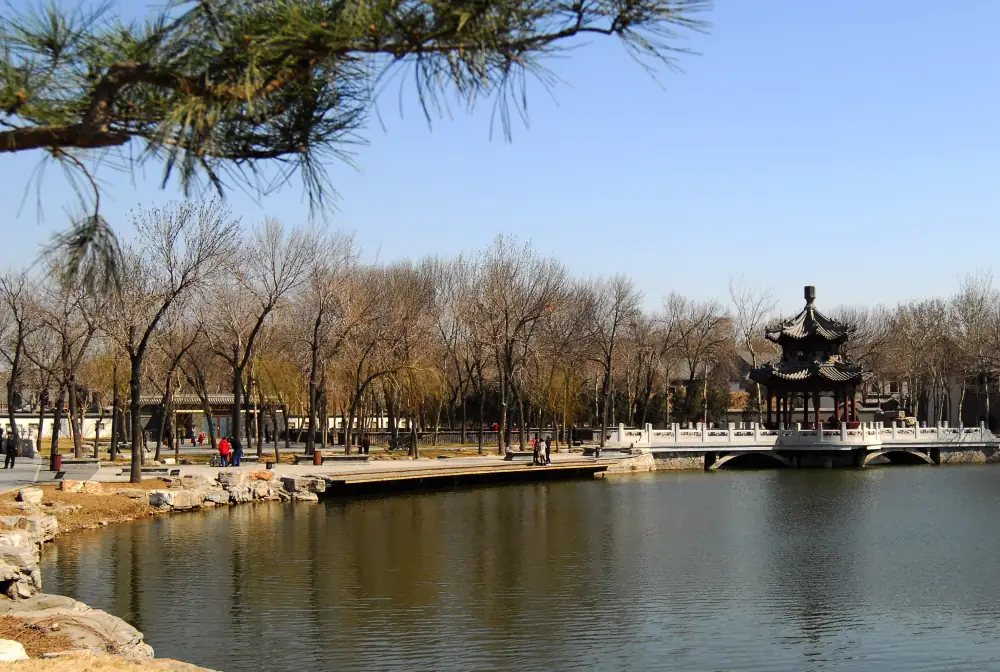
Shenyang was the capital of the Manchu people before they conquered China and established the Qing Dynasty (1636–1912). It’s still called Mukden in some historical contexts, and its imperial palace predates Beijing’s Forbidden City.
Shenyang Imperial Palace (沈阳故宫)
Also called the Mukden Palace — the original Qing imperial court built between 1625–1636. Smaller than Beijing’s Forbidden City but arguably more intimate and less crowded. The Dazheng Hall and Ten Princes Pavilions are architecturally unique, reflecting the Manchu people’s heritage before they adopted full Chinese court styles.
Entry: ¥60
Time: 2–3 hours
Zhang Xueliang’s Former Residence (张学良旧居)
The “Young Marshal” Zhang Xueliang was the warlord of Manchuria who kidnapped Chiang Kai-shek in 1936 to force a united front against Japan (the Xi’an Incident). His grand Neo-Renaissance mansion is now a museum covering northeastern Chinese history and the turbulent Republican era.
Mukden Palace Neighbourhood
The old city around the Imperial Palace has been sensitively developed — traditional buildings, tea houses, and craft shops. The Shenyang Zhongjie (中街) pedestrian commercial street is one of the oldest shopping streets in China.
Dalian (大连)
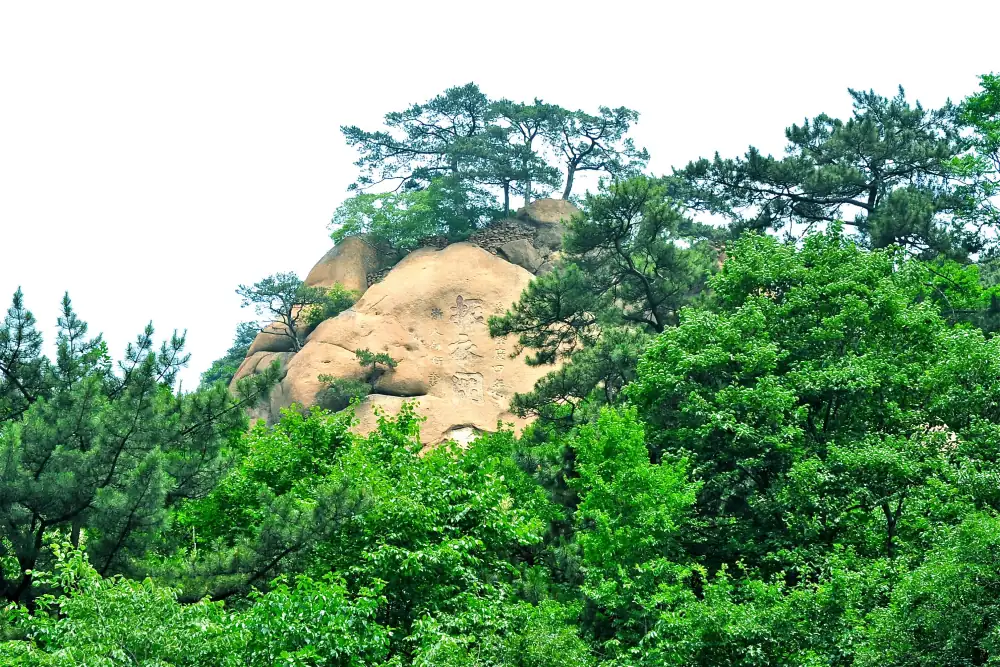
Dalian is among China’s most pleasant cities — relatively little air pollution (sea breezes clear the air), European urban planning from the Russian and Japanese concession periods, and excellent beaches.
Zhongshan Square (中山广场)
The epicentre of Dalian’s Russian-period urban design — a perfect circular plaza with ten radiating boulevards, surrounded by classically-designed bank buildings and government offices. An extraordinary urban planning set piece.
Xinghai Square (星海广场)
The world’s largest city square by area (176 hectares according to local claims), overlooking Dalian Bay. The beach below is Dalian’s most popular summer gathering spot.
Tiger Beach Ocean Park (老虎滩海洋公园)
Marine park with shows and exhibits. More notable is the dramatic cliff scenery of the Tiger Beach coastline itself — rugged basalt formations against the Bohai Sea.
Binhai Road Scenic Route (滨海路景观路线)
A scenic coastal highway running along Dalian’s rocky southern coast — dramatic cliff views, small beaches, and the famous Bang Chui Island (棒槌岛) where Mao Zedong had a summer villa.
Food: Dalian Seafood
Dalian is one of China’s premier seafood cities. Specialties:
- Sea urchin (海胆) — Dalian’s most famous product; sea urchin roe on rice is a local delicacy
- Abalone (鲍鱼) — farmed in local waters
- Snow crab (雪蟹) — seasonal (autumn-winter)
- Fresh oysters (牡蛎) — from street markets
Best seafood market: Qingniwa Market (青泥洼市场) for live seafood purchases, or the seafood restaurants along the Xinghai waterfront.
Getting Between Shenyang and Dalian
High-speed train: 1.5–2 hours, ¥100–¥150. Dalian to Harbin: 3 hours by high-speed.