
Most visitors to China who care about imperial history make a beeline for Beijing’s Forbidden City and stop there. But the Qing Dynasty — the rulers of China’s last imperial era, from 1644 to 1912 — didn’t begin in Beijing. They began here, in Shenyang, which they called Shengjing (盛京, “Prosperous Capital”). The Manchu people who founded the Qing established their first imperial capital in what is now Liaoning province, and the buildings they left are a different kind of imperial architecture: earlier, rawer, and distinctly non-Chinese in some of their design.
Understanding Shenyang means understanding something about where the Qing Dynasty came from — not the polished Sinicized rulers of the Qianlong era, but the original Manchu warrior culture that conquered China from the northeast.
Table of contents
Open Table of contents
Mukden Palace (Shenyang Imperial Palace, 沈阳故宫)
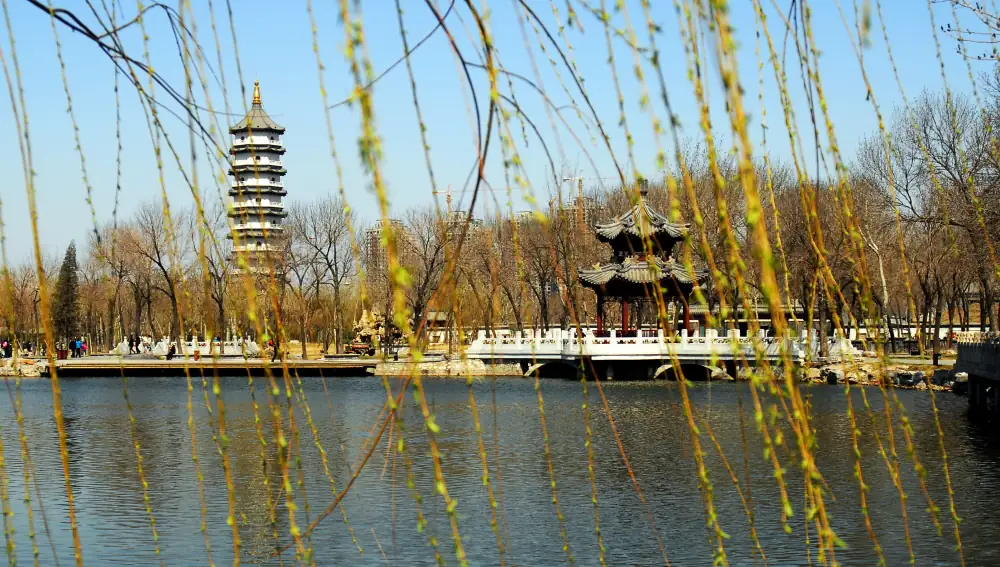
The Shenyang Imperial Palace — also known by its Manchu name, Mukden — was built between 1625 and 1636 under Nurhaci and his son Hong Taiji, the founders of the Manchu Qing state. It is a UNESCO World Heritage Site (jointly listed with the Forbidden City in Beijing as “Imperial Palaces of the Ming and Qing Dynasties”).
Opening hours: 8:30am–5:30pm (summer); 9:00am–4:30pm (winter); closed Mondays
Entry fee: ¥60 per person
Location: Central Shenyang, near Shenyang Road metro station (Line 2)
Time needed: 1.5–2.5 hours
What Makes It Different from Beijing
The Shenyang palace is about one-twelfth the size of Beijing’s Forbidden City — 60,000 square metres versus the Forbidden City’s 720,000. But what it lacks in scale it compensates for in character.
The Octagonal Hall (大政殿, Dazheng Hall): The central ceremonial hall is octagonal — an unusual form influenced by Manchu military tent architecture rather than Chinese palace convention. The eight pavilions arranged before it represent the Eight Banners, the military-administrative structure that organized Manchu society.
The architectural fusion: Early Qing palace architecture shows clear Tibetan Buddhist, Manchu, and Chinese influences in the same buildings — colourful painted beams, Tibetan-style roof ornaments alongside Han Chinese dragon motifs, and layout principles from Manchu military organization.
Less tourist pressure: The Shenyang palace receives a fraction of the Beijing Forbidden City’s visitor numbers. You can actually stand in a courtyard without crowds.
The Imperial Museums within: The palace houses several excellent museums — the palace archive museum, a display of Qing imperial weapons and armour, and collections of early Qing ritual objects.
Fuling Tomb (福陵, East Tomb)
Fuling is the mausoleum of Nurhaci, the founder of the Manchu Qing state, who died in 1626. It’s about 11km northeast of the city, in a forested park.
Opening hours: 8:00am–5:30pm
Entry fee: ¥50 per person
Getting there: Metro Line 2 to Shenyang North Station, then Bus 218 or taxi (¥20–30)
The complex follows a classic Chinese imperial tomb layout — a spirit way lined with stone animals and officials, leading to the tumulus where Nurhaci is buried. But the Manchu additions make it distinct: the Eight Banners watch towers at the corners, the Tibetan-influenced decorative elements on the buildings, and the forest setting (deliberately maintained as hunting ground, consistent with Manchu culture) give it a different character from the Ming Dynasty tombs.
The autumn foliage here (October–November) is excellent — the old trees lining the spirit way turn gold and red.
Zhaoling Tomb (昭陵, North Tomb)
Zhaoling is the tomb of Hong Taiji, who proclaimed the Qing Dynasty in 1636. It’s within the city, incorporated into Beiling Park (北陵公园) — a large public park with cherry blossoms in spring.
Opening hours: 8:00am–5:30pm
Entry fee: ¥50 per person (includes park entry)
Getting there: Metro Line 2 to Beiling Park station
Zhaoling is larger than Fuling and better preserved. The Square City (方城) enclosure containing the mausoleum buildings is well-maintained, with the tunnel entrance, the Longgen Tower (隆恩楼), and the burial mound all accessible.
Tip: In April, the park surrounding the tomb is covered in cherry blossoms — it’s one of the better cherry blossom locations in northeastern China.
The Manchu Heritage Context
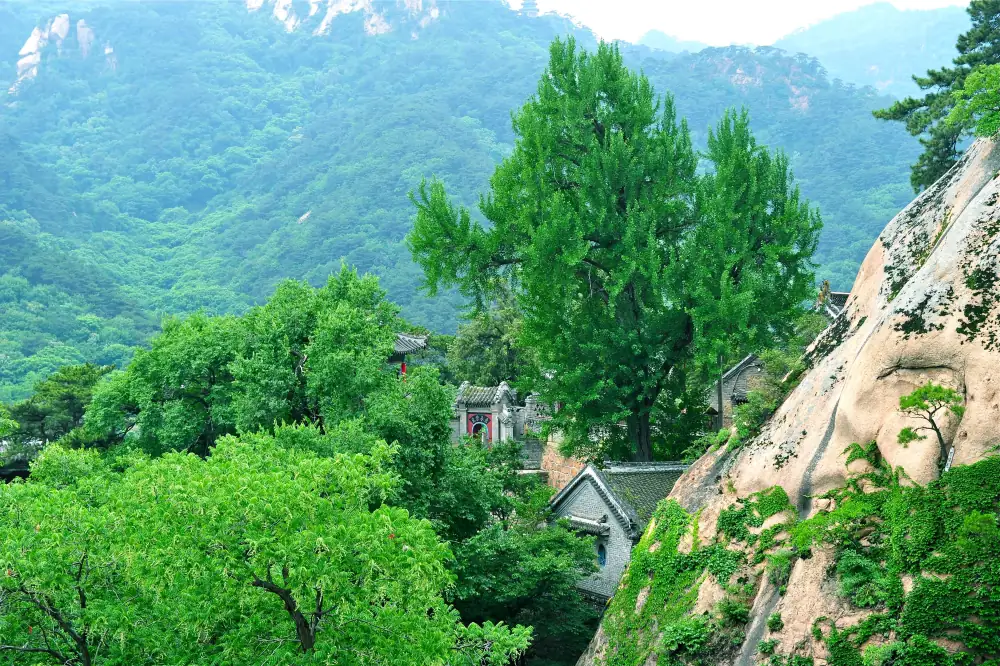
Why does it matter to visit Shenyang? Partly because the Qing Dynasty ruled China for 268 years and shaped everything from the borders of modern China (Tibet, Xinjiang, Mongolia were all incorporated under Qing expansion) to the cultural practices of the imperial court.
But also because the early Manchu buildings here show something different from the fully Sinicized Qing culture that most China visitors encounter in Beijing. The Manchu language (now nearly extinct), the distinctive armour and weapons in the palace museums, and the military-organization layout of the palace complex show a conqueror people who had their own identity before absorbing and transforming Chinese culture.
For anyone interested in how Chinese civilization has been shaped by non-Chinese peoples, Shenyang is a rewarding stop.
The 18th September History Museum (九一八历史博物馆)
For a very different kind of history, the September 18 History Museum documents the 1931 Mukden Incident — the staged explosion on the South Manchurian Railway that Japan used as a pretext to invade Manchuria, beginning 14 years of Japanese occupation.
The museum is emotionally heavy, with extensive documentation of the occupation period. It provides important context for understanding Chinese attitudes toward Japan and the history of northeastern China in the 20th century.
Opening hours: 9:00am–4:00pm, Tuesday–Sunday
Entry: Free
Location: Wanghua Road, near the site of the original explosion
Shenyang Food
Shenyang is the heart of northeastern Chinese (dongbei) cuisine — hearty, salty, and built for cold weather.
Key dishes:
- Shawarma-style spit-roasted lamb (烤羊肉): Popular street food in the Hui Muslim quarter around Shenyang’s Qingzhen Street
- Guotie (锅贴): Pan-fried dumplings, very popular for breakfast; ¥15–25 for a plate of 10
- Sour cabbage stew (酸菜炖排骨): Fermented cabbage with pork ribs; the defining winter dish of the northeast
- Spring onion flatbread (葱油饼): Flaky layers, sold at street stalls, ¥5–10
Recommended area: The Zhongjie Pedestrian Street (中街步行街) and nearby alleys have the best concentration of local food, particularly in the evening.
Getting to Shenyang
From Beijing: High-speed train, about 4 hours, ¥180–250. Or fly, about 1.5 hours.
From Dalian: High-speed train, about 1.5–2 hours, ¥90–140.
From Changchun: High-speed train, about 1–1.5 hours, ¥60–100.
From Harbin: High-speed train, about 2 hours, ¥120–170.
Shenyang has two main stations: Shenyang North Station (沈阳北站) handles most high-speed trains; Shenyang Station (沈阳站) is more central but handles slower trains.
How Long to Spend
1 day: Mukden Palace + Zhaoling Tomb, with a walk through central Shenyang for food
2 days: Add Fuling Tomb, September 18 Museum, and more leisure time
Shenyang is a comfortable transit hub for moving between Harbin, Dalian, and Beijing — a one or two-day stop makes sense when building a northeastern China itinerary.