
Shenyang Imperial Palace: Where the Qing Dynasty Began
In 1625, the Manchu leader Nurhaci moved his court to the city then called Mukden (today’s Shenyang) and began construction of an imperial palace complex on the Manchurian steppe. His son Hong Taiji continued the construction and in 1636 proclaimed the Qing dynasty from this court. Eight years later, in 1644, the Qing armies entered Beijing and the court moved south — but the Shenyang palace was maintained as the dynasty’s ancestral home throughout the Qing period.
The result is the Shenyang Imperial Palace (沈阳故宫, Shěnyáng Gùgōng) — a 70,000 square metre complex of 114 buildings that is simultaneously a smaller version of the Beijing Forbidden City and something entirely different: a court that reflects Manchu cultural identity before the dynasty adopted Han Chinese court aesthetics wholesale.
Architecture: Manchu Meets Chinese
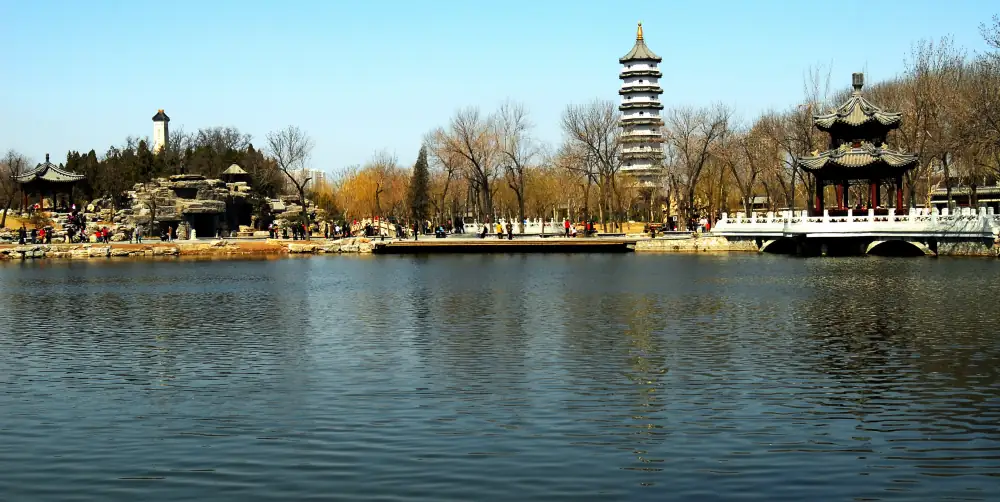
The Shenyang palace complex is divided into three sections built in different periods, reflecting the architectural evolution from Manchu to Sino-Manchu to fully sinicised court style.
Eastern Section: The Dazheng Hall Complex
The oldest part of the palace, built under Nurhaci before 1626. The Dazheng Hall (大政殿) is an octagonal wooden pavilion — a form derived from the Manchu ceremonial tent (ger) rather than the rectangular Chinese palace hall. Its eight-column porch, dragon pillars, and multi-tiered roof use Han Chinese decorative vocabulary for a fundamentally non-Chinese architectural form.
Surrounding the Dazheng Hall in a U-shape are Ten Prince Pavilions (十王亭) — individual buildings for each of the Eight Banners’ two senior leaders, a physical expression of the early Qing’s collective leadership structure (which the dynasty later dismantled in favour of centralised imperial control).
This section of the palace has no direct parallel in Beijing; it is the Manchu original.
Central Section: The Main Ceremonial Core
Built under Hong Taiji (1626–1643), this is the section that most closely resembles the Beijing Forbidden City — a south-north axis of ceremonial halls (Chongzheng Hall, Phoenix Tower, Qingning Palace) in classical Han palace style. But the details reveal Manchu identity: the Qingning Palace was the imperial family’s living quarters, and it retains a distinctive Manchu interior layout with a large cooking hearth (for the ancestral sacrifice tradition) and low sleeping platforms (kang) rather than beds.
Western Section: Qing Emperor Additions
Added during Qianlong’s reign (18th century) when the emperor visited Shenyang and expanded the complex with a library and opera stage. This section is in the fully sinicised Qing court style identical to Beijing.
Key Highlights
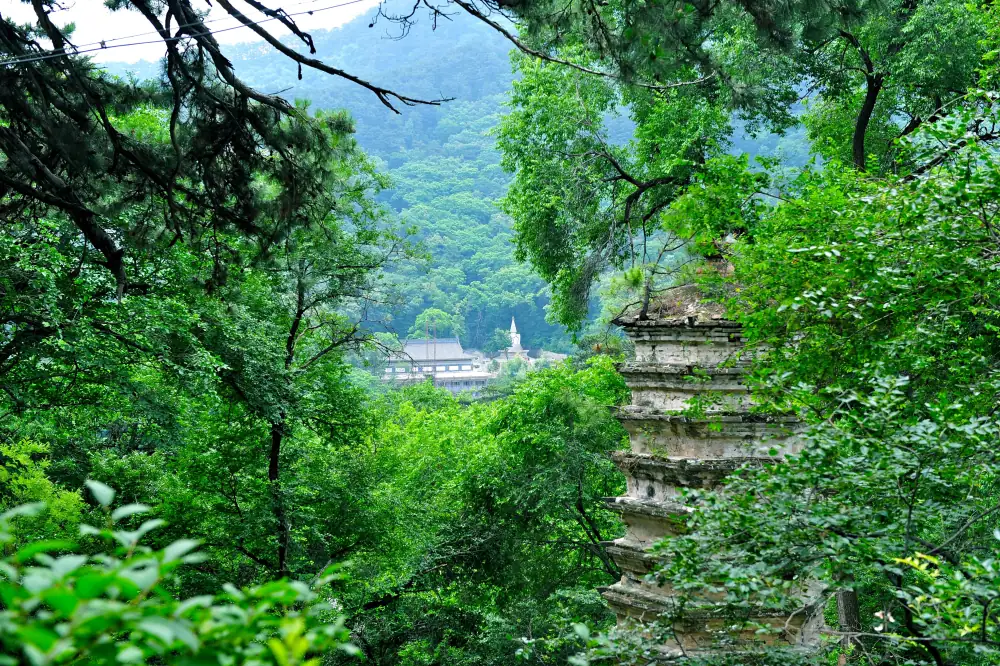
Dazheng Hall: The essential Shenyang experience — an octagonal pavilion that makes clear how different the Manchu aesthetic was from the Han palace tradition.
Bronze Incense Burner Court (大政殿前广场): The large courtyard in front of the Dazheng Hall, where Banner troops assembled for court ceremonies; the spatial experience of this court, with its ring of individual prince pavilions, is unique in Chinese palatial architecture.
Imperial Treasures Collection: The palace museum holds collections of Manchu armour, saddles, weapons, and clan genealogy documents — more relevant to understanding Qing origins than the better-known collections in Beijing.
Practical Information
Location: Central Shenyang; 10 minutes from Shenyang Station by metro (Line 1 to Shenyang Palace stop). Admission: ¥60. Hours: 8:30–17:30 (summer); 9:00–16:30 (winter). Time needed: 2–3 hours. Best combined with: The Qing Imperial Tombs (Fuling and Zhaoling) outside Shenyang, which are UNESCO-listed and contain the tombs of Nurhaci and Hong Taiji respectively.
Shenyang as a Destination
Shenyang is Northeast China’s largest city and has a remarkable 20th-century history as the industrial heartland of Manchukuo under Japanese occupation. The Zhang Zuolin and Zhang Xueliang Mansion (张氏帅府) — the residence of the warlords who controlled Manchuria before the Japanese takeover — is one of China’s best-preserved Republican-era aristocratic residences, combining Chinese, Japanese, and European architectural styles.
The Shenyang palace is where the Qing dynasty decided what it was going to be — and its eastern section, with those octagonal halls and ring of prince pavilions, shows the version of itself it had before deciding to become Chinese.