
Shenyang Imperial Palace — the pre-Beijing Qing Dynasty capital, a UNESCO World Heritage Site with unique Manchu architectural traditions
Liaoning and Jilin provinces hold two culturally distinct experiences that rarely appear in standard China itineraries: Shenyang’s extraordinary Manchu imperial heritage that predates and parallels the Beijing Qing Dynasty; and the Korean cultural landscape of Yanbian, China’s Korean autonomous prefecture on the North Korean border — including Hunchun, Jilin, the tri-border city where you can stand in China and look into Russia and North Korea.
Table of contents
Open Table of contents
Shenyang: The Other Imperial City
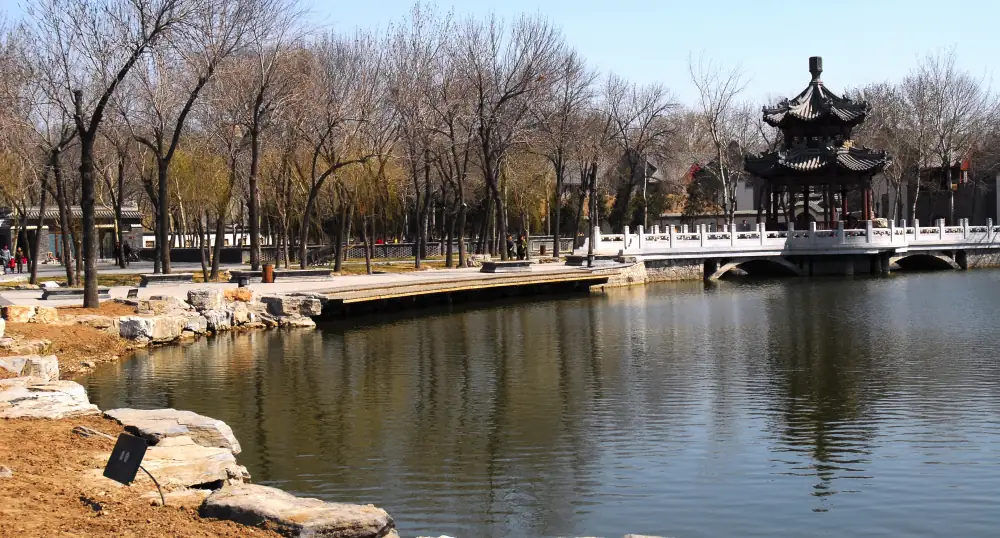
Shenyang (沈阳, formerly Mukden) was the original capital of the Manchu Qing Dynasty before Beijing. The Manchu leader Nurhaci (努尔哈赤) established it as his capital in 1625; his successors built the palace complex that preceded the Forbidden City.
Shenyang Imperial Palace (沈阳故宫)
The only imperial palace complex in China outside Beijing — a UNESCO World Heritage Site (listed alongside the Beijing Forbidden City). Smaller than its Beijing counterpart but architecturally distinct: a hybrid of Han Chinese, Manchu, and Mongolian architectural traditions that predates the Beijing palace by 20 years.
The Dazheng Hall (大政殿): An octagonal ceremonial hall used by the early Qing emperors for major state ceremonies — the most unusual imperial hall in China, with a distinctive shape that reflects Manchu architectural origins rather than Han conventions.
The Ten Kings Pavilion (十王亭): Ten pavilions flanking the central avenue where the eight Manchu Banner military commands and two administrative offices met — a unique expression of the pre-conquest Manchu political structure. Nothing like this exists in the Beijing Forbidden City.
Ticket: ¥60. Open daily 8:30 AM – 5:30 PM.
Fuling Tomb — the hilltop resting place of Nurhaci, founder of the Qing Dynasty, in the forested eastern suburbs of Shenyang
The Qing Dynasty Imperial Tombs
Three tombs near Shenyang are jointly UNESCO-listed with the Eastern Qing Tombs near Beijing:
- Fuling (福陵, East Tomb): Tomb of Nurhaci — on a hilltop in the eastern suburbs, reached by 108 steps through forested mountain landscape
- Zhaoling (昭陵, North Tomb): Tomb of Nurhaci’s son Huang Taiji — surrounded by a 4 km wall and extensive park; the most visited
Both are free with Shenyang tourism cards or ¥50–80 entry.
Yanbian Korean Autonomous Prefecture (延边朝鲜族自治州)
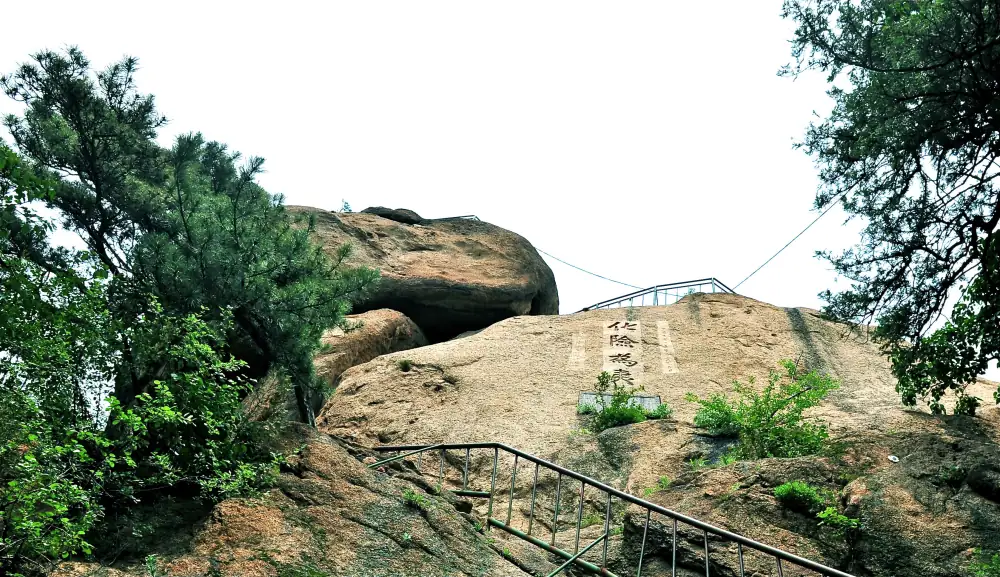
Changbai Mountain Tianchi — the world’s highest volcanic crater lake on the China-North Korea border, 13 km in circumference
In the southeastern corner of Jilin Province, bordering North Korea across the Tumen River — the Yanbian prefecture is home to approximately 700,000 ethnic Koreans (조선족, Joseonjok), creating a landscape where Korean and Chinese cultures coexist in unique ways.
Yanji (延吉): The Korean-Chinese Capital
The prefecture capital looks and feels like a Korean-Chinese hybrid city: Korean-language shop signs alongside Mandarin, Korean restaurants interspersed with Chinese eateries, Korean pop music in cafés. Yet it’s thoroughly a Chinese city administratively and commercially.
Korean BBQ (朝鲜族烤肉): The Yanbian version differs from both South Korean and mainstream Chinese BBQ — smaller cuts of pork and beef, specific marinades using Yanbian-produced doenjang (soybean paste) and gochujang variants, served with Korean-style banchan (small side dishes). The quality is outstanding and the price is Chinese rather than Korean.
Yanbian rice (延边大米): The volcanic soil and clean mountain water of the Yanbian basin produces short-grain rice considered among the finest in China — comparable to premium Japanese rice. Available in markets throughout the prefecture.
Changbai Mountain (长白山)
The extinct volcano on the China-North Korea border — and the most important natural attraction in the northeast. The Tianchi crater lake at 2,190m altitude is a perfectly circular caldera lake 13 km in circumference, the highest volcanic lake in the world.
Access: The standard route ascends the north slope by 4WD vehicle + walk. The south slope (from Yanbian) is less crowded. Tianchi is often cloud-covered; allow at least 2 days for a good chance of clear views.
Ticket: ¥185 (peak season). Getting there: buses or tours from Yanji (2 hrs) or Baihe (白河) town.
The Tumen River Border
From lookout points near Tumen City (图们) and Hunchun (珲春), North Korean territory is visible across the narrow Tumen River. The contrast is stark — the North Korean side is largely unlit, unbuilt riverbank; the Chinese side is modern commercial development.
Hunchun (珲春): The China–Russia–North Korea Tri-Border City
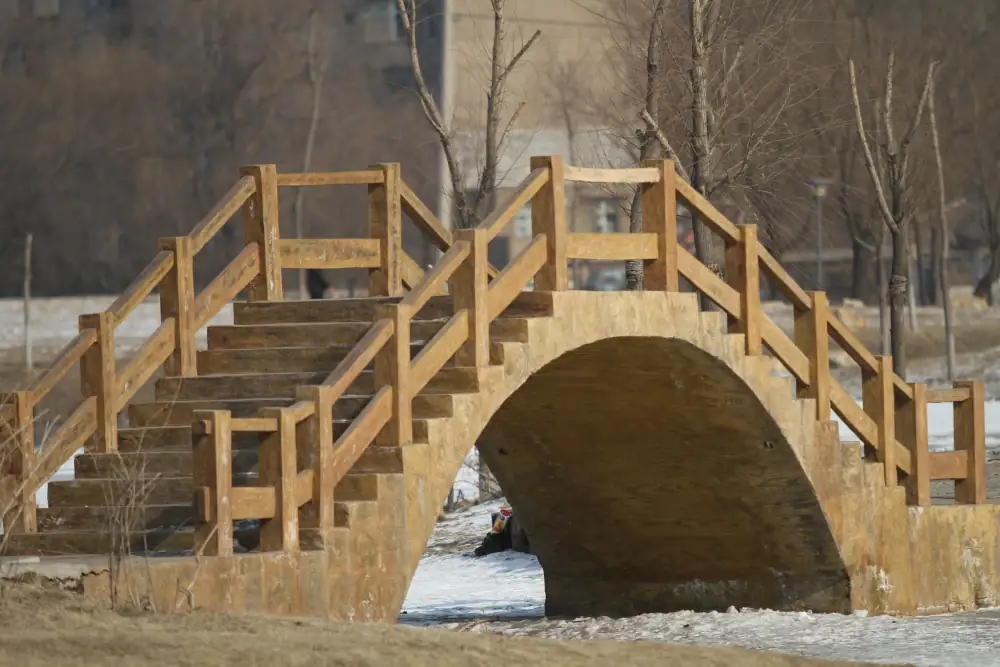
Hunchun is the trilateral border city where China, Russia, and North Korea meet — a unique geopolitical position. The Russian port of Vladivostok is 170 km away, and Russia’s Pacific trade access through this corridor runs through Hunchun.
Fangchuan (防川) tri-border viewpoint: About 70 km southeast of Hunchun city, the Fangchuan scenic area sits at the narrow fingertip of Chinese territory between Russia and North Korea along the Tumen River. From the observation tower you can see all three countries at once — North Korea across the river, Russian hills to the north, and on clear days the Sea of Japan about 15 km away. Entry is around ¥70–80 including the shuttle bus.
Getting to Hunchun: High-speed trains from Yanji take about 40 minutes; from Changchun about 3 hours. Buses from Hunchun to Fangchuan take around 1.5 hours — most visitors hire a taxi or join a day tour.
Practical Tips
Getting to Shenyang: Shenyang Taoxian Airport (SHE) — well-connected; high-speed rail hub for northeast China.
Getting to Yanji/Yanbian: Yanji Chaoyangchuan Airport (YNJ) with flights from Beijing, Shanghai, and Seoul. High-speed rail from Yanji to Changchun (2.5 hrs), Harbin (3 hrs).
Korean language: In Yanbian, Korean is an official language alongside Mandarin — road signs, government buildings, and most commercial signage are bilingual. Some older residents speak Korean as a first language.
Last updated: July 2026