
Dalian: Northeast China’s Coastal Gem
Most visitors to northeast China focus on Harbin’s ice festivals or Shenyang’s historical connections. Dalian (大连) — the peninsula city at the southern tip of Liaoning Province — is different in character from the rest of the northeast: warmer, more relaxed, genuinely beautiful, and possessed of a beach and seafood culture that makes it a destination in its own right rather than just a transit point for deeper northeast exploration.
The city sits on a peninsula at the meeting of the Yellow Sea and Bohai Sea, giving it a maritime climate significantly milder than inland northeast China. Its European squares, Russian Orthodox churches, and Japanese-era administrative buildings create an architectural palimpsest of its unusual colonial history — a city occupied successively by Russia (1898–1905) and Japan (1905–1945) before returning to China.
Understanding Dalian’s History
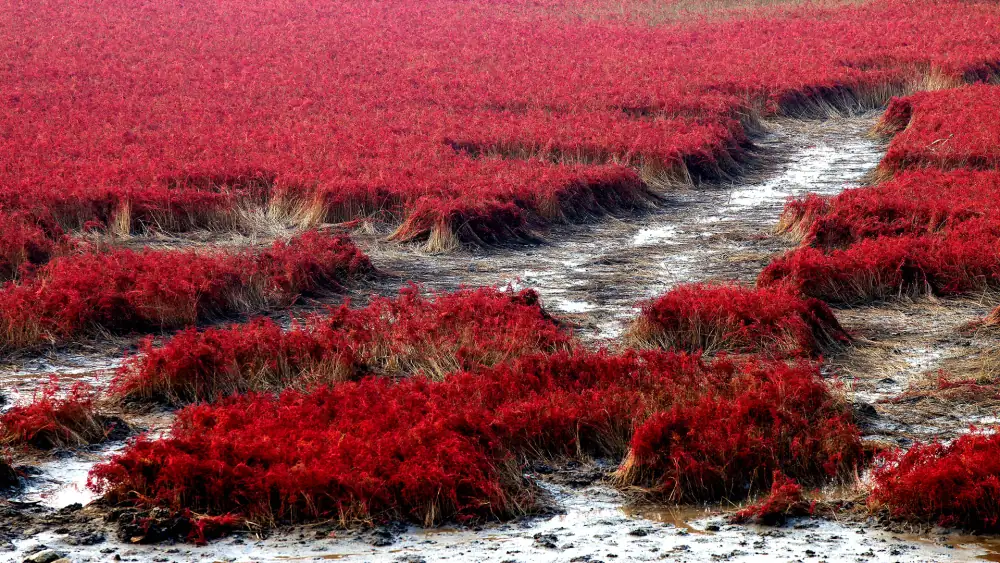
Dalian’s current form was largely created by Russian and Japanese colonial planners following the logic of European city design rather than Chinese traditional urbanism.
The Russians (1898–1905) laid out a city centre of radial boulevards meeting in circular squares — a direct export of Paris/St. Petersburg urban planning philosophy. The main Russian legacy is the Zhongshan Square — seven wide boulevards radiating from a central circle, flanked by the grandiose neoclassical buildings that now house banks and government offices.
The Japanese (1905–1945) expanded the city systematically, adding the port facilities, railways, and residential districts that gave Dalian its current scale. Japanese-era buildings are concentrated in the area around Nanshan Hill (南山) — small courtyard houses with Japanese aesthetic influences, now converted to restaurants and cafes.
Both colonial layers sit beneath a Chinese administrative structure added after 1945, creating a city that belongs architecturally to no single tradition.
The Beaches

Dalian has approximately 28 beaches along its peninsula coastline, ranging from urban public beaches to remote natural stretches.
Xinghai Bay (星海湾)
The most popular and best-equipped beach — a wide arc of grey sand (the sand on northern Chinese beaches is rarely white) backed by the Xinghai Square (星海广场), one of the largest public squares in Asia. The beach is cleaned and patrolled in summer; swimming areas are delineated; food vendors and rental equipment (umbrellas, paddleboards, kayaks) are available.
Best time: July and August for warm water (peak 24–26°C); June and September for fewer crowds with acceptable temperatures.
Bangchui Island (棒槌岛)
A small island connected to the mainland by causeway, Bangchui Island has several coves with the most scenic beach settings in the Dalian area. The island also has a state guesthouse that historically hosted senior government officials — the carefully maintained grounds and beach access are noticeably better quality than public beaches.
Jinshitan Golden Pebble Beach (金石滩金石滩)
60 km northeast of central Dalian, the Golden Pebble Beach area is known for its unusual geological heritage — a national geopark featuring strange rock formations in the coastal cliffs, ranging from mushroom-shaped erosion pillars to naturally carved arches. The beach itself is good; the geology is exceptional.
A Jurassic Land theme park and resort complex have been added to the area (controversial in terms of their visual impact but popular with families).
Seafood in Dalian
Dalian sits at the meeting of two seas, at the same latitude as the North Sea or New England, and its seafood is exceptional. The combination of cold, clean water and rich upwelling nutrients produces shellfish, sea urchin, sea cucumber, and flatfish of excellent quality.
What to Order
Sea Urchin (海胆, hǎidǎn): Dalian produces the majority of China’s sea urchin harvest; the local Strongylocentrotus intermedius species is sweeter and less intensely flavoured than Japanese varieties. Eaten raw with a small spoon directly from the shell; price ¥15–¥40 per piece depending on size and season.
Sea Cucumber (海参, hǎishēn): The premium ingredient of Dalian — sea cucumber farming is a major industry in the surrounding waters. Fresh sea cucumber (the live variety, rather than dried) is available at a fraction of the price charged in other Chinese cities.
Abalone (鲍鱼, bàoyú): Smaller and more affordable than the premium varieties from Fujian; Dalian abalone is often braised in soy and oyster sauce.
Yellow Croaker (黄花鱼): A flatfish with delicate white flesh; best prepared simply steamed with ginger and spring onion.
King Crab (帝王蟹, rare but available): Some Dalian seafood markets import large Alaskan king crabs for the winter season; cheaper here than in Beijing or Shanghai.
Where to Eat
Qingniwa Seafood Street (青泥洼桥海鲜市场): The original seafood street near the city centre; a mix of wholesale and retail vendors with adjacent restaurants that will cook your purchases.
Satellite Square Seafood Restaurants (星海广场周边): Several larger restaurants around Xinghai Bay specialise in fresh seafood set menus (¥150–¥350/person) with live seafood selection.
Morning Market (早市): Dalian’s morning markets — particularly at the intersection near the Russian district — have live seafood vendors from 5:00 AM selling directly from overnight fishing boats. The prices are lowest here and the variety greatest.
The Russian Quarter and City Squares
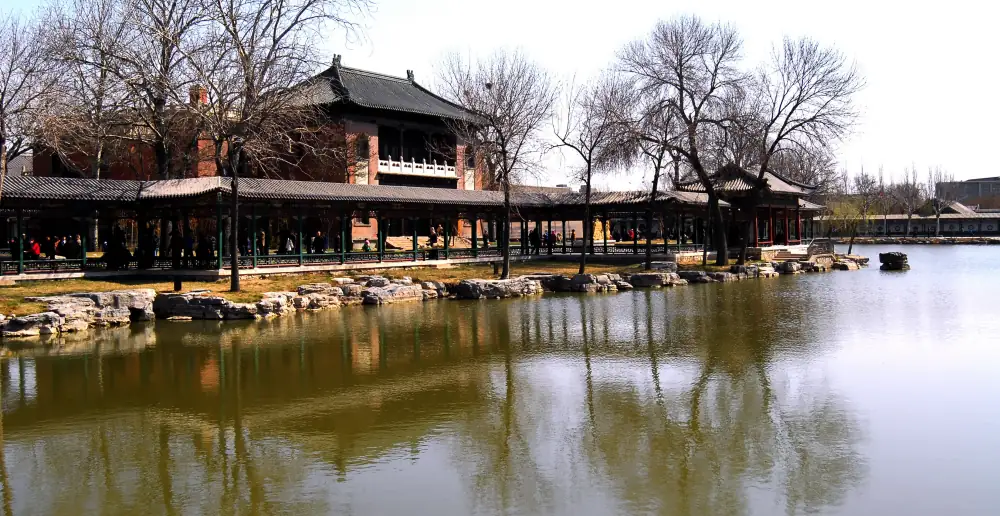
The Zhongshan Square area and the streets radiating from it constitute Dalian’s most architecturally distinctive district. Walking the radial boulevards in the early morning, when the neoclassical façades catch low-angle light, is one of the more unexpectedly beautiful urban walks in northeast China.
The Russian Orthodox Church of St. Nicholas (圣尼古拉教堂) in the central district is a carefully restored example of Tsarist-era church architecture — small, onion-domed, and operating as a restaurant interior, which is slightly disconcerting but allows access to the architectural interior.
Practical Information
Getting There
By Air: Dalian Zhoushuizi International Airport (DLC) has direct flights from major Chinese cities and international connections to Seoul, Tokyo, and regional Asian destinations. By Ferry: Passenger ferries connect Dalian to Yantai (5 hours) and Tianjin (12 hours) across the Bohai Sea. By Train: High-speed rail connects Dalian to Shenyang (1.5 hours), Beijing (4 hours via Shenyang), and other major cities.
When to Go
July–August: Beach season; warmest water; school holiday crowds. September–October: Ideal — warm days, cool evenings; seafood at peak quality; manageable crowds. May–June: Growing season; reasonable weather; good for sightseeing without beach focus. Winter (November–March): Cold but not extreme (rarely below -10°C); seafood excellent; the city operates at a slower pace; some beach infrastructure closed.
Dalian is a city that demonstrates how thoroughly history shapes urban character — the European planning grid, the Russian Orthodox church, the Japanese mountain villas, and the Chinese fishing culture have all contributed to something that doesn’t quite fit any of its component parts. That distinctiveness is precisely its appeal.