
Table of contents
Open Table of contents
Understanding Dalian’s History
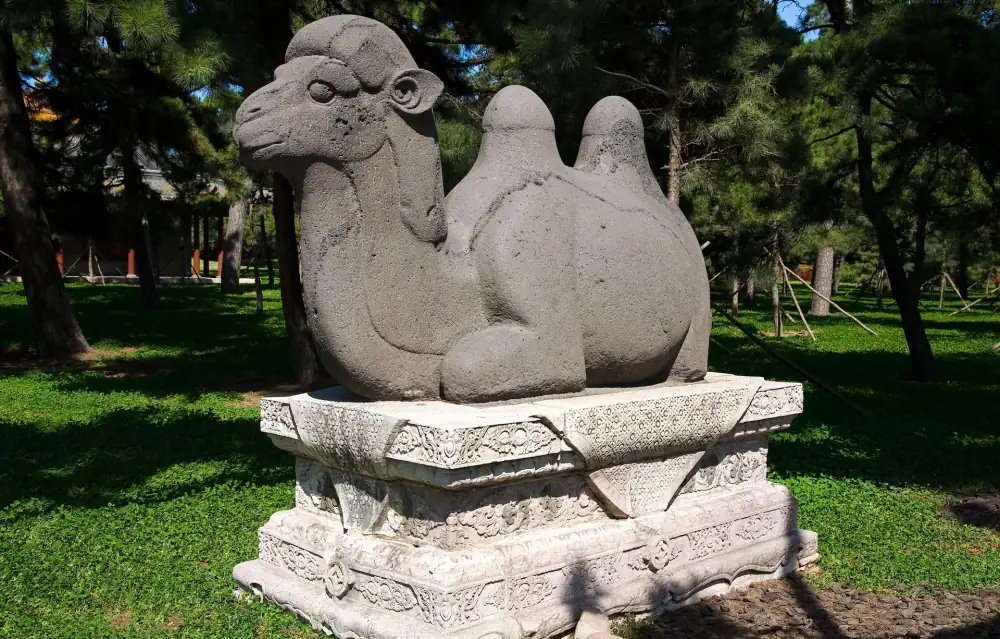
Dalian’s modern form was largely created during two colonial periods:
Russian period (1898–1905): After forcing the Qing Dynasty to lease the Liaodong Peninsula, Russia built the city of Dalny (the Russian name for Dalian) with a distinctive circular-square urban plan. The main squares still bear traces of this Russian Beaux-Arts urban design tradition.
Japanese period (1905–1945): After defeating Russia in the Russo-Japanese War, Japan took over the lease and developed the city more extensively, renaming it Dairen. Japanese colonial architecture added another layer — government buildings, banks, and residential neighborhoods that still shape the city fabric.
This double-colonial history gives Dalian a street presence unlike any other Chinese city — circular roundabout squares with European statuary, stone buildings in French and German styles, and the visible ambition of two powers that saw this as their Asian showcase.
Key Neighborhoods and Attractions
Zhongshan Square (中山广场) and the Colonial Center
The heart of Dalian’s colonial-era urban design is Zhongshan Square — a massive circular plaza about 200m in diameter, with 10 boulevards radiating outward. The buildings ringing the square are almost all Japanese colonial-era financial institutions from the early 20th century: the Bank of China building, former Yokohama Specie Bank, and others — stately stone-clad structures with European detailing.
Walking one circuit around the square takes about 20 minutes and is a strange exercise in time and geography — a piece of early 20th century European ambition, transplanted to northeastern China and largely intact.
Best time to visit: Early morning or weekday afternoon when traffic is lighter. The square is best photographed from the upper floors of surrounding buildings.
Zhongshan Road (中山路) and Russian Street (俄罗斯风情街)
Russian Street is a partly reconstructed and partly genuine collection of early 20th century Russian-era buildings in the Changshan area of the city. Some have been converted to Russian restaurants, souvenir shops, and cultural spaces. More interesting as architecture than as a genuine cultural experience, but the Russian-style buildings are photogenic and unusual.
The broader Zhongshan Road area has genuine early 20th century street architecture — stone commercial buildings, arcaded pedestrian sections, and the occasional building that predates the Japanese period entirely.
Lvshunkou (旅顺口) — Port Arthur
About 40km south of central Dalian, Lvshunkou (also known by its historical English name, Port Arthur) was the strategic naval base at the heart of the Russo-Japanese conflict. The area has preserved Russian and Japanese military sites:
- Russian artillery emplacements on the hills: Preserved cannons and fortification walls overlooking the harbor
- Japanese Russo-Japanese War Museum: Documents the siege and battle that shaped early 20th century Asian geopolitics
- 203 Hill (203高地): The strategic hill that cost tens of thousands of lives to capture in 1904. Walking to the summit gives views of the harbor and a real sense of the military geography.
Entry to Lvshunkou requires a permit for foreign visitors (a historical security designation from the military port era). As of 2026, foreigners can obtain permits at the Lvshunkou tourism bureau office. Check current requirements before visiting.
Getting there: Bus 701 from Dalian or a DiDi taxi (¥70–90 one way).
Beaches
Dalian has the best urban beach access of any city in northern China. The Liaodong Peninsula’s geography means both Yellow Sea and Bohai Sea coastline are accessible.
Bangchui Island (棒棰岛)
The most famous beach near the city center — a state guesthouse-and-park complex with a good sandy beach. Swimming area is safe and maintained. Entry fee: ¥70 (includes beach access and the island park). Best in July–August.
Fujiazhuang Beach (付家庄海水浴场)
A large, free public beach about 20km from the city center. Facilities include changing rooms, food vendors, and lifeguards in summer season. The beach itself is long and sandy with views of the fishing islands offshore.
Xinghai Square (星海广场) and Beach
The enormous Xinghai Square (at 4.4km², one of the world’s largest public squares) fronts a beach area on the southern coast. More of an urban spectacle than a swimming beach but pleasant for walks. The square has a giant foot map of China and various monuments.
Dalian Coastal Road (滨海路)
The scenic coastal road running south from the city center along the peninsula’s western side has numerous small beach coves and viewpoints. Renting a bicycle or electric scooter for a coastal ride is one of the best Dalian activities.
Seafood in Dalian
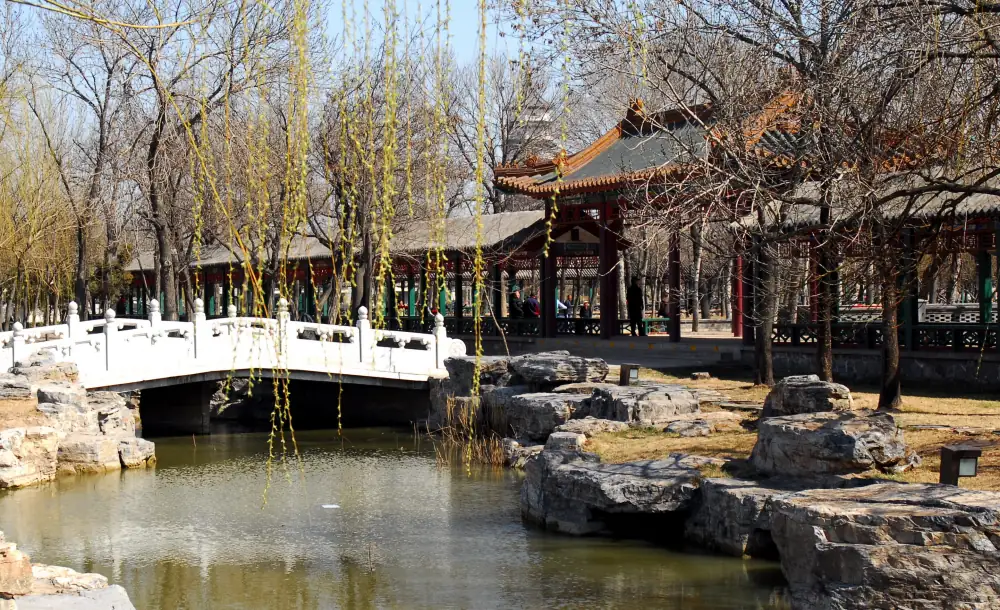
Dalian’s seafood comes from cold, clean waters and has a reputation for quality throughout China. The cold Yellow Sea produces naturally sweet and clean-tasting shellfish.
Essential Seafood
Sea Urchin (海胆): The Dalian sea urchin (especially the northern sea urchin, 北海道刺参 style) is considered China’s finest. Eaten raw with a touch of soy sauce, or as a sea urchin rice bowl (海胆饭). Best at dedicated seafood restaurants near the harbor. Fresh sea urchin: ¥80–180 per portion depending on variety and season.
Scallops (扇贝): Dalian is China’s largest scallop producer. Fresh scallops grilled with garlic and vermicelli noodles (蒜蓉粉丝扇贝) are a local institution. ¥8–15 per scallop at seafood restaurants or food stalls.
Abalone (鲍鱼): Dalian abalone is a premium ingredient. Small abalone cooked in different styles from ¥30–50 per piece.
Dungeness-style crab (面包蟹/黄道蟹): Different from the hairy crabs of Shanghai and Suzhou — the Dalian Bay crab (花盖蟹) is a large, meaty crab caught in autumn (September–November). A full crab: ¥80–160 depending on size.
Sea cucumber (海参): Dalian’s sea cucumbers are the premium variety for Chinese traditional medicine. Expensive but considered a delicacy. Braised sea cucumber with green onion (葱烧海参) is a classic Shandong/Liaoning dish. ¥100–300 per serving.
Where to Eat
Dalian Seafood Market (大连海鲜市场) near the fishing port (渔港): Buy fresh seafood at market price, pay a small cooking fee (加工费, ¥10–20) for the adjacent restaurants to prepare it. This “buy and cook” model gives maximum freshness at good prices.
Qingniwa Bridge area (青泥洼桥): The main commercial dining area with many seafood restaurants at tourist-friendly prices.
Xinghai area restaurants: Slightly higher quality and prices near the scenic beach area.
Day Trips from Dalian
Lushun (Port Arthur) — (see above)
Golden Stone Beach (金石滩)
A national geological park about 60km east of Dalian featuring strange Ordovician-era rock formations on the coast. The rocks have been dramatically eroded into natural sculptures. The area also has a theme park (Jinshitan Discovery Kingdom) if traveling with children. Bus or DiDi from Dalian takes 1.5 hours.
Bingyu Valley (冰峪沟)
A granite gorge national park about 250km from Dalian, accessible as an overnight trip. Spectacular rocky valley hiking.
Getting to Dalian
By Air: Dalian Zhoushuizi International Airport (DLC) has direct flights from all major Chinese cities. From Beijing: 1.5 hours; from Shanghai: 1.5 hours; from Chengdu: 2.5 hours.
By High-Speed Train:
- From Beijing South: About 3.5 hours (via Harbin Dalian HSR), ¥240–380
- From Shenyang: 1.5 hours, ¥120–160
By Boat: An overnight ferry from Yantai or Weihai in Shandong Province to Dalian (6–8 hours) is a classic Bohai Sea crossing. Good for combining with Shandong touring.
Getting Around Dalian
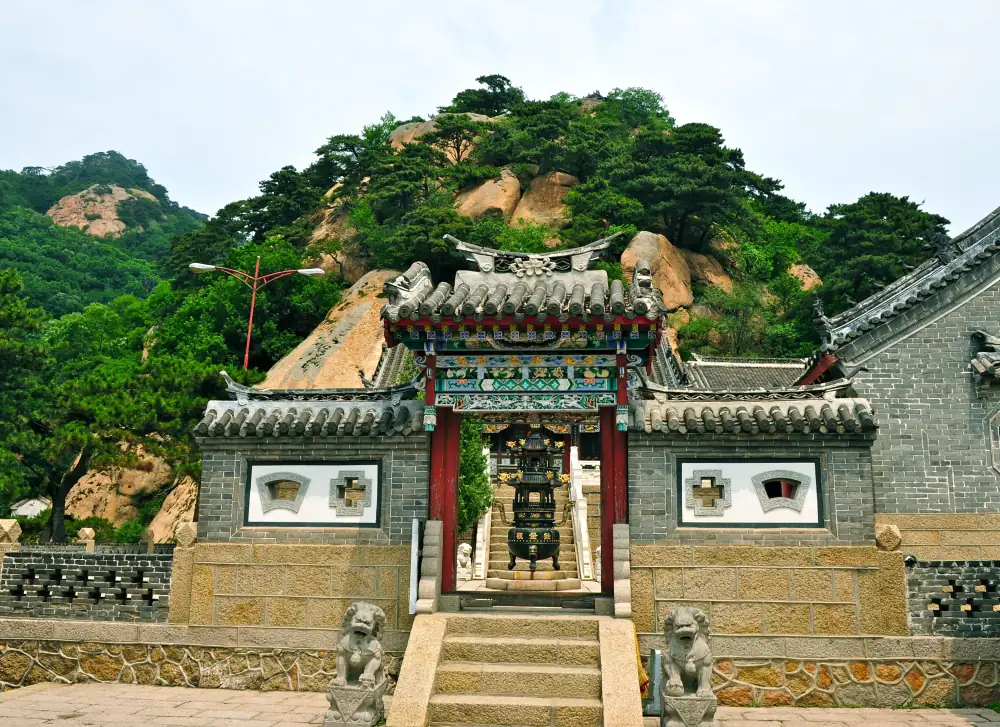
Dalian’s metro has 5 lines covering the main urban area. The famous Dalian Tram (路面电车) still operates on several routes through the old city — an anachronistic pleasure.
Taxi base fare: ¥10. DiDi widely available.
Cycling: The coastal road and beach areas are excellent cycling territory. Several rental shops near the beach areas.
Where to Stay
Budget (¥100–200/night): Multiple options near Zhongshan Square and the train station.
Mid-range (¥250–450/night):
- Shangri-La Hotel Dalian: Excellent location and service, from ¥450/night
- Dalian Hilton: Premium business hotel, from ¥400/night
Best area to stay: The Zhongshan Road/Zhongshan Square area puts you within walking distance of the colonial architecture and central city, with metro access to beaches.
Best Time to Visit
Summer (July–August): Beach season peak. Dalian is significantly cooler than Beijing or Shanghai in summer — a major attraction for Chinese domestic tourists. Accommodation prices peak.
Spring (May–June): Good weather, acacia trees in bloom (Dalian’s famous huai hua, 槐花, perfume the city in May). Less crowded.
Autumn (September–October): Best seafood season (crab season peaks in October). Comfortable temperatures, clear skies.
Winter (November–March): Cold (temperatures can hit -10°C) but Dalian winters are milder than Beijing or Harbin. Some attractions reduce hours; beach activities impossible. But very quiet and accommodation prices are at their lowest.
Dalian makes the case that northeastern China has more to offer than its reputation suggests. A city that refused to be industrial, that maintained its European-flavored streets, and that built its identity around the cold clear sea — it’s genuinely distinctive in a country where distinctive is hard to find.