
Table of contents
Open Table of contents
Xingcheng Ancient City (兴城古城)
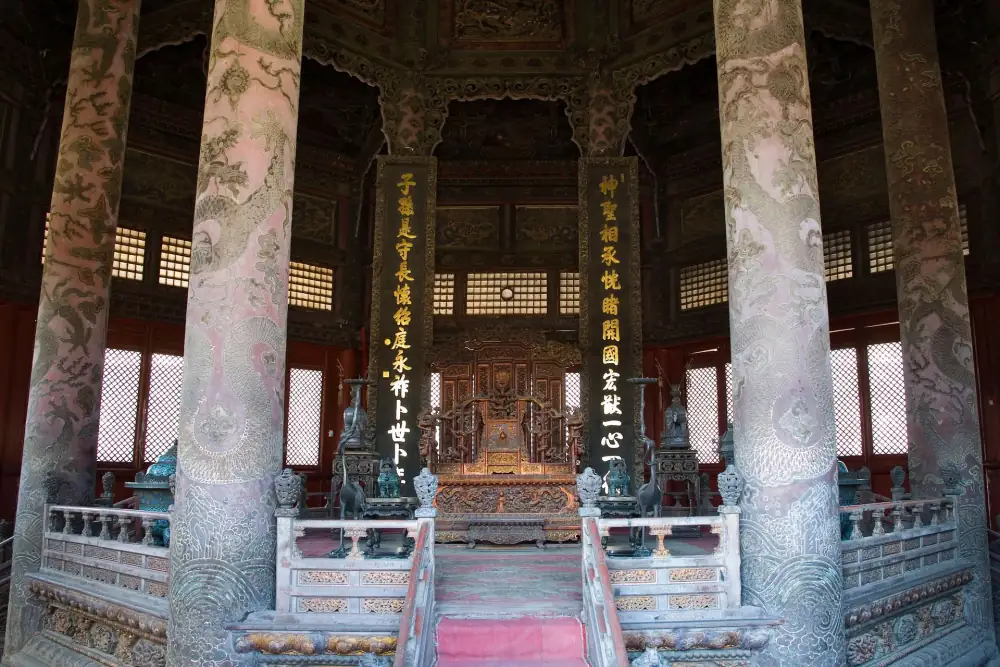
The City Walls
Built in 1428 during the early Ming Dynasty, Xingcheng’s city walls are the only substantially complete Ming-period walled city in China outside of Xi’an and Beijing. The walls are 2.7 km in circumference and stand about 10 metres high, with four gates, 24 towers and a surrounding moat that has been partially restored.
Walking the top of the wall circuit takes about 1.5 hours at a leisurely pace. The views inward over the traditional courtyard houses of the city and outward over the modern town are excellent. The stone and brick construction shows the engineering sophistication of early Ming military architecture.
Tickets: ¥60 ($8). Open daily 07:30–18:00.
The Old City Interior
Within the walls, the original grid layout has been largely preserved. The main commercial street runs north-south through the city, lined with restored Qing-era shop fronts selling traditional crafts, snacks and antiques. The atmosphere on weekdays is genuinely that of a living small town rather than a theme park — local residents go about daily business within the walls.
Key sites inside the walls:
- Zuojia Temple (祖大寿祠): Memorial hall for Zu Dashou, the Ming general who defended Xingcheng during the 1622 siege by Nurhachi’s forces. The siege and Zu Dashou’s subsequent complex relationship with the Qing is one of Ming history’s most dramatic episodes.
- Confucian Temple (文庙): Typical Ming-period Confucian academy; well-preserved.
- Ancient City Museum: Historical exhibits covering the Ming-Qing transitional period; good for understanding the strategic importance of this defensive city.
The Siege of Ningyuan (宁远大战 Historical Context)
Xingcheng was originally called Ningyuan, and in 1626 the Ming general Yuan Chonghuan defended the city against the forces of Nurhachi (founder of the Qing Dynasty) with the new technology of Portuguese-style cannon. Nurhachi was seriously wounded in the battle and died shortly afterward. This was one of the rare Ming defensive victories in the long northeastern campaign.
Understanding this history — available through the museum and through some readable secondary sources — adds enormous depth to the experience of walking the walls.
Jiufeng Mountain (九顶山)
About 30 km northeast of Xingcheng, Jiufeng Mountain (Nine-Peak Mountain) is the main natural attraction in the Huludao area. The summit ridge at 1,234m offers panoramic views over the Bohai coast and inland toward the mountains of western Liaoning. The hiking trail to the summit is well-marked and takes 3–4 hours round trip.
The forested slopes host a variety of wildlife including wild boar, roe deer and numerous bird species. Spring and autumn are the best seasons; the autumn colour (October) is outstanding.
Getting there: Taxi or arranged car from Xingcheng; approximately ¥60–¥80 one way.
Huludao Bohai Coast and Beaches
The Huludao coastline stretches for over 200 km along the Bohai Sea. The main beach areas are near Huludao city centre, offering:
- Huludao Beach: The main city beach, accessible and clean; popular with families from Shenyang in summer
- Xingcheng Beach: 2–3 km of sandy beach adjacent to the ancient city walls; the combination of ancient ramparts and open sea views is distinctive
- Pengluodao Scenic Area (葫芦岛彭罗岛): Small island accessible by ferry; quieter waters and cleaner sand
Sea bathing season: July–September. Water temperatures reach 24–26°C at peak.
Huludao Seafood
Huludao’s position on the Bohai coast gives it access to excellent seafood — the Bohai is notably rich in shrimp, crab and sea cucumber.
Key dishes:
- Bohai bay shrimp (渤海虾): The small Bohai shrimp, simply boiled or pan-fried, are outstanding
- Steamed sea cucumber (清蒸海参): Bohai sea cucumber is considered among China’s best quality
- Grilled seafood (烧烤海鲜): The evening seafood barbecue culture along the Xingcheng waterfront is a highlight
Restaurant areas: The waterfront street in Xingcheng near the Bohai inlet has the best seafood; budget ¥100–¥200 for two people ($14–$28).
Getting to Huludao / Xingcheng
From Beijing
High-speed rail: Beijing North or Beijing South to Xingcheng (via Shanhaiguan / Jinzhou line), approximately 2.5–3 hours; tickets ¥150–¥250 ($21–$35). Good direct services.
Regular train: Beijing to Xingcheng (via Shanhaiguan), 3.5–4.5 hours; cheaper but slower.
From Shenyang
High-speed rail: Shenyang North to Huludao North or Xingcheng, approximately 1.5 hours; tickets ¥90–¥150 ($13–$21).
From Dalian
Rail: Dalian to Shenyang, then onward; or regular train from Dalian directly to Xingcheng (approximately 5 hours).
From Shanhaiguan
The “First Pass Under Heaven” at the eastern end of the Great Wall, Shanhaiguan is 70 km southwest of Xingcheng. Combining these two destinations on a single trip makes excellent historical sense — from the Great Wall’s start to one of the major defensive cities of the Ming northern frontier.
Where to Stay
In Xingcheng: Budget: Guesthouses and courtyard hotels inside or adjacent to the ancient city walls; from ¥100–¥200/night ($14–$28). Staying inside the walls (the inn on the main commercial street) is atmospheric and highly recommended.
Mid-range: Xingcheng International Hotel (兴城国际大酒店) near the beach zone; rooms from ¥280–¥450/night ($39–$63).
In Huludao city: Mid-range: Several chain hotels near the railway station; rooms from ¥200–¥350/night ($28–$49).
Best Time to Visit
Summer (June–August): Beach season is the main draw for Chinese tourists; the ancient city is busy on weekends. Accommodation in Xingcheng books out during July–August; reserve ahead.
Autumn (September–October): The best overall time — comfortable temperatures, fewer beach crowds, good hiking conditions on Jiufeng Mountain. The 10th-century hawthorn and chestnut trees around the ancient city turn golden in October.
Spring (May): Quiet, mild, good for wall photography.
Winter: Cold (-10 to -15°C) but very quiet. The walls in snow have a stark, striking appearance.
Practical Tips
- History preparation: Reading about the Ming Dynasty northeastern defence system (or even a brief article on the Battle of Ningyuan/Xingcheng) before visiting makes the wall experience much more meaningful.
- Wall walking timing: The walls are spectacular at dusk when the angle of light catches the weathered brick. The north and east sections are less visited than the main gate section.
- Seafood warning: The Bohai Sea has pollution issues in some areas. Stick to cooked seafood from established restaurants and avoid raw shellfish at street-level vendors.
- Connectivity: 4G coverage throughout the city and coast; 5G in central areas. WeChat Pay standard.
Combining Huludao with Nearby Destinations
Beijing → Shanhaiguan (2 hours by HSR) → Xingcheng (1 hour by train) → Shenyang (1.5 hours by HSR)
This northeast corridor route covers the Great Wall’s eastern terminus, the ancient defensive city, and Liaoning’s imperial capital — a coherent historical circuit through the Ming-Qing frontier.
Final Word
Xingcheng’s city walls deserve to be on every serious China itinerary that ventures northeast. The city is accessible, affordable, genuinely historical and almost entirely free of the tourist saturation that affects more famous destinations. Add the Bohai coast and Jiufeng Mountain, and you have two very pleasant days.