
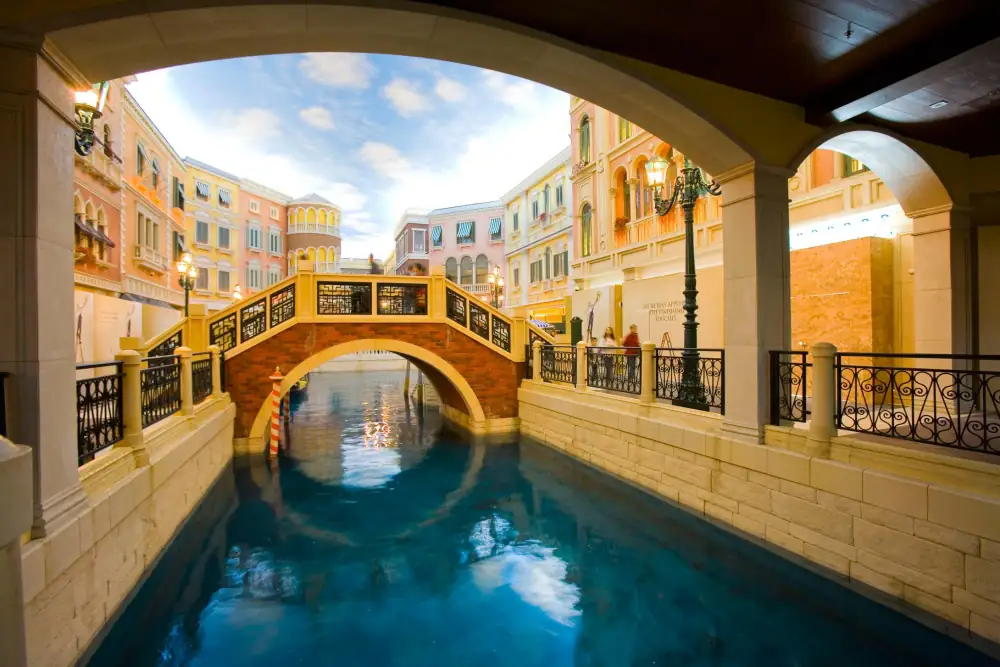
Most people know Macau for the casinos — the Cotai Strip has become one of the world’s densest concentrations of gaming floors and luxury hotels. But the other Macau — the old city, a UNESCO World Heritage Site, with cobblestone streets and pastel-coloured Portuguese colonial buildings next to incense-thick Chinese temples — is where the genuinely interesting part of a visit happens.
The Historic Centre of Macao was inscribed as a UNESCO World Heritage Site in 2005 as “a unique testimony to the meeting of aesthetic, cultural, architectural and technological influences from East and West.” That’s accurate and for once not the usual UNESCO hyperbole.
Table of contents
Open Table of contents
The UNESCO Heritage Trail
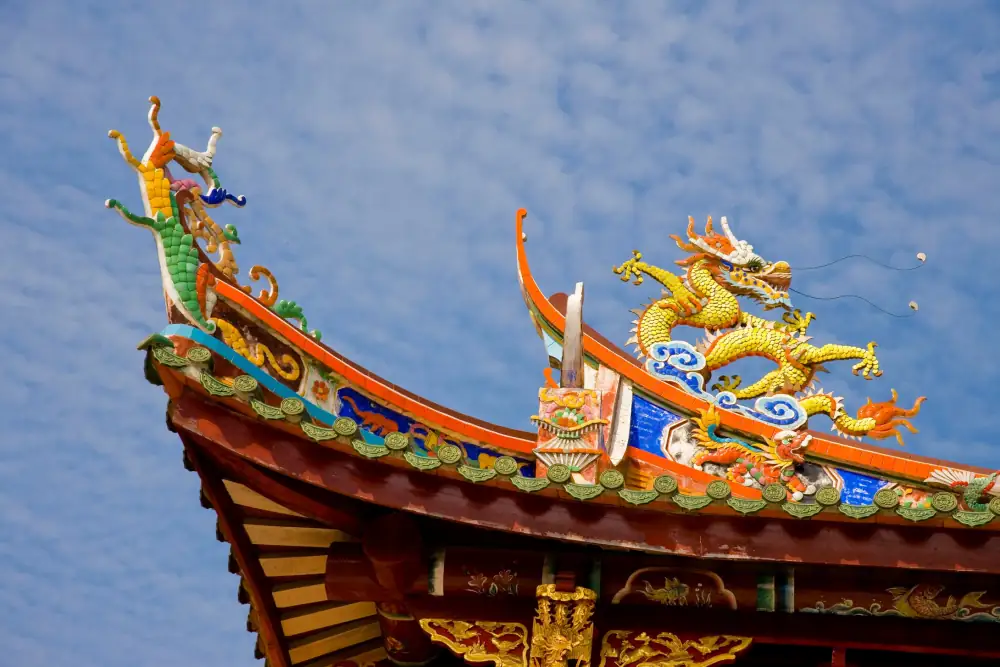
The official trail connects 22 historic buildings and 8 public squares over about 4km of walking. You can do it in 3 hours at pace, or spread over a full day with more attention.
Ruins of St Paul’s (大三巴牌坊)
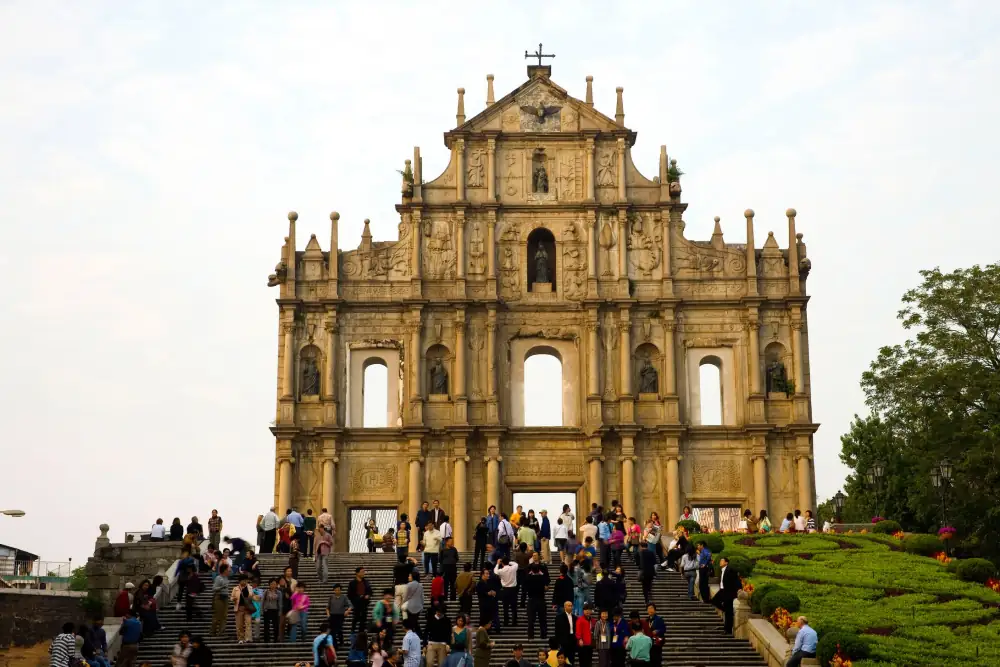
The most photographed sight in Macau — the baroque stone facade of the Church of St Paul, all that survived after a fire in 1835. The facade stands alone, a hollow front with nothing behind it except the sky. This contrast between the elaborate carved stone front and the empty space is strikingly beautiful, particularly in the morning before the crowds arrive.
The carvings repay close attention: scenes from the New Testament alongside Chinese and Japanese Christian imagery, symbols mixing Portuguese Catholic and East Asian traditions in a way that reflects Macau’s singular history.
Behind the facade: The Archaeological Museum of Macau is in the crypt beneath the ruins. Small but interesting.
Senado Square (亚婆井前地 / 议事亭前地)
The central public square, with Portuguese wave-patterned cobblestones and colonial buildings in the butter-yellow and pale blue that characterises the Macanese palette. The Leal Senado (Loyal Senate) building at the north end, the General Post Office on one side — the civic architecture is coherent and well-preserved.
Pastéis de nata (egg tarts): Macanese egg tarts have a cult following. They’re not the same as Portuguese originals — the Macanese version has a lighter pastry and less sweet custard. Lord Stow’s Bakery in Coloane is the most famous source; closer to Senado Square, Margaret’s Café e Nata has excellent versions. Buy while warm.
A-Ma Temple (媽閣廟)
One of the oldest temples in Macau, dedicated to the sea goddess Mazu (the name “Macau” likely derives from “Ma Kok” — the rocky promontory where this temple stands). The temple complex is built into a rocky hillside, with different halls at different levels connected by narrow stone paths. Active worship — incense and offerings are continuous.
The combination of this 15th-century Chinese temple with the 16th-century Portuguese buildings visible nearby is the closest physical embodiment of Macau’s unique cultural fusion.
Guia Fortress & Lighthouse (東望洋炮台及燈塔)
The highest point on the Macau Peninsula, with a 17th-century fortress, the Chapel of Our Lady of Guia, and the oldest lighthouse on the China coast (operational since 1865). The views of the city and harbor from the fort walls are the best elevated views on the peninsula.
Access by cable car from the Jardim Militar (¥2) or by foot up the hill.
Lou Kau Mansion (盧家大屋)
A 19th-century Cantonese merchant mansion now restored as a heritage museum. The architecture blends traditional Cantonese domestic design with Portuguese and art nouveau elements — a small but fascinating example of the Macanese synthesis.
Free entry.
Beyond the Trail
Taipa Village: A short taxi or bus ride from the Peninsula, Taipa Village is a smaller, quieter version of the Macau heritage experience. The Taipa Houses Museum is a row of five restored colonial villas with period interiors. The food street has excellent Macanese cuisine.
Coloane Village: Even quieter, on the southern island. The walk to Seac Pai Van park, the Coloane beach areas, and the village square (where Lord Stow’s original bakery is located) make it worth the additional journey.
Macanese Food
Macanese cuisine is the fusion of Portuguese cooking traditions with Chinese, Malay, and Indian ingredients that developed over 400 years of Macau’s history as a trading port.
Minchi (免治): The unofficial national dish — minced meat (pork or beef) fried with potatoes, soy sauce, and fried egg on top. Comfort food of the highest order.
African chicken (非洲鸡): Chicken in a sauce incorporating piri-piri, coconut, and spices from Mozambique (a Portuguese colony that had connections to Macau). Richer and spicier than it sounds.
Caldo verde: The Portuguese potato and kale soup. Several restaurants serve it with Macanese twists.
Pork chop bun (猪扒包): A Portuguese bread roll with a thin-cut fried pork chop. Sold at Margaret’s and several other cafés. The reason for the queues.
Practical Information
Getting to Macau from Hong Kong: Ferry from Tsim Sha Tsui Ferry Terminal or Macau Ferry Terminal on Hong Kong Island (45–60 minutes, HK$170–200), or the Guangzhou-Shenzhen-Macau rail connection via Hengqin island.
Getting there from mainland China: Bus or ferry from Zhuhai (adjacent to Macau) — simplest for travellers on the mainland side.
Entry: Macau is a Special Administrative Region with its own borders. Passport required for entry. Most nationalities get 30–90 days on arrival without a visa. No Chinese visa required — Macau has separate border control from mainland China.
Pataca: The Macau currency is the Pataca (MOP), roughly equal to HKD. Hong Kong dollars are accepted almost everywhere. Mainland RMB is widely accepted but not always at good rates.
Getting around: The historic areas are compact and walkable. For Cotai Strip, Taipa, and Coloane, casino shuttle buses run continuously from the ferry terminals for free.
Best time to visit: October–March for comfortable weather. Avoid Chinese New Year and Golden Week for crowds.