
The Jiangnan (江南, “South of the Yangtze”) region — encompassing Shanghai, Zhejiang, and southern Jiangsu provinces — is threaded with ancient canal towns. Built along waterways that historically formed the region’s transport network, these towns preserve Ming and Qing Dynasty canal architecture: stone bridges, whitewashed walls, grey-tile roofs, and gondola-like boats pushing through narrow waterways. Each town has a distinct character; knowing which to visit and when to go makes the difference between an overcrowded tourist experience and one of China’s most atmospheric destinations.
Table of contents
Open Table of contents
The Five Major Water Towns: Comparison
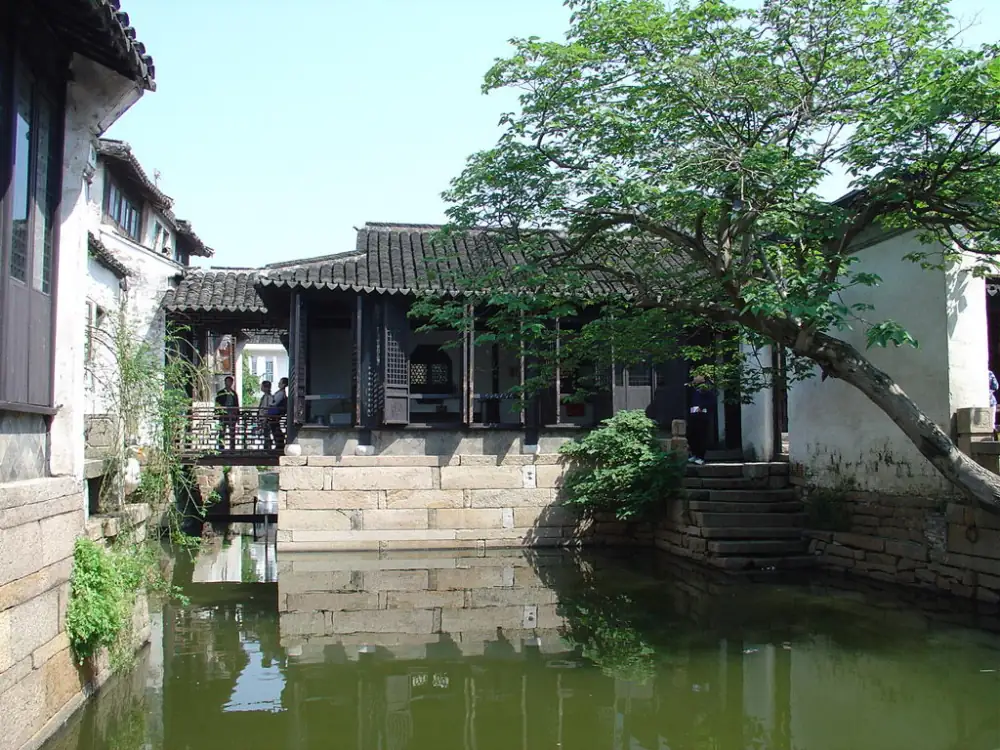
Quick Overview
| Town | Distance from Shanghai | Crowd Level | Entrance Fee | Best For |
|---|---|---|---|---|
| Wuzhen | 140km (2h) | Very high | ¥150–¥190 | Night atmosphere, overall completeness |
| Xitang | 90km (1.5h) | High | ¥100 | Old lanes, street food, Mission Impossible |
| Tongli | 80km (1.5h) | Moderate | ¥100–¥130 | Classical gardens, quieter canal experience |
| Zhouzhuang | 60km (1h) | High | ¥100 | The “original”; double bridges |
| Nanxun | 130km (2h) | Low-Moderate | ¥60–¥80 | East-West architecture blend, less crowded |
One notable town missing from this list is Zhujiajiao water town, which sits inside Shanghai’s own Qingpu District — just 40km from the Bund and reachable by direct bus or Metro Line 17 in about an hour. It’s free to enter and by far the easiest canal town to visit from Shanghai, making it the default choice when time is short.
Wuzhen (乌镇): The Best Night Experience
Location: Tongxiang, Zhejiang Province; 140km from Shanghai, 80km from Hangzhou.
Wuzhen is the most developed and most visited of the Jiangnan water towns — a former silk-producing town that has been preserved and managed as an integrated heritage tourism zone. It’s divided into two sections: Xizha (西栅) (West Precinct, the better and more expensive section) and Dongzha (东栅) (East Precinct, older-feeling, smaller).
Why visit Xizha (West Precinct)
- Night atmosphere: when most day-trippers leave after 5pm, Xizha transforms. Red lanterns illuminate the canal-side facades; gondola boats paddle through the dark water under stone bridges; small wine bars and teahouses open onto the waterways. It’s one of China’s most photographed night landscapes — and genuinely beautiful.
- Stay overnight: the only way to see the night atmosphere is to stay within Xizha. Guesthouses inside the ticketed zone range from ¥300–¥1,200/night. Basic rooms within historic buildings are ¥300–¥450; upscale canal-front rooms are considerably more.
- World Internet Conference: Wuzhen has hosted the annual World Internet Conference since 2014, which has brought significant investment in infrastructure.
Entrance: Xizha ¥150 (daytime), ¥120 (evening after 5pm). Dongzha: ¥100. Combination tickets available.
Xitang (西塘): Street Food and Old Lane Atmosphere
Location: Jiashan, Zhejiang Province; 90km from Shanghai, 80km from Hangzhou.
Xitang is famous for its covered walkways (廊棚, láng péng) — continuous roofed corridors running along the canals, under which locals and visitors walk regardless of weather. The town has more preserved everyday street life than Wuzhen; the food stalls and small restaurants feel genuinely local.
Featured in Mission Impossible III (2006) — filming locations are marked throughout the town.
Best food in Xitang
- Eight Treasures Pickles (八宝糟): pork cooked with glutinous rice and spices; a local speciality
- Soy sauce braised pork (咸肉): the cured and braised pork common throughout Jiangnan towns
- Shengye rice wine (胜业米酒): amber, slightly sweet, low-alcohol rice wine sold from small barrels at street stalls
Entrance: ¥100 (includes boat ride). Overnight stays available inside the ticketed zone.
Tongli (同里): Gardens and Quiet Canals
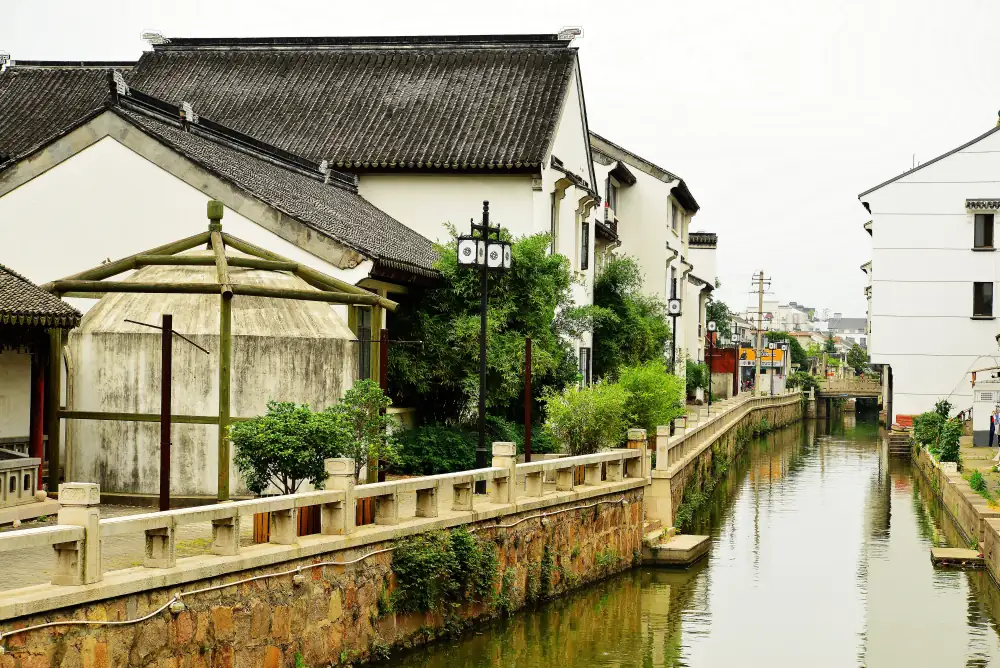
Location: Suzhou municipality, Jiangsu Province; 20km south of Suzhou, 80km from Shanghai.
Tongli feels more organic than Wuzhen — less carefully managed for tourism, with residents still living within the historic area alongside tourists. The town has three UNESCO-listed classical gardens (Tuisi Garden, 退思园, is the most important) and a good network of canal walks.
Tuisi Garden (退思园)
A compact but exquisitely designed Qing Dynasty garden (1887), inscribed on the UNESCO World Heritage list as part of the Classical Gardens of Suzhou. Smaller than the Suzhou city gardens but easier to appreciate — the design is centred on a reflective pool with pavilions arranged around it.
Walking the canals
Five rivers intersect in Tongli, creating a network of small canal bridges. The Sihai Bridge (四海桥), Jili Bridge (吉利桥), and Taiping Bridge (太平桥) — three bridges in close proximity — are a traditional landmark; passing under all three is said to bring good fortune.
Entrance: ¥100–¥130 (includes major gardens and historic sites within town). Ferry from Suzhou Shantang Street area: scenic option (1.5 hours on canal boat).
Zhouzhuang (周庄): The Original Canal Town
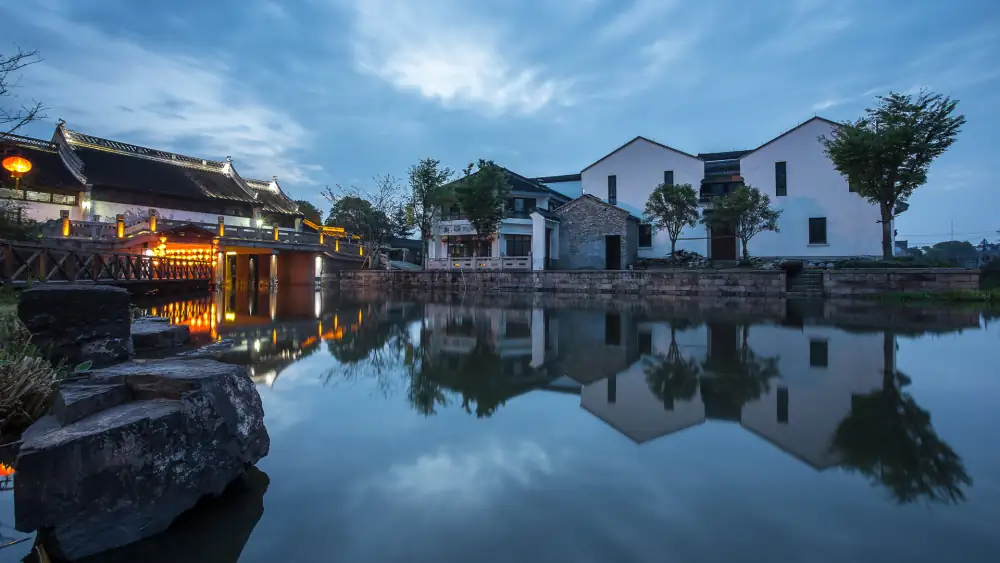
Location: Kunshan, Jiangsu Province; 60km from Shanghai, 55km from Suzhou.
Zhouzhuang was the first Jiangnan water town to open for tourism (1980s) and remains the most famous internationally. The iconic Fuan Bridge and Shuangqiao (双桥) double bridge — two stone arch bridges forming an almost perfect cross when viewed from the canal — has appeared on Chinese stamps and is the region’s most recognisable image.
Current assessment: Zhouzhuang has the most developed tourist infrastructure but also the most intense commercialisation. The old canal area is beautiful; the surrounding approach streets are entirely souvenir shops. Worth visiting if combining with Tongji (they’re nearby) but not as the sole destination.
Entrance: ¥100 (includes boat ride and main historic sites).
Nanxun (南浔): Hidden Gem and East-West Architecture
Location: Huzhou, Zhejiang Province; 130km from Shanghai, 70km from Hangzhou.
Nanxun was a major silk trade centre in the late Qing and Republican eras, and this history left an extraordinary architectural legacy: wealthy silk merchants who traded with Europe and America built mansions combining Chinese and Western elements. The result is unlike any other Jiangnan town — Italian Renaissance windows next to Qing-style courtyards; Victorian ironwork on Chinese stone gates.
Unique highlights
Little Lotus Villa (小莲庄): a private garden with 100-year-old lotus pond, built by the silk merchant Liu Yong. The combination of Chinese garden artistry and a formal European-style enclosure wall with cast-iron gates is unique.
Jiaye Library (嘉业堂藏书楼): One of the largest private libraries in 20th-century China, built in 1920 to house 60,000 volumes. The architecture is extraordinary — Chinese pavilions in a classical garden with Italian Renaissance arches.
Baijian Lou (百间楼): A 400-metre row of white-walled residences built along the canal, with carved stone bridges — considered the most intact and atmospheric canal-side streetscape of all the Jiangnan towns.
Entrance: ¥60–¥80 (includes all major sites). Nanxun is significantly less crowded than other water towns; recommended for independent travellers who prefer atmosphere to tourist facilities.
Practical Guide for All Towns
When to visit
April–May: best weather; canals are high with spring water; flowers in bloom September–October: clear skies; golden autumn colours Avoid: Golden Week (October 1–7) and Spring Festival when crowds are extreme. Also avoid summer (July–August) for heat and humidity.
Weekday vs weekend
Weekday visits are dramatically different from weekend visits. A Thursday visit to any of these towns has perhaps 20% of Saturday’s crowds — completely different atmospheres.
Transport from Shanghai
Most water towns are reachable by long-distance bus from Shanghai’s South Bus Terminal (汽车南站) or direct shuttle services. Options vary by season; check current schedules on Ctrip or at bus station.
Tongli and Zhouzhuang: also accessible from Suzhou by bus, making a combined Suzhou-water town day trip practical.
Last updated: May 2026 · Entrance fees subject to change. Nanxun and Tongli are best for independent travellers; Wuzhen’s Xizha requires advance booking for overnight stays in peak seasons.